How Much Sunlight Do Blushing Bromeliad Need?
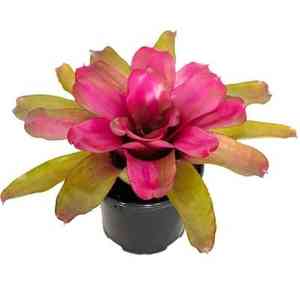
1
Blushing Bromeliads flourish optimally with approximately 3-6 hours of filtered sunlight daily.
2
Employing translucent drapes can aid in preventing foliage scorching from direct sun exposure.
3
Positioning your Blushing Bromeliad close to a west or east-facing window maximizes its light intake.
Optimal Illumination for Blushing Bromeliads
Indirect Solar Exposure
A crucial element for a thriving Blushing Bromeliad is providing it with indirect sunlight. These plants originated in the dim undergrowth of tropical forests, so they are accustomed to light diffused by the forest canopy. Excessive direct sun can burn their leaves, whereas indirect light promotes vigorous growth and healthy foliage.
Filtered Illumination
Filtered light is perfect for Blushing Bromeliads as it mimics their native environmental conditions. You can achieve filtered light by positioning the plant near a window outfitted with sheer drapes. This arrangement disperses the sunlight, lessening its intensity and preventing potential harm to the bromeliadâs leaves. Remember, the aim is to replicate a dappled light setting, akin to the plant's tropical origins.
Avoiding Direct Solar Rays
Direct sunlight can be harmful to Blushing Bromeliads. It's vital to refrain from placing these plants in locations where they are exposed to harsh, midday sun. The strength of direct rays can cause leaf scorching, identified by brown, brittle edges, and a dull appearance to the foliage. Preserve your plant's vibrant look by keeping it out of direct sunlight.
Can Blushing Bromeliads Endure Low Light Conditions?
Adaptability to Various Light Levels
Blushing Bromeliads are remarkably flexible and can withstand a range of light conditions. They can survive in dimmer light environments, though this might impact the plantâs overall vibrancy and growth rate. The key is gradual acclimation; sudden shifts in light can stress the plant. Transition them slowly to prevent shock.
Indicators of Insufficient Light
Signs that your Blushing Bromeliad is not receiving adequate light include weakened foliage, diminished coloration, and slow development. The plant may appear less vivid and its leaves might become overly green, signaling a need for more light. To revitalize your plant, gradually move it to a brighter spot and observe its reaction.
Prime Indoor Placements for Blushing Bromeliads
Near East or West-facing Fenestrations
The best indoor spots for a Blushing Bromeliad are close to east or west-facing windows. These windows offer ample light that is more moderate compared to the intense midday sun from south-facing windows. East-facing windows provide gentle morning light, while west-facing windows offer milder afternoon sun, both of which are beneficial for the plantâs well-being.
Utilizing Sheer Draperies for Light Diffusion
Employing sheer curtains is an excellent method to filter light for your Blushing Bromeliad. The curtains act as a barrier, softening intense light and distributing it uniformly across the plant. This prevents direct sunburn and simulates the dappled light effect. Ensure the curtains are lightweight and semi-transparent for optimal light dispersion.
Outdoor Sun Exposure Advice for Blushing Bromeliads
Shaded Exterior Zones
When relocating your Blushing Bromeliad outdoors, position it in shaded areas where it's protected from direct sun. Locations beneath large trees or covered patios are ideal spots. The natural filtered sunlight from these environments ensures the plant receives sufficient light without the risk of sun damage.
Creating Artificial Shading
If natural shade is unavailable, construct artificial shade using garden fabric or shade cloths. These materials offer versatility in managing light exposure. A cloth with a 30-50% shade factor provides a suitable balance by filtering out excessive light while allowing adequate sunlight to reach the plant.
Consequences of Excessive or Insufficient Sun for Blushing Bromeliads
Symptoms of Solar Damage
Sunburn on Blushing Bromeliads appears as brown, scorched patches on the leaves. The foliage might become crisp and brittle, losing its lush texture. To prevent sunburn, always place your bromeliad in a location with indirect or filtered light and monitor its exposure, especially during peak sunlight hours.
Identifying Light Deficiency
Light deprivation often leads to pale, elongated leaves and stunted growth. If your Blushing Bromeliad looks dull and leggy, it's typically a sign it requires more light. Increasing its exposure to indirect sunlight can restore its health. Adjust the light gradually to avoid shocking the plant.
Balancing Light for Optimal Development
Achieving the correct equilibrium between too much and too little light is crucial for healthy growth. A Blushing Bromeliad thrives with approximately 3-6 hours of indirect sunlight daily. Regularly observe your plantâs reaction to light adjustments, adapting its position as needed to maintain ideal growth conditions.



