How to Prune Blushing Bromeliad?
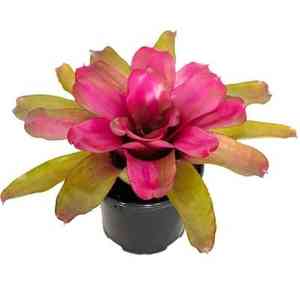
This epiphytic, tropical specimen is distinguished by its vivid leaves that arrange into a central rosette. For blushing Bromeliad, trim away any deceased or decaying foliage at the base, eliminating faded flower stalks to stimulate fresh development. The most suitable time for this trimming is from late winter to early spring, aligning with the plant's vigorous growth phase. This maintenance not only preserves the blushing Bromeliad's visual attractiveness but also fosters vigorous, sturdy growth by enhancing light exposure and air movement throughout the plant.
What Are the Benefits of Pruning Blushing Bromeliad?
What Are the Benefits of Pruning Blushing Bromeliad?
Trimming blushing Bromeliad promotes robust development by redirecting energy to new shoots and preserving its compact shape. This practice fosters a lush, appealing look and prevents legginess, optimizing the plant's overall vitality and visual charm.
What Is the Best Time for Pruning Blushing Bromeliad?
What Is the Best Time for Pruning Blushing Bromeliad?
Pruning blushing Bromeliad in late winter or early spring is optimal as these periods align with the end of dormancy and the start of a new growth cycle. This timing allows the plant to recover from trimming and encourages vigorous new growth as temperatures rise. Avoiding pruning during flowering preserves the plant's aesthetic appeal and reproductive capacity. Trimming when blushing Bromeliad is not actively growing, such as late autumn or mid-winter, could harm the plant and hinder its development. Late winter and early spring pruning prepares blushing Bromeliad for the upcoming growing season, ensuring it stays healthy, maintains an attractive form, and improves air circulation within its foliage.
What Tools Do I Need to Prune Blushing Bromeliad?
Sharp, clean scissors
Perfect for making precise cuts to remove dead or yellowed leaves from blushing Bromeliad, minimizing harm to the plant's tissue.
Tweezers
Useful for gently extracting small dead or dying leaves from the tight core of blushing Bromeliad, allowing for detailed care without risking damage to the plant's delicate structure.
Gloves
Protect hands from blushing Bromeliad's sometimes sharp edges, and prevent the transfer of oils or dirt from the gardener's hands to the plant.
Isopropyl alcohol
For sanitizing pruning tools before and after use on blushing Bromeliad to prevent the spread of pests or diseases.
How to Prune Blushing Bromeliad
Clean Tools
Sanitize pruning tools before starting to prevent disease transmission to blushing Bromeliad. Use a solution of one part bleach to nine parts water or rubbing alcohol.
Trim Diseased Leaves
Identify and remove any diseased leaves from blushing Bromeliad by cutting at the leaf's base, where it connects to the main plant. Ensure cuts are clean and do not tear the plant's tissue.
Trim Withered Leaves
Locate withered or dead leaves on blushing Bromeliad. Using your disinfected tools, trim these leaves at their point of emergence from the parent plant, taking care to avoid damaging healthy parts.
Dispose
Properly discard all removed material away from healthy blushing Bromeliad plants or other houseplants to prevent any potential spread of pests or diseases.
Clean Up
After pruning, clean your workspace, and wash the tools again with the disinfecting solution. This helps maintain a healthy environment for blushing Bromeliad.
Common Pruning Mistakes with Blushing Bromeliad
Over-Pruning
Removing excessive foliage from blushing Bromeliad, which can stress the plant and hinder its natural growth and flowering cycles.
Cutting Healthy Leaves
Trimming or removing healthy leaves that are crucial for photosynthesis and the overall health and appearance of blushing Bromeliad.
Pruning The Flower Spike Too Early
Cutting off the flower spike before it has finished blooming can prevent blushing Bromeliad from producing offsets, also known as 'pups'.
Inadequate Tool Sanitation
Using unsanitized tools can introduce pathogens to blushing Bromeliad, leading to potential infections and diseases.
Tearing Leaves
Improper pruning techniques, such as tearing leaves, can damage blushing Bromeliad and create open wounds that may invite pests or diseases.
Ignoring Dead Or Damaged Foliage
Failing to regularly remove dead or damaged foliage can hinder the growth of blushing Bromeliad and can also be aesthetically unpleasing.
Common Pruning Tips for Blushing Bromeliad
Use Sharp Tools
Utilize clean, sharp pruning shears or scissors to make precise cuts without damaging blushing Bromeliad's leaves.
Remove Only Dead Or Dying Leaves
Prune only the leaves that are brown, dead, or dying to maintain the health and appearance of blushing Bromeliad.
Wait For Flowering To Complete
Allow the flower spike to die back naturally before pruning to ensure blushing Bromeliad can produce pups.
Support The Pups
Encourage the growth of pups by cutting away the parent plant only after the offspring are sufficiently established.
Take Care With The Central Tank
Avoid damaging the central water tank where blushing Bromeliad collects water, which is essential for its survival and flowering.
Prune With Care
Prune carefully, avoiding unnecessary harm to the plant structure that could stress or damage blushing Bromeliad.
Dispose Of Debris
After pruning, clear away the removed plant matter to reduce the chance of pest infestation and keep the growing area clean.



