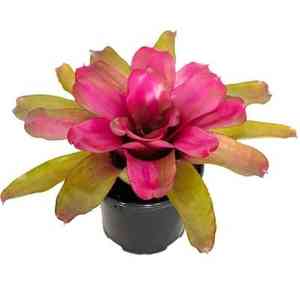
Blushing Bromeliad (Neoregelia carolinae)
Also known as: Blushing Bromeliad, Marbled Bromeliad
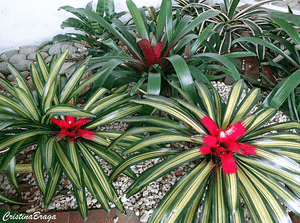
Blushing Bromeliad (Neoregelia carolinae) is a plant species native and endemic to Brazil. Blushing Bromeliad has a center that turns red before the plant is about to blossom. Blushing Bromeliad is named for this blooming color change. This species is often cultivated for ornamental purposes.
In This Article
Attributes of Blushing Bromeliad
Lifespan
Perennial, Annual
Plant Type
Herb
Plant Height
30 cm to 46 cm
Spread
30 cm to 45 cm
Leaf Color
Green Yellow Red Pink Cream Variegated
Flower Size
2.5 cm
Flower Color
Purple White
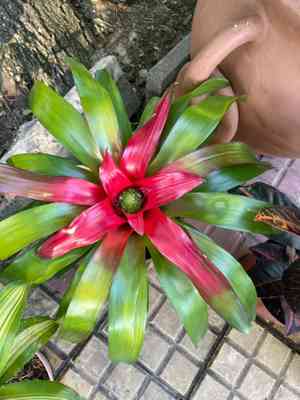
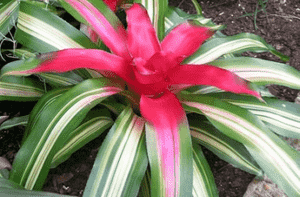
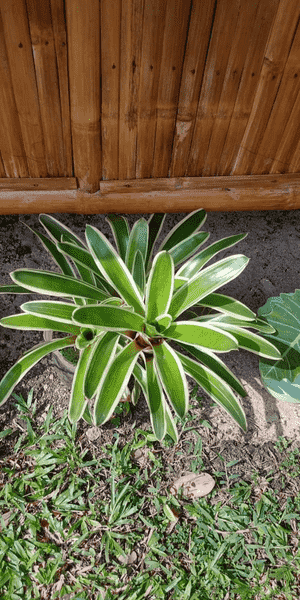
Images of Blushing Bromeliad
Quickly Identify Blushing Bromeliad
1
Identify Neoregelia carolinae by its rosette of broad, flat leaves which often turn red or pink in the center. These plants typically do not have tall flower spikes; instead, flowers are embedded in the central cup formed by the leaf rosette.
Scientific Classification of Blushing Bromeliad
Phylum
Vascular plants
Class
Monocotyledons
Order
Poales
Family
Bromeliad
Genus
Neoregelia
Species
Blushing Bromeliad
Planting and Growing of Blushing Bromeliad
Care Difficulty
Easy
Watering Schedule
Every 2 days
Sunlight Requirements
Partial sun
Sunshine Duration
6-10 hours
Ideal Temperature
70-85℉
Soil Type
Potting Mix, Peat Mix
Soil pH
5.5-6.5
Fertilizer Type
Balanced
Pruning Season
Spring, Summer
Pruning Area
Branches, Leaves
Pruning Frequency
2 times a year
Repotting Season
Spring
Pot Type
Plastic, Terracotta
 How to Water Blushing Bromeliad?
The Neoregelia carolinae, commonly known as the Bromeliad, thrives in a humid environment. Watering should be done to the level of 150ml each time, ensuring that the water directly reaches its central tank, this is where they store water. Never let the plant sit in water as it could lead to root rot. During the warmer seasons, it's advisable to mist the leaves to increase humidity.
More About Watering Techniques→
What are the symptoms of an underwatered Blushing Bromeliad?
›
What should I do if my Blushing Bromeliad is not getting enough water?
›
What are the symptoms of an overwatered Blushing Bromeliad?
›
How to save an overwatered Blushing Bromeliad?
›
 What Are the Sunlight Requirements for Blushing Bromeliad?
Ideal light range for Neoregelia carolinae is beleived to be partial sun exposure over 3-4 hours a day. This can encourage it to bloom and helps to maintian its rich leaf colors.
More About Sunlight Requirements Techniques→
 What Is the Ideal Temperature Range for Blushing Bromeliad?
The ideal growth temperature for Neoregelia carolinae falls between 70 and 85 degrees Fahrenheit. This tropical plant thrives in a warmer environment and showers growth when placed under such conditions.
 What Soil is Best for Blushing Bromeliad?
Neoregelia carolinae prefers a well-drained soil to prevent water logging conditions. The roots of this plant are susceptible to rot, therefore a soil that allows the excess water to filter out will significantly promote its health and longevity. The ideal soil for this plant should be mildly acidic. Acidic soil has higher levels of solubilized nutrients which will cater to the nutritional demands of Neoregelia carolinae and enable its optimal growth. Soils rich in organic matter are particularly beneficial for Neoregelia carolinae. Such soils support the plant's growth by providing essential nutrients, improving soil structure, and enhancing the soil’s capacity to retain water and nutrients.
More About Soil→
 How to Fertilize Blushing Bromeliad?
For Neoregelia carolinae, a balanced liquid fertilizer diluted to 1/4 strength is optimal. Applying it once every two weeks is ideal during the growing season. One or two tablespoons per application will suffice.
More About Fertilizing Techniques→
 How to Prune Blushing Bromeliad?
Identify the oldest leaves at the base of the plant, these will be the first to go. 2. Using a sharp and sterilized pair of scissors or pruning shears, cut these leaves as close as possible to the main stem. 3. Be gentle while doing this to not harm the main stem. 4. After step 3, look for any leaves that might be diseased or pest-infested. If detected, remove these leaves immediately. 5. Once in a while, trim the tips of the remaining healthy leaves to encourage branching and new growth. 6. Always clean your implement after finishing your pruning session to prevent the spread of diseases.
More About Pruning Techniques→
 How to Propagate Blushing Bromeliad plant?
1
Clean the knife before preparing for division. Cut the mother plant into several pieces, each containing roots and leaves. Make sure to make clean cuts to avoid infections.
2
Spread the seeds evenly over the surface of the seed tray filled with fresh potting mix. Do not push the seeds too deep into the mix since these seeds require light to germinate.
3
Keep the divided plants or seeds in a shaded area and make sure they are well-watered. Transplant them to individual pots when the plants or seedlings are big enough to handle.
 How to Repot Blushing Bromeliad plant?
1
Neoregelia carolinae often need repotting when they have outgrown their pots or the soil has degraded. You can tell that it's time to repot when you see roots emerging from the drainage holes or the growth appears to be slow.
2
Choose a pot that is just slightly larger than the previous one, as a pot that's too big can hold too much water and cause root rot. A pot with good drainage holes is essential, it helps to prevent waterlogging and promotes healthy root growth.
3
Neoregelia carolinae grows best in an acidic, well-draining soil. You can use a mix of peat moss, perlite, and a bit of bark. This mixture provides both good drainage and adequate nutrients, encouraging robust and healthy growth.



