Optimal Fertilizer for Growing Blushing Bromeliad: What You Need to Know
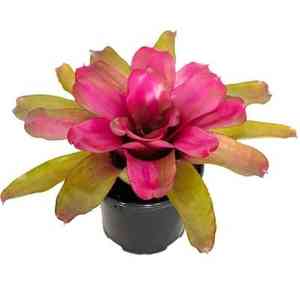
1
The Blushing Bromeliad flourishes with a 10-10-10 balanced plant food given during its active growth period.
2
Signs of insufficient nutrients in Blushing Bromeliads involve foliage turning yellow and inhibited development.
3
Nourish your Blushing Bromeliad every 4-6 weeks throughout the summer for optimal outcomes.
Blushing Bromeliad Nutritional Requirements
Key Nutrients for Blushing Bromeliad
Like all flora, the Blushing Bromeliad needs three main nutrients to thrive: nitrogen (N), phosphorus (P), and potassium (K). Nitrogen is vital for leaf development and maintaining its vivid green hue. Phosphorus aids root growth and flowering, while potassium strengthens the plant's overall structure and disease resistance. A balanced fertilizer with equal parts of these nutrients (often labeled 10-10-10) is perfect for ensuring your Blushing Bromeliad receives all necessary elements.
Indicators of Nutrient Deficiency in Blushing Bromeliad
Nutrient deficiencies in Blushing Bromeliads can show up in various ways. Watch for yellowing foliage, which might signal a lack of nitrogen. A phosphorus shortage can lead to poor root formation and dull blooms, while potassium deficiency often appears as brown tips and edges on leaves. If you observe any of these signs, it's crucial to modify your fertilization schedule accordingly.
Selecting the Appropriate Fertilizer for Blushing Bromeliad
Fertilizer Types Suitable for Blushing Bromeliad
When choosing a fertilizer for your Blushing Bromeliad, opt for a balanced formula like 10-10-10 or a specialized bromeliad fertilizer. Granular fertilizers are excellent for slow-release feeding, while liquid fertilizers provide a quick nutrient boost. It's essential to dilute liquid fertilizers to half the recommended strength to prevent over-fertilization, which can harm the plant.
Organic Versus Synthetic Fertilizers
Both organic and synthetic fertilizers can be effective for Blushing Bromeliads, but each has advantages and disadvantages. Organic fertilizers, such as compost or fish emulsion, offer a steady release of nutrients and enhance soil health. However, their results might be slower to appear. Synthetic fertilizers, conversely, provide rapid nutrient availability but should be used carefully to avoid chemical accumulation in the soil. Whichever type you select, ensure it meets your bromeliad's nutritional needs.
Fertilization Frequency for Blushing Bromeliad
Fertilizing During the Active Growth Period
The best time to fertilize your Blushing Bromeliad is during summer, its active growth season. During this period, aim to fertilize every 4-6 weeks. This consistent feeding schedule will supply the nutrients needed for healthy growth and vibrant blooms. Always follow the instructions on your chosen fertilizer package to prevent over-fertilization.
Winter Care and Fertilization Requirements
During winter, Blushing Bromeliads enter a dormant phase, meaning they need less frequent fertilization. Over-fertilizing at this time can damage the plant, leading to nutrient burn or other stress. Therefore, it's best to minimize fertilizer use during colder months, only applying a very diluted fertilizer if you notice signs of nutrient deficiency.
Step-by-Step Guide to Fertilizing Blushing Bromeliad
Preparing the Plant and Work Area
Before you start fertilizing, ensure your Blushing Bromeliad is adequately hydrated. Water the plant thoroughly a few days before applying fertilizer so the roots are ready to absorb nutrients. Choose a well-ventilated space to work, and gather all necessary items, including your diluted fertilizer solution, a watering can, and protective gloves.
Application Methods for Optimal Nutrient Uptake
When applying fertilizer, aim to distribute it evenly around the plant's base without direct contact with the leaves, as this can cause burning. For liquid fertilizers, use a watering can to gently pour the solution into the soil. If you're using granular fertilizer, sprinkle it lightly around the base and carefully work it into the topsoil with your fingers or a small tool.
Post-Fertilization Care Advice
After fertilizing, observe your Blushing Bromeliad for any signs of stress or over-fertilization, such as leaf discoloration or wilting. Provide sufficient water to help the plant absorb nutrients and flush out any excess fertilizer from the soil. Regularly check the plant and adjust your care routine as needed to ensure it remains healthy and vibrant.



