How Much Sunlight Do Japanese rose Need?
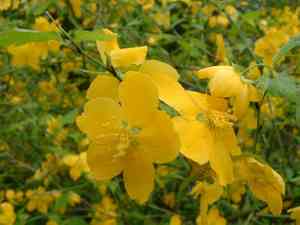
1
Japanese rose flourishes best with partial light exposure, needing approximately 3 to 6 hours of sun each day.
2
This plant can withstand both complete sun and deep shade, yet peak development occurs with moderate sun.
3
Variations in daylight across seasons influence the growth and blooming cycles of the Japanese rose.
What Is the Ideal Sunlight for Japanese rose?
Understanding Light Requirements
The Japanese rose (Kerria japonica) is a adaptable and hardy plant that thrives across various light conditions. Nevertheless, comprehending its light needs is crucial for ensuring peak growth and abundant blossoms. This deciduous shrub prefers partial sun, which means approximately 3-6 hours of direct sunlight daily. Partial sun enables the plant to absorb adequate light for photosynthesis while avoiding the detrimental effects of extended exposure to intense sunlight.
Full Sun Versus Partial Shade
While the Japanese rose can endure full sun (more than 6 hours of direct sunlight) and full shade (no direct sunlight), optimal results are achieved with partial sun. In full sun, the plant might experience leaf scorch or reduced blooming. Conversely, in full shade, it could become leggy and produce fewer flowers. Thus, selecting a spot where the plant receives filtered sunlight or morning sun followed by afternoon shade can create an excellent environment for your Japanese rose.
Seasonal Sunlight Changes
Seasonal shifts significantly impact the sunlight your Japanese rose receives. During spring and summer, with longer daylight hours, the plant benefits from increased light exposure, promoting vigorous growth and plentiful flowers. Conversely, in the fall and winter, diminished sunlight may slow its growth and prompt it to enter a dormant phase. It's vital to adapt your plant care routine according to these seasonal changes to maintain your Japanese rose's health and vibrancy.
How to Ensure Proper Sunlight for Japanese rose Indoors
Choosing the Right Location
Bringing Japanese rose indoors necessitates careful planning to guarantee it receives sufficient sunlight. Position your plant near a south or west-facing window where it can get ample natural illumination. If natural light is limited, consider employing sheer curtains to diffuse strong afternoon sunlight, mimicking the partial sun conditions the plant favors.
Using Grow Lights
In situations where natural light is inadequate, particularly during the darker winter months, grow lights offer an excellent alternative. Select full-spectrum grow lights that emit light wavelengths similar to the sun. Place the grow lights about 12-18 inches (30-45 cm) above the plant and leave them on for 12-16 hours daily to simulate the required light conditions.
Monitoring Light Intensity
Monitoring the light intensity is essential for indoor Japanese rose care. Too much light can lead to leaf burn, while too little light can result in stretched growth and poor flowering. Utilize a light meter to gauge the light intensity or simply observe the plant’s reaction. If the leaves begin to appear pale or yellowish, it might be receiving too much light. Conversely, dark green leaves and slow growth suggest insufficient light.
What Happens if the Japanese rose Gets Too Much or Too Little Sun?
Signs of Excessive Sunlight Exposure
The Japanese rose may display several indicators of excessive sunlight exposure. Look for scorched or brown-tipped leaves, wilting, and stunted development. The plant might also produce fewer blossoms, and the overall foliage could appear faded or bleached.
Symptoms of Insufficient Sunlight
With insufficient sunlight, the Japanese rose may develop elongated stems as it strives towards the light source. Its leaves might become dark green, and the plant could yield fewer or smaller flowers. You might also observe slower development and generally poor health.
Steps to Correct Sunlight Issues
To resolve excessive sunlight issues, relocate the plant to an area with filtered sunlight or provide shade during intense afternoon sun. If the plant isn't getting enough light, move it to a brighter spot or use grow lights to supplement natural light. Regularly adjusting the plant's position based on its light needs will help maintain its health and vibrant appearance.
Common Sunlight Issues with Japanese rose
Dealing with Transplant Shock
Transplant shock can occur when relocating Japanese rose to a new spot with different light conditions. To alleviate this, gradually acclimatize the plant to its new environment over one to two weeks by slowly increasing or decreasing its light exposure. Keeping the soil moist and adding organic mulch can also aid the plant's recovery.
Preventing Sunburn on Leaves
Sunburn can be a frequent problem if the Japanese rose is exposed to excessive direct sunlight. To prevent sunburn, provide afternoon shade or use shade cloth. Regularly inspect the foliage for signs of burning and adjust the plant’s placement accordingly.
Avoiding Leggy Growth
Leggy growth indicates that the Japanese rose is reaching for more illumination. To prevent this, ensure the plant receives balanced, indirect light. Consistently rotate the plant to guarantee even light distribution on all sides, encouraging a more compact and bushy growth habit.



