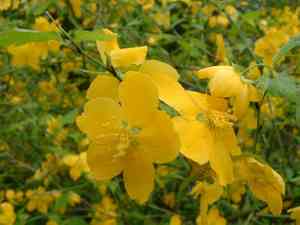
Japanese rose (Kerria japonica)
Also known as: Miracle marigold bush, Bachelor's buttons
Kerria japonica, commonly known as Japanese rose and called yamabuki in Japan, is a plant species that originates from China, Japan, and Korea. Notably, the cultivars 'Golden Guinea' and 'Bachelors Buttons' have been honored with the Royal Horticultural Society's Award of Garden Merit.
In This Article
Attributes of Japanese rose
Lifespan
Perennial
Plant Type
Shrub
Plant Height
1 m to 3 m
Spread
2 m to 3 m
Leaf Color
Green
Flower Size
2.5 cm to 6 cm
Flower Color
Yellow Gold
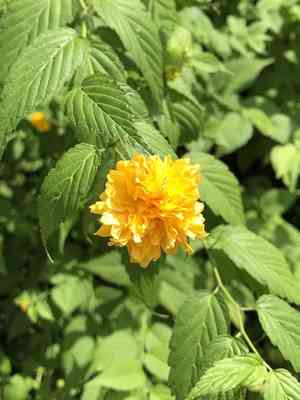
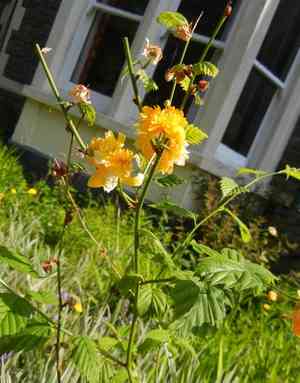
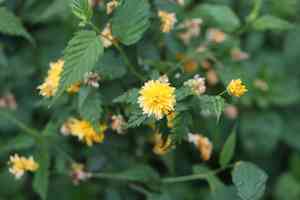
Images of Japanese rose
Quickly Identify Japanese rose
1
Deciduous plant with cane-like growth, reaching 7 feet (213 cm) tall and 9 feet (274 cm) wide.
2
Slender stems with glossy appearance, zig-zag pattern, supporting plicate leaves.
3
Bright yellow terminal flowers, 1-1.5 inches (2.5-3.8 cm) wide, appearing solitary or double-petaled.
4
Alternate, ovate-lanceolate leaves, 1.5-4 inches (4-10 cm) long, with double serrate edges.
5
Stems are green, thin (0.2-0.4 inches / 5-10 mm), and supple yet cane-like in texture.
Scientific Classification of Japanese rose
Phylum
Vascular plants
Class
Dicotyledons
Order
Roses, elms, figs, and allies
Family
Rose
Genus
Kerria
Species
Japanese rose
Planting and Growing of Japanese rose
Care Difficulty
Easy
Watering Schedule
Every 8 days
Sunlight Requirements
Partial sun
Sunshine Duration
6-12 hours
Ideal Temperature
60-75℉
Soil Type
Potting Mix, Peat Mix
Soil pH
6-7.5
Fertilizer Type
Balanced
Pruning Season
Spring, Summer
Pruning Area
Branches, Leaves
Pruning Frequency
2 times a year
Repotting Season
Spring
Pot Type
Plastic, Ceramic
 How to Water Japanese rose?
Kerria japonica appreciates moist but not waterlogged soil. Water it until the soil is evenly moist, ensuring excess water drains out completely to prevent sogginess.
More About Watering Techniques→
What are the symptoms of an underwatered Japanese rose?
›
What should I do if my Japanese rose is not getting enough water?
›
What are the symptoms of an overwatered Japanese rose?
›
How to save an overwatered Japanese rose?
›
 What Are the Sunlight Requirements for Japanese rose?
This plant flourishes with a combination of partial sun and full shade, ideal for developing vibrant blooms and healthy foliage, respecting its natural preferences for dappled sunlight.
More About Sunlight Requirements Techniques→
What is the best location for Kerria japonica?
›
How much light should Kerria japonica receive?
›
What are the benefits of ideal lighting for Kerria japonica?
›
 What Is the Ideal Temperature Range for Japanese rose?
The ideal temperature range for Kerria japonica is between 60°F and 75°F. This range allows the plant to thrive, promoting optimal growth and flowering. It simulates the plant's natural habitat conditions, ensuring healthy metabolism and physiological processes. Maintaining these temperatures helps in avoiding stress, which can lead to diminished growth or flowering.
 What Soil is Best for Japanese rose?
Kerria japonica thrives in well-drained soil. This ensures that excess water doesn't accumulate around the roots, which could lead to root rot. Proper drainage supports healthy root development and vigorous plant growth. A nutrient-rich medium is essential for Kerria japonica. The presence of organic matter improves soil fertility and supplies essential nutrients that enhance flowering and overall plant health. While good drainage is crucial, maintaining consistent soil moisture is equally important. Consistent moisture supports lush foliage and abundant blooms without stressing the plant.
More About Soil→
 How to Fertilize Japanese rose?
Kerria japonica appreciates balanced nutrition. Apply a liquid fertilizer at half strength every two weeks during the growing season. This helps maintain healthy foliage without overwhelming the plant with nutrients.
More About Fertilizing Techniques→
 How to Prune Japanese rose?
Kerria japonica blooms in early spring, and the best time to prune is right after the flowers have faded. This timing allows you to remove spent blossoms without sacrificing next year's flowers. Begin by cutting back any dead or damaged branches to their base. This will promote healthier growth and ensure that the plant focuses its energy on producing flowers rather than sustaining non-viable wood. To encourage new growth, thin out older stems. Remove about one-third of the oldest branches at the ground level. This stimulates the plant to produce fresh, vigorous shoots and enhances blooming. Trim back any overly long or unruly branches to maintain a neat, rounded shape. This is particularly important if your Kerria japonica is part of a defined landscape design.
More About Pruning Techniques→
 How to Propagate Japanese rose plant?
1
Choose healthy, non-flowering stems that are relatively young and vigorous. Avoid overly woody or too soft stems as these may not root well. Cut sections about 6 inches in length just below a node for best results.
2
Strip the cuttings of any lower leaves or side shoots to prevent rot and encourage growth where it’s most needed. Dip the cut end in rooting hormone, tapping off any excess, to aid root development.
3
Plant the prepared cuttings in a pot with a well-draining soil mix. Place the pot in a bright but indirect sunlight location, and maintain consistent moisture in the soil without over-watering.
 How to Repot Japanese rose plant?
1
Kerria japonica signals the need for repotting when you notice roots emerging from drainage holes, slow growth, or the soil retaining water excessively. The best time to repot is in spring, as the plant begins its new growth cycle, which helps it recover quickly from potential root disturbance.
2
Selecting a suitable pot is vital. Choose a pot that's one size larger in diameter than the current one, with excellent drainage holes. The size increment prevents the plant from experiencing shock while offering room for growth, while drainage ensures excess water doesn't linger, which could lead to root rot.
3
Opt for a soil mix that's well-draining and rich in organic matter. A peat-based mix combined with perlite or sand provides an ideal foundation. This combination supports nutrient retention while ensuring water flows freely, preventing the roots from staying too wet and promoting healthy growth.



