How to Prune Japanese rose?
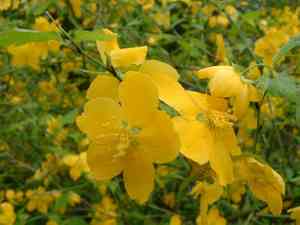
This leafy shrub showcases vibrant yellow blossoms and gracefully curved limbs. For japanese rose, following its blooming period, remove any deceased or aged wood and shorten branches to preserve its structure. The ideal time for pruning is from late spring to early summer, after the flowers have faded, to foster the development of next year's buds. Pruning boosts vitality, prevents excessive density, and upholds a neat shape. Refrain from making cuts late in the season to safeguard emerging buds.
What Are the Benefits of Pruning Japanese Rose?
What Are the Benefits of Pruning Japanese Rose?
Trimming japanese rose promotes more prolific blooming and helps deter pest infestations and illnesses, ensuring a vibrant and appealing display.
What Is the Best Time for Pruning Japanese Rose?
What Is the Best Time for Pruning Japanese Rose?
Trimming japanese rose in late spring or early summer is optimal, occurring after the plant has completed its spring flowering. Pruning at this time allows for shaping the shrub and removing spent blooms, fostering a healthy growth cycle for the subsequent season. It also helps prevent cutting off developing buds, which could diminish flowering the following year. Furthermore, pruning during this period ensures rapid wound healing, reducing the risk of disease or pest issues. Since japanese rose flowers on the previous year's growth, late spring to early summer pruning guarantees that gardeners do not remove the wood that will produce the next year's flowers, aligning with the plant's natural growth and health requirements.
What Tools Do I Need to Prune Japanese Rose?
Hand Pruners
Perfect for snipping thinner stems and twigs of japanese rose, hand pruners offer precision and are easy to handle, crucial for shaping the plant and removing dead or diseased wood without harming healthy canes.
Lopping Shears
For cutting through thicker canes up to 1.5 inches in diameter that hand pruners cannot manage, lopping shears provide the necessary leverage and cutting power, ensuring clean cuts that promote healthy regrowth.
Pruning Saw
If japanese rose has older, woody stems too thick for loppers, a pruning saw is essential to remove them without damaging the plant or the gardener's tools.
Gardening Gloves
Gloves protect the gardener's hands from thorns and rough stems, ensuring safety while handling and trimming japanese rose.
Pruning Sealant
(Optional) While not always necessary, some gardeners opt to use pruning sealant on larger cuts to guard against diseases and pests, though japanese rose typically heals well without it.
How to Prune Japanese Rose
Step1: Post-Flowering Pruning Time
Ensure to trim japanese rose immediately after it flowers, usually in late spring or early summer, to maintain plant health and appearance.
Step2: Pruner Sanitization
Clean and sterilize your pruning shears with a solution of one part bleach to nine parts water to prevent the spread of disease.
Step3: Identifying Dead Stems
Identify dead stems on japanese rose by looking for branches that are brown, brittle, and lack green growth. These can be removed at any time of year.
Step4: Cutting Dead Stems
Make precise cuts to remove dead stems close to the base of the shrub, using clean, sharp pruning shears.
Step5: Removing Diseased Wood
Locate and remove any diseased wood, which may appear discolored, swollen, or show signs of fungal growth.
Step6: Disease Control Cutting
Cut away the diseased wood by making cuts into healthy tissue below the affected area to prevent disease spread.
Step7: Deadheading Faded Flowers
Prune old flowers once they have faded by cutting back the flowered stems to a strong bud or branch below the spent flower to encourage repeat blooming.
Step8: Thinning for Air and Light
Thin out crowded areas by removing some of the older stems at ground level to increase air circulation and light penetration.
Step9: Shaping the Shrub
Shape the shrub by trimming back overgrown branches to maintain a pleasing form, being careful not to over-prune as japanese rose flowers on old wood.
Step10: Disposal of Pruning Debris
Properly dispose of all pruned material, especially diseased wood, to prevent the spread of pests or diseases in your garden.
Step11: Tool Cleaning and Wound Care
After completing pruning, clean tools again and consider applying a wound-sealing compound to large cuts to protect japanese rose from pests and diseases.
Step12: Post-Pruning Plant Care
Water japanese rose deeply and apply mulch at the base to promote healthy growth and recovery from the pruning process.
Post-Pruning Care for Japanese Rose
Post-Pruning Care for Japanese Rose
After trimming japanese rose, water it thoroughly to aid recovery. Maintain partial shade to prevent sunburn on newly exposed areas, and ensure stable ambient humidity and temperature to avoid stress. Apply a balanced fertilizer to support new growth. Check regularly for wilting or discoloration, indicating stress or infection; if observed, adjust care immediately. Proper environmental conditions and timely nutrient management are crucial for japanese rose's health.
Common Pruning Mistakes with Japanese Rose
Over-uniform Pruning Ruins Natural Shape
Trimming all stems of japanese rose uniformly, leading to a loss of the natural arching shape that characterizes this shrub.
Pruning Old Wood May Reduce Blooming
Cutting into very old wood can be a mistake, as japanese rose may not rejuvenate well from old wood and could result in reduced blooming.
Excessive Pruning Stresses Plant
Removing too much of the plant in a single pruning session, which can stress japanese rose and potentially hinder its overall health and flowering capability.
Ignoring Dead Wood Harms Health and Looks
Neglecting to remove dead or diseased wood, which can compromise the health and aesthetic appeal of japanese rose.
Ragged Cuts Attract Pests and Impair Healing
Making ragged cuts or tearing stems, which can invite pests and diseases and may impair the healing process of japanese rose.
Unclean Tools Spread Disease
Failing to clean pruning tools before and after use on japanese rose, risking the spread of diseases between plants.
Common Pruning Tips for Japanese Rose
Selective Pruning Encourages Growth and Shape
After flowering, selectively trim the oldest stems of japanese rose at the base to encourage new growth and maintain a balanced shape.
Thinning Cuts for Better Air and Light
Perform thinning cuts to improve air circulation and light penetration, which are vital for the health and vigor of japanese rose.
Angle Cuts Above Buds for Outward Growth
Make all cuts at a slight angle, just above a healthy bud, to promote the desirable outward growth of new stems.
Preserve Newer Wood for Flowering
Retain the naturally graceful and arching habit of japanese rose by preserving some of the newer wood which contains the flowering buds for the next season.
Promptly Remove Dead or Damaged Branches
Regularly inspect japanese rose for any signs of dead, damaged, or diseased branches, and remove them promptly to maintain the plant's well-being.
Clean, Sharp Tools for Healthy Cuts
Use clean, sharp pruning tools to make clean cuts, minimizing damage to japanese rose's stems and reducing the risk of disease.
Mulching Post-Pruning Aids in Plant Health
Mulch around the base of japanese rose after pruning to provide nutrients, conserve soil moisture, and reduce weed competition.



