Enhancing Your Garden Design with the Japanese rose Plant: A Landscaping Guide
1
The Japanese rose offers continuous aesthetic appeal throughout the year, featuring bright blooms and verdant leaves.
2
Position Japanese rose thoughtfully to achieve an ideal mix of sunlight and shadow for best development.
3
Integrate Japanese rose into diverse garden styles, from classic to contemporary, for adaptable landscape aesthetics.
Introducing Japanese Rose in Landscape Design
A brief look at Japanese rose's aesthetic qualities
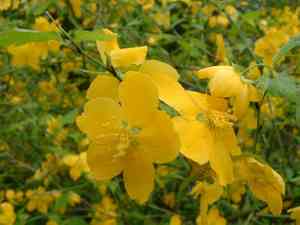
When considering plants to enhance your garden's beauty, Japanese rose stands out with its bright yellow blossoms and delicate green leaves. This shrub, known for its cheerful early spring flowers, adds a burst of color when many other plants are still emerging from winter. Its attractive, arching branches also provide an elegant structure that offers visual appeal throughout the year. Whether used as a focal point or part of a larger planting, Japanese rose brings timeless beauty to any garden setting.
Why Japanese rose is a favored choice for garden settings
Japanese rose has become a favorite among gardeners for several reasons. First, it's relatively easy to cultivate and maintain, making it suitable for both new and experienced gardeners. It's also adaptable, thriving in various soil types and climates. Beyond its stunning flowers, Japanese rose is valued for its ability to form dense, green foliage that can serve as ground cover or a natural border. Additionally, its resistance to common pests and diseases makes it a low-effort option for adding beauty without significant work.
Designing Your Garden with Japanese Rose
Identifying suitable spots for Japanese rose in your garden
Successfully integrating Japanese rose into your garden starts with choosing the right location. It thrives in well-drained soil and can tolerate partial shade, though it will produce more flowers in full sun. Consider placing Japanese rose along paths, borders, or as a centerpiece in flower beds. When evaluating your garden, look for areas that would benefit from a boost of color and structure. Remember that Japanese rose can grow quite large, so ensure it has ample room to develop without crowding other plants.
Achieving optimal sun and shade balance for growth
Japanese rose performs best in spots where it receives at least a few hours of direct sunlight daily. While it can endure partial shade, too much shade can lead to fewer blooms and less vigorous growth. To find the ideal balance, consider planting Japanese rose where it gets morning sun and afternoon shade. This not only promotes healthy development but also shields the plant from intense midday heat, which can stress it and limit its flowering potential.
Plant coordination: Companion plants for Japanese rose
Selecting the right companion plants for Japanese rose can enhance your landscape's overall effect. Plants with contrasting colors, such as purple irises or bluebells, can create striking visual interest. Also, consider pairing Japanese rose with evergreens or shrubs with different foliage textures to add depth and variety to your garden. Ground covers like creeping thyme can complement Japanese rose's arching branches, while taller plants like ornamental grasses can provide a backdrop that highlights its vibrant blooms.
Integrating Japanese Rose into Themed Landscapes
Traditional Japanese garden designs featuring Japanese rose
In traditional Japanese gardens, Japanese rose can evoke a sense of calm and natural beauty. Its delicate flowers and flowing branches mirror the elegance and simplicity central to Japanese garden aesthetics. Planted alongside rocks, water features, and other minimalist elements, Japanese rose can create a serene and harmonious landscape. Consider using it in a Zen garden, where its gentle presence can inspire contemplation and foster a peaceful atmosphere.
Contemporary landscape themes suitable for Japanese rose
For those who prefer modern garden designs, Japanese rose fits seamlessly into contemporary landscapes. Its bright, cheerful flowers can add a pop of color to monochromatic or minimalist settings. In urban gardens, Japanese rose can be used in containers or as part of a green wall to provide natural beauty amidst concrete and metal structures. Its adaptability allows it to be shaped into hedges or formal forms, lending itself to the structured, clean-lined layouts typical of modern designs.
Seasonal Considerations for Japanese Rose
Year-round visual appeal of Japanese rose
Japanese rose is a plant that offers beauty throughout the seasons. In early spring, it bursts into bloom with vibrant yellow flowers, adding a cheerful note to the garden. As the blooms fade, its lush green foliage continues to provide visual appeal. In autumn, the leaves turn a rich, golden hue, adding another layer of color to the landscape. Even in winter, the plant's interesting branch structure can stand out against the snow, providing year-round interest and making it a valuable addition to any garden.
Specific care requirements during different seasons
Caring for Japanese rose involves some seasonal attention to ensure its vitality. In spring, prune dead or damaged branches to encourage healthy new growth. Summer is a good time to shape the plant and remove unwanted shoots. Watering should be monitored during dry spells, though it generally thrives in typical garden conditions. In autumn, a light pruning can help prepare the plant for winter. Mulching in late fall can protect the roots from harsh winter temperatures, ensuring Japanese rose rebounds vigorously in the spring.
Maintenance Tips for Japanese Rose in Landscapes
Routine upkeep practices for garden health
Maintaining Japanese rose in your garden involves regular but simple care routines. Water it deeply during extended dry periods, especially during its first year as it establishes. Fertilize with a balanced, slow-release fertilizer in early spring to support robust growth. Pruning is crucial to maintain its shape and encourage flowering; do this immediately after the bloom season to avoid cutting off next year's buds. Regularly check for and remove any dead or diseased branches to keep the plant healthy and looking its best.
Addressing common issues faced by Japanese rose in landscaping
While Japanese rose is generally resilient, it can occasionally encounter problems like powdery mildew or pests such as aphids. To mitigate these issues, ensure good air circulation by avoiding overcrowding plants and thinning out dense growth. Use organic insecticidal soap to manage pest infestations and avoid overhead watering to reduce the risk of fungal diseases. Proper placement and care can largely prevent these problems, making Japanese rose a dependable and beautiful addition to your garden landscape.



