The Japanese rose Plant Advantage: Maximizing Home and Office Appeal and Wellness
1
Kerria japonica is recognized for its minimal care requirements and resilience.
2
It can improve garden beauty with its bright yellow flowers.
3
Kerria japonica offers ecological advantages, such as drawing in beneficial insects.
What Are the Visual Advantages of Japanese rose?
Brightens Any Setting
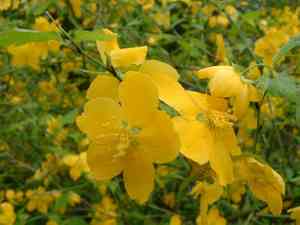
The most notable characteristic of Japanese rose is its vivid yellow blossoms. These flowers can inject a burst of color into any garden, fostering a cheerful and welcoming atmosphere. Whether used as a focal point or within a garden bed, Japanese rose elevates the visual appeal of your outdoor area.
Flexible Design Choices
Japanese rose is incredibly adaptable and can be incorporated into various landscape designs. It can serve as an impressive hedge, an attractive border plant, or even a solitary specimen. Its ability to integrate well with other plants makes it a valuable asset to any garden scheme.
How Does Japanese rose Benefit Your Garden's Ecosystem?
Attracts Pollinators
Japanese rose plays a vital role in drawing pollinators like bees and butterflies to your garden. These insects are crucial for the fertilization of many other plants in your garden, thereby fostering a thriving and productive ecosystem.
Provides Shelter for Beneficial Insects
Japanese rose not only attracts pollinators but also offers a habitat for other advantageous insects. These insects can help manage pest populations in your garden, reducing the need for chemical pesticides and contributing to a more natural and balanced ecosystem.
What Are the Practical Advantages of Cultivating Japanese rose?
Low Upkeep
One of the most appealing aspects of Japanese rose is its minimal maintenance requirements. It is a resilient plant that can flourish in various soil types and conditions, making it an ideal choice for both new and experienced gardeners. Once established, Japanese rose needs little watering and can endure periods of dryness.
Disease Resistance
Japanese rose is known for its immunity to common plant diseases and pests. This hardiness reduces the need for chemical treatments, making Japanese rose an eco-friendly option for gardeners aiming to maintain a healthy garden with minimal intervention.
Can Japanese rose Be Utilized for Erosion Control?
Erosion Prevention
Japanese rose possesses a strong root system that helps stabilize soil, making it an effective plant for preventing erosion. When planted on slopes or areas susceptible to erosion, Japanese rose can help prevent soil displacement and preserve landscape integrity.
Soil Enrichment
In addition to preventing erosion, the roots of Japanese rose can also contribute to soil improvement. As the plant grows and sheds leaves, the organic matter decomposes, returning nutrients to the soil and promoting overall soil health.
How to Properly Care for Japanese rose?
Optimal Planting Conditions
Japanese rose thrives in well-draining soil and prefers a location with full to partial sunlight. When planting Japanese rose, ensure it has ample space to grow and spread, as it can become quite dense over time.
Pruning and Maintenance
To keep Japanese rose looking its best, regular trimming is advised. Cut back any dead or damaged branches and shape the plant to maintain its form. This not only enhances its appearance but also encourages healthy growth and blooming.



