How Much Sunlight Do Andean walnut Need?
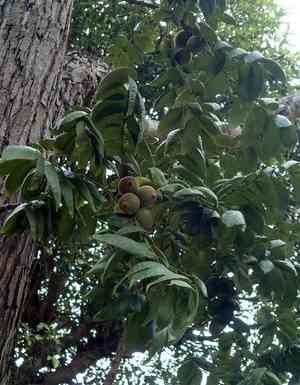
1
Andean walnuts flourish optimally in bright sun, needing more than 6 hours of direct sun exposure each day.
2
Inadequate light can hinder the development of Andean walnut trees, resulting in fragile and elongated branches.
3
Employing grow lights can assist indoor Andean walnut specimens in reaching ideal illumination levels.
Understanding Sunlight Requirements for Andean walnut
Natural Habitat and Light Exposure
The Andean walnut originates from the elevated areas of the Andes mountain range, where it naturally receives ample sunlight. In these native environments, the trees experience full sun conditions, often bathed in direct sunlight for over 6 hours daily. This steady and strong light exposure is vital for their development and growth, enabling them to flourish in their natural setting.
Photosynthesis and Growth Impact
Sunlight is a crucial element for photosynthesis, the process where plants convert light energy into chemical energy to fuel their development. For Andean walnut trees, sufficient sunlight ensures robust photosynthesis, leading to vigorous growth and productivity. Without enough sunlight, these trees might show reduced vitality, slower growth rates, and weakened branches, all of which can affect their overall health and yield.
Signs of Insufficient Light
Recognizing indicators of inadequate light is key to ensuring your Andean walnut's well-being. Symptoms include yellowing foliage, elongated and weak stems (a condition known as etiolation), and poor overall development. If your Andean walnut isn't thriving, consider assessing its light exposure and making necessary adjustments to meet its sunlight needs.
Optimal Sunlight Conditions for Andean walnut
Ideal Duration of Sunlight Exposure
The Andean walnut thrives in full sun conditions, meaning it needs direct sunlight for more than 6 hours each day. Placing your tree in a spot where it can absorb morning and early afternoon sun is perfect for promoting strong growth and vitality.
Best Time of Day for Sunlight
Morning sunlight is especially beneficial for Andean walnut trees. The cooler morning rays provide the necessary light without the intense heat of midday, reducing the risk of leaf burn. Aim to ensure your tree gets direct sunlight from early morning until at least early afternoon for best results.
Combining Sunlight with Shade
While Andean walnut trees prefer full sun, they can tolerate some partial shade, particularly during the hottest part of the day. If you live in a very hot climate, providing some afternoon shade can protect your tree from severe heat stress. Consider locating the tree near taller plants or structures that can offer intermittent shade during peak heat periods.
Adapting Sunlight for Indoor Andean walnut Plants
Using Grow Lights
For indoor Andean walnut plants, grow lights can supplement natural sunlight to ensure they receive enough light for photosynthesis. Full-spectrum LED grow lights are an excellent choice as they mimic natural sunlight and provide the wavelengths essential for plant growth. Position the grow lights close to the tree's canopy, and adjust the duration to replicate the natural light cycles of its native habitat.
Positioning Near Windows
Placing your indoor Andean walnut near a south-facing window can help it access ample sunlight throughout the day. South-facing windows offer the most consistent light, but if this isn't feasible, east or west-facing windows can also work, though they might require additional light supplementation during shorter winter days.
Monitoring and Adjusting Light Levels
Regularly monitor the light levels your indoor Andean walnut receives. Use a light meter to measure the intensity and duration of light. Adjust the placement of grow lights or relocate the tree as needed to maintain optimal light conditions. This proactive approach ensures your tree remains healthy and robust, even without direct outdoor sunlight.
Common Sunlight Issues for Andean walnut
Preventing Sunburn
Sunburn can occur if Andean walnut trees are suddenly exposed to intense sunlight after a period of low light. Acclimate your tree to increased light gradually, especially when moving it from indoors to outdoors. Start with a few hours of morning sunlight daily, slowly increasing the duration over a couple of weeks to help the tree adjust.
Dealing with Overexposure
Excessive sunlight exposure can lead to leaf scorching and dehydration. Ensure your Andean walnut tree has sufficient water during hot periods to prevent undue stress. Mulching around the base of the tree can also help retain soil moisture and moderate root temperature.
Addressing Seasonal Changes
Seasonal variations can affect the light availability for your Andean walnut. During winter months, the angle and duration of sunlight may significantly decrease. Supplement natural light with grow lights to maintain consistent light levels, ensuring your tree's growth is not hindered by reduced daylight.
Sunlight Requirements in Different Growing Stages
Seedling Stage
Andean walnut seedlings are particularly sensitive to light conditions. At this stage, they need filtered sunlight to prevent sunburn while still getting enough light for growth. A spot with dappled light or partial sunlight is ideal for nurturing young seedlings until they are strong enough to tolerate full sun.
Mature Tree Stage
Mature Andean walnut trees thrive in full sun without much extra support. Ensure these trees receive at least 6 hours of direct sunlight daily to maintain their health and vigorous growth. They can tolerate more intense conditions, but providing adequate water is crucial for their overall well-being.
Productive Stage
During the productive stage, Andean walnut trees benefit from consistent light exposure to support nut production. Full sunlight is critical at this stage, enhancing flower initiation and fruit set. Position the tree to fully maximize sunlight access, ensuring abundant and high-quality yields.



