Enhancing Your Garden Design with the Andean walnut Plant: A Landscaping Guide
1
Andean walnut offers significant shade, making it a beneficial inclusion in bright environments.
2
Andean walnut improves ground quality by depositing organic material through leaf drop.
3
Adequate distance is crucial when cultivating Andean walnut to support robust growth and maturation.
Understanding Andean walnut's Role in Landscaping
Assessing the Aesthetic Appeal of Andean walnut
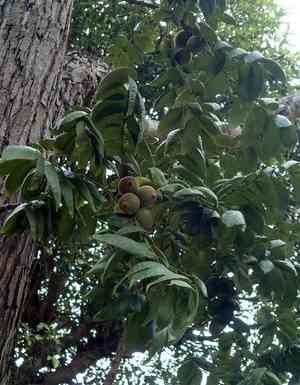
When considering Andean walnut for your landscaping projects, its visual charm is a key element. The tree presents a grand form with a wide canopy and rich, green leaves, making it a striking feature in any garden. Its bark, textured and deeply colored, offers a pleasing visual contrast to its foliage and can serve as a prominent element in your landscape design. Whether you aim to create a peaceful setting or add a touch of sophistication, Andean walnut can fulfill various aesthetic desires. Strategic placement in your garden can significantly boost the overall visual impact of your outdoor area.
The Environmental Benefits Andean walnut Brings to Gardens
Beyond its beauty, Andean walnut provides numerous environmental advantages. As a significant source of shade, it can lessen the amount of direct sunlight reaching lower plants and garden areas, thereby helping to maintain a cooler, more comfortable environment. This is especially beneficial during hot summer months. Furthermore, Andean walnut contributes to improved air quality by absorbing carbon dioxide and releasing oxygen. Its extensive root system also helps prevent soil erosion, retain soil moisture, and support healthier plant growth nearby. By incorporating Andean walnut into your landscape, you are not only enhancing its visual appeal but also fostering a more sustainable and eco-friendly environment.
Common Landscaping Styles Suitable for Andean walnut
When it comes to integrating Andean walnut into various landscaping styles, the treeâs adaptability is evident. It fits seamlessly into traditional, contemporary, and rustic designs. In a traditional garden, Andean walnut can serve as a focal point or a shaded retreat, creating a harmonious and timeless look. For more contemporary landscapes, the clean lines and structured form of Andean walnut offer a modern aesthetic that pairs well with minimalist designs. In rustic settings, the natural and rugged appearance of Andean walnut complements the organic layout and materials commonly used. Regardless of the style, ensuring that Andean walnut is placed in a prominent location will maximize its aesthetic and functional roles in your garden.
Choosing the Right Location for Andean walnut
Evaluating Soil and Sunlight Conditions
The success of Andean walnut in your landscaping project heavily relies on selecting an appropriate location with optimal soil and sunlight conditions. Andean walnut thrives in well-draining soil that is rich in organic matter. Prior to planting, it is advisable to test the soil and amend it as necessary to meet these requirements. In terms of sunlight, Andean walnut prefers full sun to partial shade. Ensuring that the tree receives at least six hours of direct sunlight daily will promote vigorous growth and vibrant foliage. Avoid planting Andean walnut in areas where water tends to pool, as overly saturated soil can hinder its development and cause root diseases.
Spacing Considerations for Healthy Growth
Proper spacing is another critical factor in the healthy development of Andean walnut. The tree can grow to impressive heights and widths, so allowing sufficient room for its mature size is essential. Crowding Andean walnut with other plants or trees can lead to competition for resources such as nutrients, water, and light, which can stifle growth. Planting Andean walnut with adequate spacing not only ensures that it has enough room to expand but also minimizes the likelihood of disease spreading between closely situated plants. A general guideline is to space Andean walnut at least 20 to 30 feet apart from other trees and large shrubs.
Incorporating Andean walnut into Various Designs
Integrating Andean walnut with Other Plant Species
Integrating Andean walnut with other plant species in your garden can create a diverse and visually appealing landscape. When choosing companion plants, consider those that thrive in similar soil and sunlight conditions. Underplanting Andean walnut with shade-tolerant shrubs, perennials, and ground covers can add layers and textures to your garden design. Examples of suitable companion plants include hostas, ferns, and azaleas, which can thrive in the dappled shade provided by Andean walnut. By carefully selecting a variety of plants that complement each other, you can create a cohesive and thriving ecosystem in your landscape.
Creating Focal Points with Andean walnut in Your Landscape
Creating focal points in your garden is an excellent way to draw attention to specific areas, and Andean walnut can serve as a stunning centerpiece. Whether you place it at the end of a pathway, at the center of a garden bed, or near a seating area, the commanding presence of Andean walnut will attract the eye and create a natural gathering point. Complementing the tree with decorative elements such as stone benches, garden sculptures, or water features can enhance the focal point's impact. This approach not only highlights the beauty of Andean walnut but also provides a sense of structure and design to your outdoor space.
Using Andean walnut for Shade and Privacy in Outdoor Spaces
One of the practical uses of Andean walnut in landscaping is providing shade and privacy. The broad canopy of Andean walnut offers substantial shade, creating a cool and comfortable area during hot weather. This makes it ideal for planting near patios, decks, and playgrounds where people gather and spend time outdoors. Additionally, the dense foliage of Andean walnut can act as a natural privacy screen, blocking unwanted views and creating a secluded atmosphere in your garden. Placing Andean walnut strategically around the perimeter of your property or near windows can significantly enhance your outdoor living experience.
Maintenance Tips for Andean walnut in Landscapes
Seasonal Care Guidelines for Optimal Growth
To ensure Andean walnut remains healthy and vibrant, following seasonal care guidelines is crucial. In the spring, apply a balanced fertilizer to support new growth and replenish soil nutrients. Summer care involves regular watering, especially during dry spells, to maintain adequate soil moisture. In the fall, remove fallen leaves and debris to prevent diseases and pests from settling in. Winter care includes mulching around the base of Andean walnut to protect the roots from extreme cold and temperature fluctuations. By adhering to these seasonal practices, you can promote the longevity and health of Andean walnut in your landscape.
Pruning Techniques for Shaping and Health
Pruning is an essential aspect of maintaining the health and shape of Andean walnut. Regular pruning helps remove dead, diseased, or damaged branches, allowing for better air circulation and reducing the risk of infections. It also helps shape the tree, encouraging strong structural growth and maintaining its aesthetic appeal. The best time to prune Andean walnut is during its dormant season in late winter or early spring before new growth begins. Use clean, sharp tools to make precise cuts and avoid over-pruning, as this can stress the tree. Following proper pruning techniques will ensure Andean walnut remains healthy and continues to enhance your landscape.



