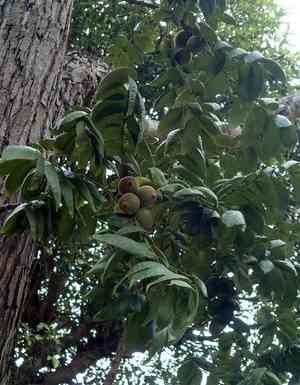
Andean walnut (Juglans neotropica)
Also known as: Ecuadorian walnut, Nogal, Cedro nogal
The Andean walnut tree (Juglans neotropica) is known for its impressive height and valuable outputs. It produces tannins, which are used to derive colored dyes from its fruits, bark, and leaves. Its wood is highly sought after for premium and decorative woodworking projects. Unfortunately, this species is becoming scarce in its natural habitat and is currently listed as "Endangered" on the IUCN Red List, mainly due to logging and habitat destruction.
In This Article
Attributes of Andean walnut
Lifespan
Perennial
Plant Type
Tree
Plant Height
40 m
Spread
5 m
Leaf Color
Green
Flower Size
2.5 cm to 4 cm
Flower Color
Greenish
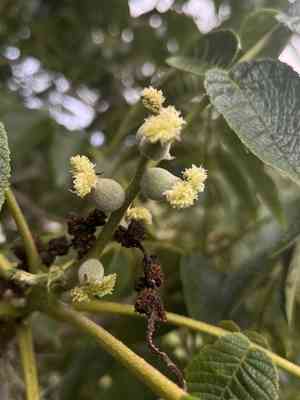
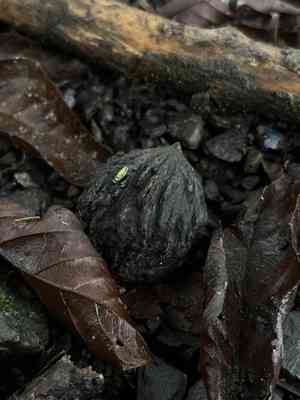
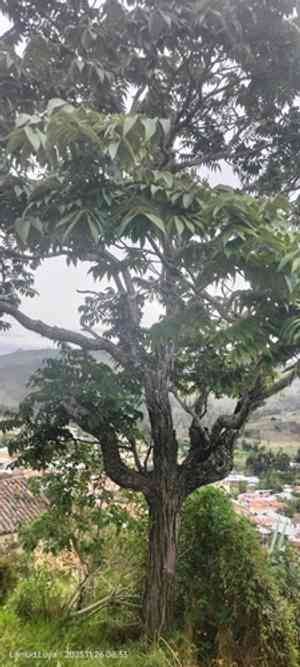
Images of Andean walnut
Quickly Identify Andean walnut
1
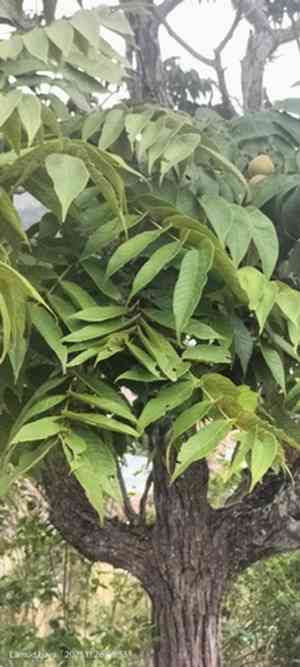
Identifying Juglans neotropica involves looking for its large compound leaves with 11-23 leaflets arranged alternately on the stem, its round nuts encased in a green husk, and its distinctive rough and furrowed bark.
Scientific Classification of Andean walnut
Phylum
Vascular plants
Class
Dicotyledons
Order
Fagales
Family
Walnut
Genus
Walnuts
Species
Andean walnut
Planting and Growing of Andean walnut
Care Difficulty
Hard
Watering Schedule
Every 3 days
Sunlight Requirements
Full sun
Sunshine Duration
6-10 hours
Ideal Temperature
60-75℉
Soil Type
Potting Mix, Peat Mix
Soil pH
6.5-7.5
Fertilizer Type
Balanced
Pruning Season
Spring, Summer
Pruning Area
Branches, Leaves
Pruning Frequency
2 times a year
Repotting Season
Spring
Pot Type
Plastic, Ceramic
 How to Water Andean walnut?
For Juglans neotropica, water it thoroughly, ensuring the soil is moist but not soggy. Aim for about 500 milliliters of water per session. The soil should be wet about 6 inches deep, allowing the roots to soak up moisture without causing waterlogging.
What are the symptoms of an underwatered Andean walnut?
›
What should I do if my Andean walnut is not getting enough water?
›
What are the symptoms of an overwatered Andean walnut?
›
How to save an overwatered Andean walnut?
›
 What Are the Sunlight Requirements for Andean walnut?
Juglans neotropica's ideal light range is full to partial sun. Adequate light enables strong photosynthetic activity, resulting in lush growth, vibrant foliage, and enhanced reproductive functions.
More About Sunlight Requirements Techniques→
What is the optimal sunlight exposure?
›
How can I ensure my plant receives ideal light?
›
What benefits does ideal lighting provide?
›
 What Is the Ideal Temperature Range for Andean walnut?
The ideal temperature range for Juglans neotropica is between 60°F and 75°F. Maintaining this range ensures optimal growth and health, as this plant species thrives in moderately warm climates typical of subtropical regions. Such temperatures facilitate effective photosynthesis and nutrient absorption.
 What Soil is Best for Andean walnut?
Juglans neotropica thrives in well-drained soil conditions that allow for proper root aeration. This is crucial for preventing root rot and ensuring that the plant can absorb nutrients efficiently. This plant benefits from nutrient-rich soil, which provides the essential elements for robust growth. A high organic matter content is ideal for supporting its development and production of healthy nuts. While drainage is important, the soil should also retain moisture to support the plant's water needs between rainfalls or irrigation. This balance is vital to avoid drought stress.
 How to Fertilize Andean walnut?
For Juglans neotropica, ensure a balanced approach in fertilization. When using slow-release fertilizers, opt for a controlled measure of around 100 grams per application for mature trees, adjusting accordingly for younger trees.
 How to Prune Andean walnut?
Begin by examining the tree's structure, looking for crossing branches, dead or diseased wood, and any overly dense areas that block sunlight. This will help you identify which branches need to be pruned first. Start by removing any dead or damaged branches, cutting back to healthy wood. For live wood, prune to an outward-facing bud to promote outward growth. Ensure each cut is clean and slightly angled to promote water runoff and discourage infection. Selectively thin out branches in dense areas to improve air circulation and sunlight penetration, reducing the risk of fungal diseases and promoting healthier nut production. Ensure to maintain a balanced canopy shape. After pruning, monitor the tree for signs of stress or disease, particularly at the cut sites. Apply an appropriate fungicidal treatment if needed and ensure the tree receives adequate water and nutrients to recover.
More About Pruning Techniques→
 How to Propagate Andean walnut plant?
1
Harvest mature seeds from Juglans neotropica in late autumn. Select seeds from healthy, robust specimens to improve chances of successful germination.
2
Place seeds in a stratification medium such as moist sand or peat moss. Store them in a cool environment for a period of 3-4 months to break dormancy.
3
After stratification, sow seeds in pots with nutrient-rich potting mix. Ensure them are covered lightly with soil and maintain consistent moisture levels until germination.
 How to Repot Andean walnut plant?
1
Juglans neotropica should be repotted when roots begin to emerge from the drainage holes of the pot. Additionally, a noticeable reduction in growth or yellowing leaves often indicates that the plant is root-bound and struggles in its current pot. Ideally, repotting is best carried out during the active growing months of spring or early summer, allowing the plant ample time to acclimate.
2
An ideal pot for Juglans neotropica should be about 2 inches larger in diameter than the current one, providing sufficient space for roots to expand. It should have adequate drainage holes to prevent waterlogging, which can lead to root rot. Selecting a lighter-colored pot can help reflect sunlight, keeping roots cooler in warmer conditions.
3
The soil for repotting Juglans neotropica should be rich in organic matter, ensuring ample nutrient supply. It needs a well-draining mix to prevent water accumulation and root diseases. Inserting perlite or small stones can enhance drainage, while adding some peat moss helps retain beneficial moisture without becoming oversaturated.
Toxicity
Ingestion
WARNING
The judgment on toxicity and danger is for reference only. We DO NOT GUARANTEE any accuracy of such judgment. Therefore, you SHALL NOT rely on such judgment. It is IMPORTANT TO SEEK PROFESSIONAL ADVICE in advance when necessary.



