How to Prune Andean walnut?
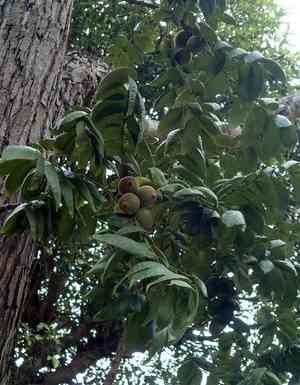
Recognized for its ability to thrive at elevated altitudes and its prized wood, andean walnut thrives with deliberate trimming to improve its vitality and form. Essential methods involve reducing crowded limbs, excising ailing or compromised wood, and sculpting for symmetrical development. The most effective time for trimming is in late winter or early spring, when the plant's dormant state minimizes sap movement. Trimming andean walnut can encourage fresh development, boost light exposure and air movement, and avert future harm, guaranteeing a sturdy and fruitful plant.
Advantages of Trimming Andean Walnut
Advantages of Trimming Andean Walnut
Trimming andean walnut encourages strong development and preserves its desired shape. Strategic cuts eliminate superfluous branches, enhancing light exposure and air circulation, thereby fostering robust health and an attractive form.
Optimal Period for Pruning Andean Walnut
Optimal Period for Pruning Andean Walnut
The ideal time for pruning andean walnut is during late winter and early spring. This timing precedes the plant's rapid growth phase, which typically occurs in spring. Pruning in late winter ensures the plant remains dormant, minimizing stress and improving healing post-cuts. Early spring pruning, before new growth emerges, is beneficial as it allows gardeners to shape the plant and guide its development while reducing sap bleed, which can attract pests or cause disease. Additionally, removing dead or damaged wood at this time revitalizes andean walnut, establishing a strong foundation for the year's growth, flowering, and fruiting.
Essential Tools for Pruning Andean Walnut
Hand Pruners
For cutting smaller branches of andean walnut up to 0.75 inches thick, ensuring clean cuts for healthy regrowth.
Loppers
To access denser areas of andean walnut and cut branches between 0.75 and 1.5 inches in diameter with increased leverage.
Pruning Saw
For mature and thicker branches of andean walnut exceeding 1.5 inches in diameter, where loppers are insufficient.
Pole Pruner
Enables the gardener to prune higher branches of andean walnut without needing a ladder, improving safety.
Hedge Shears
To sculpt the outer canopy of andean walnut if it's maintained as a hedge or for a formal appearance.
Pruning Gloves
To safeguard hands from scratches while working on andean walnut, as safety is paramount during pruning activities.
How to Prune Andean Walnut
Clean Tools
Sanitize your pruning tools with a 10% bleach solution or rubbing alcohol to prevent disease spread when trimming andean walnut.
Dead Branches
Remove dead branches by cutting them at their junction with healthy wood, ensuring a clean cut without tearing the bark of andean walnut.
Diseased Branches
Identify and trim diseased branches of andean walnut, cutting at least several inches into healthy tissue to ensure all infected material is removed.
Smooth Cuts
Make all cuts smooth and close to the trunk or main branch without leaving stubs, to promote proper healing on andean walnut.
Wound Dressing
Apply a wound dressing or sealant to large cuts to protect andean walnut from pests and diseases while the cuts heal.
Common Pruning Errors with Andean Walnut
Overpruning
Removing too much foliage can stress andean walnut, leading to poor health and less vigorous growth. It's crucial not to exceed the standard guideline of pruning no more than 25% of the crown at once.
Improper Cut Location
Cutting too close or too far from the main trunk or a bud can result in improper healing and invite disease. Always cut just above a bud or branching point without leaving a stub or damaging the collar.
Tearing Bark
Incorrect pruning cuts, especially on larger limbs, can tear the bark and damage andean walnut. To avoid this, use the three-cut technique for large branches where the first two cuts prevent bark tearing and the final cut is made cleanly at the branch collar.
Using Dull Tools
Dull pruning tools can create jagged cuts that are more susceptible to infection and pests. Sharp, clean, and appropriate tools are essential for making precise cuts that heal quickly.
Pruning Healthy Growth
While pruning is best directed at removing dead or diseased wood, a mistake would be to unnecessarily remove healthy growth that contributes to andean walnut's vigor and structure.
General Pruning Advice for Andean Walnut
Cleaning Tools
Before and after pruning andean walnut, clean the tools to prevent the spread of diseases. Use a solution of one part bleach to nine parts water or a commercial disinfectant specifically designed for garden tools.
Selective Pruning
Focus on removing only the branches that are dead, diseased, or crossing and rubbing against each other. This targeted approach helps maintain the health and structure of andean walnut, avoiding undue stress.
Correct Angle
When making a cut, do so at an angle that slopes away from the bud or branch to prevent water from collecting on top, which could lead to rot or disease. The angle should be shallow enough to minimize the exposed cut surface.
Consider Branch Size
For branches less than one inch in diameter, use bypass pruners for a clean cut. For larger branches, use a handsaw or loppers and employ the appropriate technique to prevent damage to the surrounding tissues.
Encourage Airflow
When thinning out andean walnut, aim to create a canopy structure that allows for good air circulation and light penetration. This reduces the chance of fungal diseases and promotes healthy growth.



