The Andean walnut Plant Advantage: Maximizing Home and Office Appeal and Wellness
1
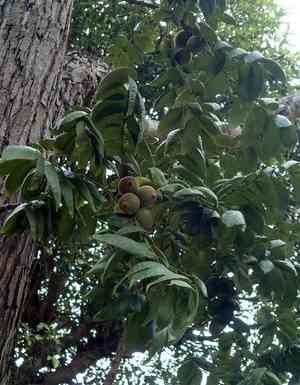
Andean walnut originates from the Andean areas of South America.
2
Its timber is greatly prized for its strength and attractive appearance.
3
Andean walnut is vital to local ecosystems, offering shelter and sustenance for animals.
Ecological Advantages of Andean Walnut
Biodiversity Support
Andean walnut plays a vital role in sustaining local biodiversity. By offering a home for diverse organisms, it improves the ecological equilibrium within its native areas. Numerous bird and insect species depend on Andean walnut for sustenance and refuge, making it a cornerstone in these ecosystems.
Soil Improvement
Andean walnut enhances soil quality by introducing organic matter through fallen leaves and branches. This organic material enriches the soil with nutrients, aiding the growth of other plant species. Furthermore, its deep root system helps prevent soil erosion, thereby preserving the landscape's integrity.
Economic Benefits of Andean Walnut
Timber Sector
Andean walnut is highly valued in the timber industry for its robust and attractive wood. The lumber is frequently utilized in furniture production, flooring, and other woodworking projects. Its durability ensures long-lasting products, which, in turn, fosters consistent economic activity in its harvesting regions.
Job Creation
The cultivation and harvesting of Andean walnut create employment opportunities for local communities. From logging to processing and crafting, various roles in the supply chain provide livelihoods for many households. This not only strengthens local economies but also promotes sustainable development.
Diverse Applications of Andean Walnut
Woodcrafts and Construction
The wood of Andean walnut is not only resilient but also visually appealing, making it a popular choice for woodworking and construction. Artisans often use it to craft intricate woodworks, furniture, and even musical instruments. Its high-quality wood is also employed in building structures and decorative paneling.
Sustainable Products
Andean walnut wood is increasingly being incorporated into eco-friendly products. Given its sustainability and durability, it is a preferred material in constructing green buildings. Moreover, biodegradable products such as natural dyes and organic compost derived from Andean walnut contribute to an environmentally responsible lifestyle.
Importance of Andean Walnut Conservation
Threats to Andean Walnut
Despite its many advantages, Andean walnut faces threats from deforestation and changes in land use. Intensive logging and agricultural expansion often lead to habitat loss, endangering the tree's survival. Conservation efforts are essential to protect this valuable species and ensure its continued contribution to biodiversity and the economy.
Conservation Approaches
Various strategies are being implemented to conserve Andean walnut. These include establishing protected areas, promoting sustainable logging practices, and involving local communities in conservation initiatives. By adopting a multi-faceted approach, stakeholders can ensure the plant's survival and continue to reap its ecological and economic benefits.



