How Much Sunlight Do Elecampane Need?
1
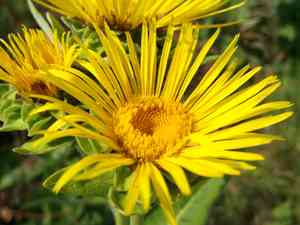
Elecampane flourishes optimally in bright, direct sunlight, requiring over six hours of exposure daily.
2
While this resilient herb can endure some shade, its development might be hindered in less illuminated environments.
3
Elecampane's light needs vary considerably with the seasons, necessitating adjustments, particularly in colder periods.
Optimal Light Conditions for Elecampane
Full Sun Requirements
For robust growth, Elecampane thrives in full sun. This implies it should receive a minimum of 6 hours of direct sunlight daily. Full sun exposure promotes optimal plant development and blooming, resulting in healthier, more vibrant specimens. Placing your Elecampane in an open, unshaded garden area is vital for adequate light.
Partial Shade Tolerance
While full sun is ideal, Elecampane can endure partial shade, especially during the day's hottest period. A garden spot receiving 4 to 6 hours of sunlight will suffice, though it might lead to less vigorous growth and fewer blooms. Therefore, while partial shade is an option, aiming for more sun is better for peak performance.
Daily Sun Exposure for Elecampane
Optimal Hours of Sunlight
Elecampane should ideally get 6 to 8 hours of sunlight each day. This extended exposure ensures efficient photosynthesis, contributing to its overall vitality and strength. Ensure the plant is in a location with consistent sunlight, as fluctuating exposure can impede its development.
Monitoring Sun Intensity
Sun intensity varies daily, with midday sun being the most potent. For Elecampane, continuous exposure to strong sunlight can sometimes be excessive. Thus, while full sun is recommended, extremely intense conditions might require some filtering or strategic placement to prevent potential harm.
Sunlight and Seasonal Changes
Summer Sunlight Needs
During summer, Elecampane greatly benefits from abundant sunlight. The long days and bright sun are crucial for its growth and maturation. Ensure the plant receives uninterrupted sun exposure during this season to maximize its health and productivity.
Winter Sunlight Adaptations
In winter, Elecampane enters dormancy, and its light requirements decrease. While the plant still needs some light, the shorter days and lower sun intensity of winter are generally sufficient. Ensure the plant still gets some light, but it can be in a less sunny spot during these months.
Signs of Too Much or Too Little Sunlight
Indicators of Excess Sunlight
If Elecampane receives too much sunlight, you'll observe signs like yellowing leaves, scorched edges, or wilting foliage. Should these symptoms appear, consider providing some afternoon shade or moving the plant to a less intense sunny spot.
Symptoms of Sunlight Deficiency
Conversely, if Elecampane doesn't get enough sunlight, it may show symptoms such as stretched stems (etiolation), poor blooming, and leaves turning a darker green than usual. If these signs are present, try moving the plant to a sunnier location to improve its exposure.
Tips for Managing Sunlight for Elecampane
Creating Optimal Sunlight Conditions
To establish ideal sunlight conditions for your Elecampane, choose a planting site that receives consistent sunlight throughout the day. If necessary, trim nearby plants or structures that might cast shadows. Additionally, consider using mulch to regulate soil temperature and moisture, enhancing growing conditions.
Adjusting Location Based on Sunlight Needs
Observe your Elecampane and be ready to adjust its position if needed. For potted plants, this might involve moving the pot to different areas throughout the year to maximize sun exposure. For garden-planted Elecampane, consider the sun's seasonal path when selecting a planting site to ensure year-round optimal light.



