How to Prune Elecampane?
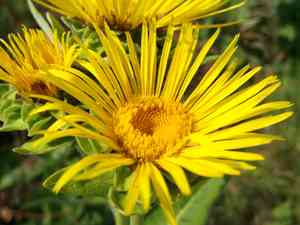
This lofty, herbaceous perennial, recognized for its substantial, yellow daisy-like blossoms and expansive root structure, thrives with occasional trimming. Essential pruning methods for elecampane encompass deadheading faded blooms to stimulate additional flowering and reducing foliage in late autumn to neaten the plant. Perform pruning in spring to eliminate aged growth and foster robust new stems. Summer trimming might entail thinning out surplus growth to enhance air movement. Strategic pruning sustains elecampane's well-being and elevates its therapeutic and aesthetic worth.
What Are the Benefits of Pruning Elecampane?
What Are the Benefits of Pruning Elecampane?
Trimming elecampane is crucial for promoting abundant blossoms, stimulating robust development, and maintaining its form for an attractive garden presence, ensuring a flourishing and hardy plant.
What Is the Best Time for Pruning Elecampane?
What Is the Best Time for Pruning Elecampane?
In late spring, elecampane has concluded its winter dormancy and the final frost has passed, minimizing the risk of cold damage post-pruning. This timing allows for shaping and supports healthy growth throughout the active season. During summer, trimming after flowering helps elecampane direct energy into root and vegetative development instead of seed production, maximizing its health and vitality. Pruning in early fall, before the plant enters winter dormancy, can help remove any dead or diseased foliage, reducing the likelihood of winter damage and illness while ensuring the plant conserves energy for the subsequent growing season.
What Tools Do I Need to Prune Elecampane?
Hand Pruners
Elecampane is a sturdy perennial that can reach up to 6 feet tall. Hand pruners are perfect for cutting back dead or spent foliage, making clean cuts on stems up to 3/4 inches in diameter. Bypass pruners will create a cleaner cut than anvil pruners.
Loppers
For thicker stems or reaching into denser areas of the plant where hand pruners might not suffice, loppers are the next option. These can handle stems up to 1 1/2 inches thick and offer greater leverage and reach.
Long-Handled Pruners
Given elecampane's potential height, long-handled pruners can be useful for reaching the upper parts of the plant without needing a ladder, which is safer and more convenient.
Pruning Saw
If elecampane has developed any particularly thick, woody stems that exceed the capacity of hand pruners and loppers, a pruning saw may be necessary. These saws can manage thick, mature stems that need removal to rejuvenate the plant or maintain its shape.
How to Prune Elecampane
Cleaning tools
Before trimming elecampane, clean and sanitize all pruning implements to prevent the spread of pathogens.
Remove diseased leaves
Cut off any diseased leaves from elecampane using sharp, clean shears, being careful not to harm healthy foliage or stems.
Prune withered leaves
Trim back the withered leaves from elecampane. Make precise cuts to remove the entire leaf, including any leaf stem attached to the main plant.
Deadhead flowers
Remove spent flowers on elecampane by cutting them at the base of the flower stem to encourage new growth and bloom production.
Dispose waste
Properly discard all removed plant material far from elecampane to prevent the potential spread of pests or diseases.
Common Pruning Mistakes with Elecampane
Overpruning
Removing too much growth from elecampane, which can stress the plant and lead to reduced vigor and flowering.
Pruning too early
Cutting back elecampane before its blooming cycle finishes can prevent the formation of seed heads that some gardeners desire for winter interest.
Improper cuts
Making jagged or torn cuts on elecampane can lead to disease and pest infestations. Always use sharp, clean tools.
Disregarding plant shape
Trimming elecampane without considering its natural form can result in an unsightly appearance and uneven growth.
Neglecting sanitation
Failure to clear away pruned debris can encourage fungal diseases and pests that could harm elecampane.
Common Pruning Tips for Elecampane
Health and maintenance
Trim elecampane to remove any dead or damaged stems, which helps prevent disease and encourages new growth.
Flowering encouragement
For elecampane, prune older stems to promote the production of new stems that will flower more vigorously.
Plant size control
To manage elecampane's size and encourage bushier growth, prune stems selectively.
Aesthetic shaping
Trim elecampane to maintain its natural shape and enhance its appearance within the garden design.
Tool care
Always use well-maintained and sharp pruning shears for clean cuts that will heal quickly, preventing stress to elecampane.



