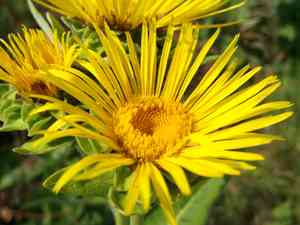
Elecampane (Inula helenium)
Also known as: Elecampane inula, Horse-heal, Elf wort, Enula campana, Yellow starwort
Inula helenium, also known as elecampane, is sometimes called horse-heal or wild sunflower scabwort. This plant is native to Eurasia. According to legend, its association with Helen of Troy comes from the belief that elecampane sprang up from the places where her tears touched the ground.
In This Article
Attributes of Elecampane
Lifespan
Perennial, Annual, Biennial
Plant Type
Herb
Plant Height
90 cm to 1.5 m
Spread
60 cm to 90 cm
Leaf Color
Green
Flower Size
5 cm
Flower Color
Yellow
Images of Elecampane
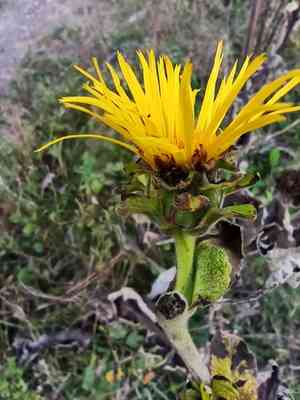
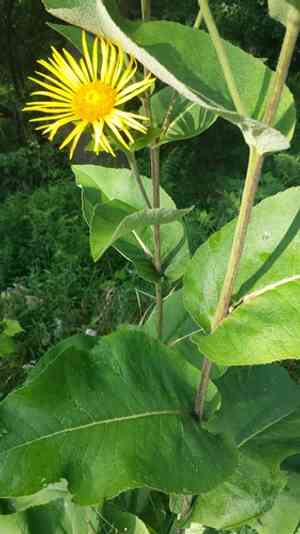
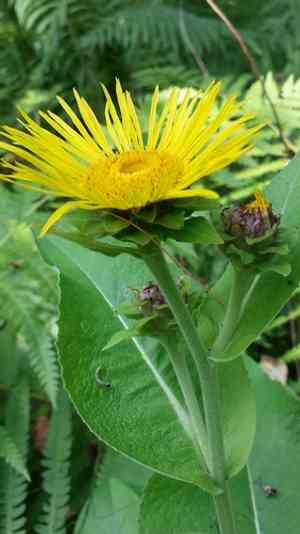
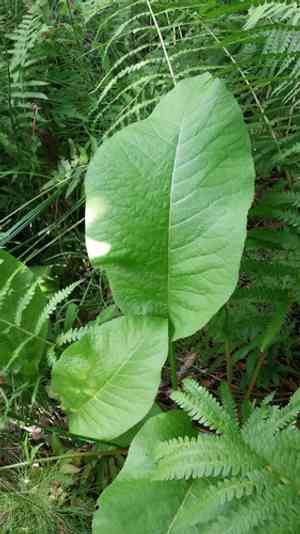
Quickly Identify Elecampane
1
Netted vein pattern on elongated leaves
2
Distinctive string-like yellow petals in flower heads
3
Woolly underside on large, rough alternate leaves
4
Stout, densely woolly stem reaching up to 5 feet (150 cm)
5
Clusters of flowers with sunburst pattern around central disc
Scientific Classification of Elecampane
Phylum
Vascular plants
Class
Dicotyledons
Order
Asterales
Family
Daisy
Genus
Inula
Species
Elecampane
Planting and Growing of Elecampane
Care Difficulty
Easy
Watering Schedule
Every 3 days
Sunlight Requirements
Full sun
Sunshine Duration
6-10 hours
Ideal Temperature
60-75℉
Soil Type
Potting Mix, Peat Mix
Soil pH
6.5-7.5
Fertilizer Type
Balanced
Pruning Season
Spring, Summer
Pruning Area
Branches, Leaves
Pruning Frequency
2 times a year
Repotting Season
Spring
Pot Type
Plastic, Ceramic
 How to Water Elecampane?
Inula helenium prefers moderate watering. Ensure that the soil remains slightly moist but not waterlogged. The golden rule is to water until moisture begins to trickle out of the drainage holes, recommending approximately 500 ml at a time.
What are the symptoms of an underwatered Elecampane?
›
What should I do if my Elecampane is not getting enough water?
›
What are the symptoms of an overwatered Elecampane?
›
How to save an overwatered Elecampane?
›
 What Are the Sunlight Requirements for Elecampane?
Inula helenium prefers a light range comprising full sun to partial sun conditions. Adequate light promotes vigorous growth and stunning floral displays, enhancing both aesthetic and ecological benefits, such as attracting pollinators.
More About Sunlight Requirements Techniques→
What are the ideal lighting conditions for Inula helenium?
›
How can one achieve ideal lighting for Inula helenium?
›
What benefits does ideal lighting provide to Inula helenium?
›
 What Is the Ideal Temperature Range for Elecampane?
Inula helenium thrives best within a temperature range of 60°F to 75°F. These temperatures mimic the plant's natural habitat, promoting steady growth and optimal health. During this range, the plant can effectively photosynthesize and absorb nutrients, leading to sturdier stems and vibrant foliage.
 What Soil is Best for Elecampane?
Inula helenium thrives in well-drained soil to prevent root rot, ensuring the roots receive enough oxygen. This soil type prevents waterlogging, facilitating healthy root growth and preventing diseases. This plant requires soil of moderate fertility, rich in organic matter, which supports robust growth and vibrant blooms. Organic-rich soil also enhances microbial activity, improving nutrient availability for the plant. While this plant can tolerate drought, consistent moisture levels in the soil help maintain turgor pressure, keeping the leaves firm and the plant robust, particularly during dry spells.
 How to Fertilize Elecampane?
For Inula helenium, a balanced approach to fertilization is key. When using liquid fertilizer, aim for a dilution ratio of 1:2. This means one part fertilizer to two parts water, which caters to the plant's moderate nutrient needs without overwhelming it.
 How to Prune Elecampane?
Begin by assessing the overall shape and health of your Inula helenium. Use sharp, clean shears to remove any dead or damaged stems, which helps prevent disease and decay. Cut back leggy growth to maintain the plant’s shape and encourage bushiness. Make cuts just above a leaf node to stimulate new growth. In late summer, after the primary blooming period, consider a more severe cutback. This involves removing the top third of the plant, which can rejuvenate the foliage and potentially induce a second bloom in autumn. Ensure that the plant is well-watered to recover quickly from this rigorous pruning.
More About Pruning Techniques→
 How to Propagate Elecampane plant?
1
Ensure the soil is well-draining and rich in organic material. Loosen the soil to a depth of about 12 inches to encourage root growth and aeration. Avoid using heavy clay soils.
2
When propagating through seeds, sow them in seed trays filled with starter mix. Lightly cover the seeds and maintain a consistent humidity by using a mist sprayer.
3
For division propagation, carefully dig around the plant and split the root ball into sections. Ensure each section has healthy roots attached, and plant them separately.
 How to Repot Elecampane plant?
1
It's time to repot Inula helenium when you notice roots are circling the bottom of the pot or pushing through the drainage holes. These signs indicate that the plant is root-bound and in need of more space to continue thriving. Additionally, if the soil seems compacted and isn't retaining moisture well, it might be time for a change.
2
When selecting a pot for your Inula helenium, opt for one that is slightly larger than the previous container—about 1-2 inches wider. Ensure that the pot has good drainage holes to prevent waterlogging, which can cause root rot. A terracotta pot is ideal as it allows air circulation and helps with excess moisture evaporation.
3
Choose a well-draining loamy soil mix for repotting Inula helenium. This type of soil provides the perfect balance of moisture retention and drainage, allowing excess water to escape easily and preventing root rot. A bit of added sand or perlite will enhance drainage capacity.
Learn More About Elecampane Diseases
Anthracnose
Bacterial Leaf Spot
Bacterial Soft Rot
Bacterial Wilt
Chemical Injury
Crown Gall
Cyst Nematode
Damping-off
Downy Mildew
Drought Stress
Fusarium Wilt
Gray Mold
Leaf Spot
Mosaic
Nutrient Deficiency
Nutrient Toxicity
Powdery Mildew
Root Rot
Root-knot Nematode
Rusts
Sooty Mold
Spider Mites
Temperature Stress
Thrips Damage
White Mold



