How Much Sunlight Do Hairy indigo Need?
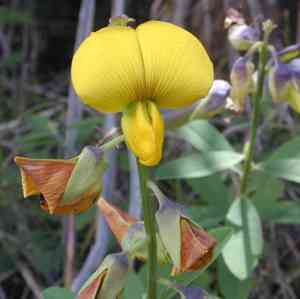
1
Hairy indigo flourishes in bright sun, receiving over 6 hours of direct light each day.
2
Although Hairy indigo favors full sun, it can endure some shade, getting at least 4-5 hours of light.
3
Indoor Hairy indigo specimens benefit from placement near south-facing windows to maximize light exposure.
Optimal Light Requirements for Hairy indigo
Full Sun Exposure
For robust development of your Hairy indigo, complete sun exposure is the perfect environment. Full sun means your plant gets at least 6-8 hours of direct solar radiation daily. This amount of light provides Hairy indigo with ample energy for photosynthesis, vital for blooming and overall vigor. Position your Hairy indigo where it receives uninterrupted sunlight, such as in the center of a garden or an open area.
Partial Shade Tolerance
While Hairy indigo thrives best in full sun, it can also endure partial shade. If situated in a partially shaded spot, ensure it receives a minimum of 4-5 hours of sunlight per day. When cultivated in partial shade, Hairy indigo might not bloom as profusely, but its foliage will remain healthy. Consider locations where structures or trees cast intermittent shadows, providing the plant with a mix of light and shade.
Identifying Prime Locations for Hairy indigo
Best Garden Placements
When selecting a garden spot for Hairy indigo, seek areas that receive direct sunlight for most of the day. South-facing gardens typically offer the most solar exposure. Observe your garden to pinpoint spots that get unobstructed sun from dawn until late afternoon. Additionally, confirm the location isn't prone to waterlogging, as proper drainage is equally crucial for the plant's well-being.
Indoor Light Requirements
If cultivating Hairy indigo indoors, place it near a south-facing window for abundant sunlight. Indoor plants can benefit from supplementary illumination, especially during shorter winter days. Utilize full-spectrum grow lights to mimic natural sunlight, positioning them approximately 6-12 inches (15-30 cm) above the plant. Remember to rotate the plant periodically to ensure all sides receive equal light.
Seasonal Light Considerations for Hairy indigo
Spring and Summer Growth
During the spring and summer months, Hairy indigo experiences rapid growth and may produce vivid blooms. These seasons generally offer longer days and stronger sunlight, creating ideal conditions for the plant. Ensure it receives consistent sunlight and water regularly to support its growth cycle. This is also an opportune time to prune any dead or damaged parts to encourage new development.
Fall and Winter Adjustments
As days shorten and sunlight intensity diminishes in fall and winter, Hairy indigo may exhibit slower growth. If growing outdoors, consider relocating it to a spot that receives the maximum available sunlight. For indoor plants, providing additional light with grow lights can help maintain its health during these months. Reduce watering frequency as the plant's water uptake decreases with lower light levels.
Common Light Issues and Solutions for Hairy indigo
Signs of Excessive Sun
Although Hairy indigo loves sunlight, too much direct exposure during peak summer can cause sunburn or scorched leaves. Symptoms of overexposure include yellowing or browning foliage and dry, brittle edges. To prevent this, consider using a shade cloth during the hottest part of the day or ensure the plant has some filtered sunlight.
Signs of Insufficient Sunlight
If Hairy indigo isn't receiving adequate sunlight, you might observe elongated stems, pale or yellow leaves, and reduced flowering. These indicators suggest the plant is stretching towards the light, often becoming leggy. Gradually increase its sun exposure to avoid shocking the plant. Move it to a brighter location or use grow lights to boost its light intake.
Optimal Light Management Strategies
Balancing the sunlight Hairy indigo receives is crucial for its health. Employ these tactics to optimize light conditions: 1) Position the plant to get morning sun and afternoon shade in summer. 2) Use shade cloths or garden netting to prevent intense midday sun damage. 3) For indoor plants, supplement natural light with grow lights. By monitoring light and making necessary adjustments, you can ensure your Hairy indigo remains vibrant and healthy.



