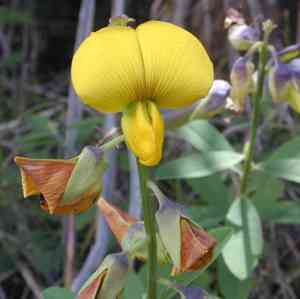
Hairy indigo (Indigofera hirsuta)
Also known as: Another legume
Hairy indigo (Indigofera hirsuta), initially introduced as a forage crop, has turned into a problematic weed in areas like the peanut industry. The plant is known for its distinctive hairy stems, which become woody as it matures.
In This Article
Attributes of Hairy indigo
Lifespan
Annual, Perennial
Plant Type
Herb
Plant Height
30 cm to 1 m
Spread
60 cm to 90 cm
Leaf Color
Green
Flower Size
1.3 cm
Flower Color
Orange Red Gold
Images of Hairy indigo
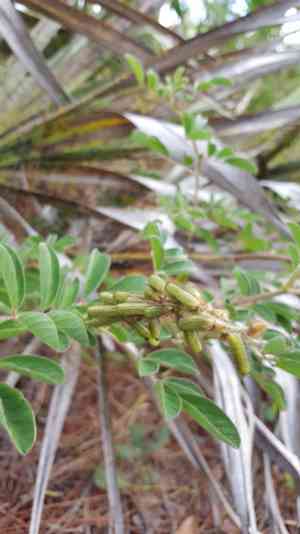
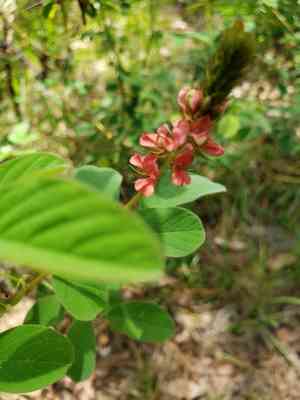
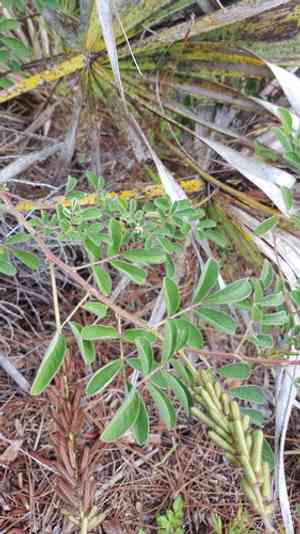
Quickly Identify Hairy indigo
1
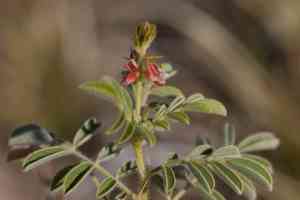
Identify Indigofera hirsuta by its hairy textured stems and leaves. The plant has trifoliate leaves with three oval to oblong leaflets. The flowers are arranged in racemes and are typically bright red or pink in color.
Scientific Classification of Hairy indigo
Phylum
Vascular plants
Class
Dicotyledons
Order
Fabales
Family
Legume
Genus
Indigofera
Species
Hairy indigo
Planting and Growing of Hairy indigo
Care Difficulty
Easy
Watering Schedule
Every 2 days
Sunlight Requirements
Full sun
Sunshine Duration
4-6 hours
Ideal Temperature
75-85℉
Soil Type
Potting Mix, Peat Mix
Soil pH
6.5-7.5
Fertilizer Type
Balanced
Pruning Season
Spring, Summer
Pruning Area
Branches, Leaves
Pruning Frequency
2 times a year
Repotting Season
Spring
Pot Type
Plastic, Ceramic
 How to Water Hairy indigo?
When watering Indigofera hirsuta, aim to moisten the soil evenly without waterlogging it. Typically, 500ml is an appropriate amount per session, ensuring the water reaches the root system but does not saturate the soil excessively.
What are the symptoms of an underwatered Hairy indigo?
›
What should I do if my Hairy indigo is not getting enough water?
›
What are the symptoms of an overwatered Hairy indigo?
›
How to save an overwatered Hairy indigo?
›
 What Are the Sunlight Requirements for Hairy indigo?
Indigofera hirsuta prefers full sun to partial sun. Ideal lighting supports vibrant blooming and robust foliage, crucial for its ornamental appeal and health.
More About Sunlight Requirements Techniques→
What is the best lighting condition for Indigofera hirsuta?
›
How to achieve ideal lighting for Indigofera hirsuta?
›
Benefits of ideal lighting for Indigofera hirsuta?
›
 What Is the Ideal Temperature Range for Hairy indigo?
Indigofera hirsuta thrives best in temperatures ranging from 75°F to 85°F. This range ensures optimal photosynthesis and metabolic activity, fostering healthy growth and flowering. Consistent temperatures within this range help the plant to maintain its physiological processes efficiently, minimizing stress and maximizing growth potential.
 What Soil is Best for Hairy indigo?
Indigofera hirsuta thrives in soil that allows for excellent drainage to prevent root rot. Well-draining soils help the plant absorb nutrients effectively while avoiding waterlogging, which can be detrimental to its growth. This plant prefers soil rich in organic matter, providing essential nutrients for optimal growth. Nutrient-rich soils support the thriving of Indigofera hirsuta with lush foliage and vibrant flowering. While good drainage is key, the soil should retain enough moisture to sustain the plant between watering. This balance ensures that Indigofera hirsuta receives consistent hydration necessary for growth without being waterlogged.
 How to Fertilize Hairy indigo?
Indigofera hirsuta requires careful measurement of fertilizer to ensure healthy growth. For liquid fertilizers, a solution diluted to one-quarter strength is generally sufficient, applied around the base of the plant. For solid fertilizers, a light sprinkle that evenly covers the soil surface will suffice, avoiding any direct contact with the plant itself.
 How to Prune Hairy indigo?
Begin by inspecting the plant for any signs of dead, damaged, or diseased branches. These should be pruned first to maintain plant health and encourage new growth. After removing the dead branches, shape the plant by trimming back longer branches to a healthy bud. This helps keep the plant compact and encourages bushier growth. Prune the oldest stems down to the base to encourage new flowering shoots. This will not only enhance the plant's appearance but also boost its blooming potential.
More About Pruning Techniques→
 How to Propagate Hairy indigo plant?
1
Collect mature seeds from Indigofera hirsuta pods. It is important to select seeds that are fully developed and dry. Before sowing, consider stratifying the seeds in a moist medium for a few weeks to break dormancy and enhance germination rates.
2
Sow the seeds in a seed tray filled with the starting mix. Cover them lightly with the mix, ensuring good soil contact. Keep the soil consistently moist but not waterlogged, and place the tray in a warm location to facilitate germination.
3
Select healthy stems for cuttings, cut them just below a node, and remove excess leaves. Dip the cut end in rooting hormone for better results, then plant the cuttings in a pot filled with a rooting medium, and maintain high humidity until roots develop.
 How to Repot Hairy indigo plant?
1
Indigofera hirsuta needs repotting when you see roots coming out of the drainage holes or if growth has significantly slowed down. Another indicator is if the soil no longer retains moisture, causing you to water more frequently.
2
Select a pot that is 1-2 inches larger in diameter than the current one. Ensure it has sufficient drainage holes. A slightly larger pot prevents water stagnation and root rot while providing enough space for root expansion.
3
Use a well-drained potting mix rich in organic matter. This type of soil promotes aeration and ensures that excess water drains, preventing root rot. A porous mix replicates its natural habitat, encouraging healthy growth.
Toxicity
Ingestion and contact
WARNING
The judgment on toxicity and danger is for reference only. We DO NOT GUARANTEE any accuracy of such judgment. Therefore, you SHALL NOT rely on such judgment. It is IMPORTANT TO SEEK PROFESSIONAL ADVICE in advance when necessary.
Learn More About Hairy indigo Diseases
Anthracnose
Bacterial Leaf Spot
Bacterial Wilt
Crown Gall
Cyst Nematode
Damping-off
Downy Mildew
Drought Stress
Fusarium Wilt
Gray Mold
Leaf Spot
Mosaic
Nutrient Deficiency
Nutrient Toxicity
Powdery Mildew
Root Rot
Root-knot Nematode
Rusts
Sooty Mold
Spider Mites
Temperature Stress
Thrips Damage
White Mold



