How to Prune Hairy indigo?
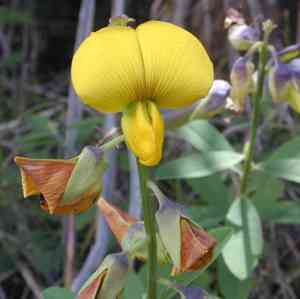
This bushy legume flourishes in warm and humid climates, recognized for its fuzzy stalks and capacity to fix nitrogen. Effective pruning of hairy indigo entails shortening elongated branches and excising lifeless or ailing timber to encourage denser foliage and enhance airflow. The most suitable periods for pruning extend from spring to autumn, coinciding with phases of vigorous development. Consistent trimming benefits hairy indigo by improving its aesthetic appeal and curbing excessive expansion in cultivated areas. It is crucial to sanitize instruments to avert the transmission of pathogens.
What Are the Benefits of Pruning Hairy Indigo?
What Are the Benefits of Pruning Hairy Indigo?
Trimming hairy indigo promotes robust development and aids in maintaining a desired form. Regular trimming ensures a healthy plant structure and look, enhancing its decorative and ecological contributions.
What Is the Best Time for Pruning Hairy Indigo?
What Is the Best Time for Pruning Hairy Indigo?
Trimming in Spring allows hairy indigo to recover and produce new growth as the active season begins. Early Summer trimming helps shape the plant and remove any spent flowers, encouraging a second wave of blooms. Autumn trimming focuses on removing any dead or dying foliage and preparing hairy indigo for winter, avoiding deep cuts that might expose new growth to frost damage. These periods align with hairy indigo's active growth phases and help sustain its health and vitality.
What Tools Do I Need to Prune Hairy Indigo?
Hand Pruners
Perfect for precise cutting of small stems and branches of hairy indigo, enabling selective shaping and removal of unwanted parts.
Loppers
Suitable for cutting through thicker branches of hairy indigo that are typically too large for hand pruners, offering greater leverage and reach.
Pruning Saws
Effective for removing mature or larger branches from hairy indigo, especially in areas where loppers may not fit or provide sufficient cutting power.
Hedge Shears
Useful for shaping and maintaining the overall form of hairy indigo when grown as a hedge or in mass plantings, allowing for uniform and aesthetically pleasing cuts.
Gloves and Protective Gear
Essential for safeguarding the gardener from any potential irritants or thorns present on hairy indigo during the trimming process.
How to Prune Hairy Indigo
Sterilize Tools
Before beginning, sanitize pruning shears or scissors with rubbing alcohol or a bleach solution to prevent the spread of disease to hairy indigo.
Identify
Examine hairy indigo for withered leaves, confirming they are to be pruned by checking for signs of discoloration, dryness, and brittleness.
Cut Withered Leaves
Using the sanitized tools, carefully cut the withered leaves close to the stem. Make clean cuts at an angle to promote healing and prevent water accumulation on the cut surface which could encourage disease.
Dispose
Remove the trimmed leaves from the area around hairy indigo to prevent the potential spread of pests or diseases that might be present on the withered foliage.
Clean Up
After pruning, clean and re-sterilize the tools used. This keeps the tools in good condition and prepares them for the next use, ensuring no cross-contamination occurs between plants.
Common Pruning Mistakes with Hairy Indigo
Overpruning
Removing too much growth from hairy indigo can weaken the plant, making it susceptible to pests and diseases.
Underpruning
Neglecting to prune hairy indigo can result in a leggy and overgrown plant, which might impact its overall health and blooming potential.
Inadequate Tool Cleanliness
Using unsanitized pruning tools can introduce pathogens to hairy indigo, potentially leading to infections.
Improper Cut Location
Making cuts too far from a node can leave unnecessary stubs that may invite pests or decay, while cutting too close can damage the growing points.
Disregarding Plant Health
Pruning hairy indigo when it is stressed or unhealthy can further weaken the plant instead of encouraging growth.
Common Pruning Tips for Hairy Indigo
Sharp Tools
Use sharp and clean pruning shears to make clean cuts without damaging hairy indigo's stems.
Selective Pruning
Prune hairy indigo selectively, removing only dead or diseased wood and thinning out crowded areas to improve light penetration and air circulation.
Pruning Angle
Make cuts at a 45-degree angle just above a leaf node or bud to encourage new growth in the desired direction.
Moderation
Prune hairy indigo moderately, ensuring you do not remove more than one-third of the plant in a single pruning session.
Post-Pruning Care
After pruning hairy indigo, provide the plant with adequate water and possibly a light fertilizer to support recovery and new growth.
Health Checks
Inspect hairy indigo before pruning to identify any health issues and address them accordingly during the pruning process.



