How Much Sunlight Do Venus' pride Need?
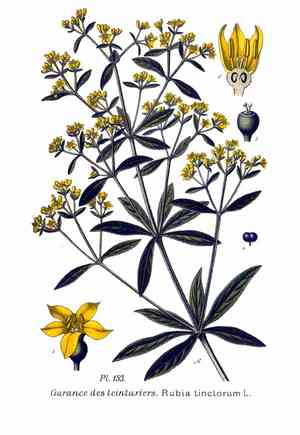
1
Venus' pride flourishes optimally with 6-8 hours of sun exposure each day.
2
Excessive direct sun can result in leaf burn for Venus' pride.
3
Inadequate illumination may cause elongated stems and reduced flowering.
Optimal Light Requirements for Venus' pride
Direct Sun vs. Partial Shade
For the robust and lively development of Venus' pride, understanding its light preferences is vital. These plants can endure both full sun and partial shade, yet each condition impacts the plant uniquely. Full sun provides more intense illumination, which can encourage more prolific blooming but also risks leaf burn if summer rays become too strong. Conversely, partial shade offers a gentler light setting, reducing the chance of scorching while potentially resulting in fewer flowers. Ideally, positioning your Venus' pride to absorb morning sun and receive shade during the intense afternoon hours is most effective.
Daily Illumination Duration Needed
Venus' pride flourishes with a precise equilibrium of sun exposure. For peak growth, aim to supply the plant with 6-8 hours of sunlight daily. While the plant can manage full sun, if you reside in an area with particularly fierce midday heat, partial shade during those peak times can be advantageous. This balance promotes vigorous development while safeguarding the plant from sunburn.
Monitoring Sun Exposure for Venus' pride
Indications of Excessive Sunlight
Observing sun exposure for Venus' pride is crucial to prevent overexposure. Symptoms of too much sunlight include leaf scorching, where leaf edges appear brown and brittle, and blooms may begin to fade prematurely. You might also notice the leaves feel dry and fragile to the touch. If these signs are present, consider providing the plant with more shade during the warmest parts of the day.
Signs of Insufficient Sunlight
Conversely, inadequate sunlight has its own set of indicators. If Venus' pride isn't receiving enough light, it might display leggy or stretched growth as it reaches for the light source. The plant may also produce fewer flowers, and those that do appear might be smaller and less vibrant. If you observe these signs, it's essential to modify the plant's location to ensure it gets more direct light.
Tips for Adjusting Sunlight for Peak Growth
Utilizing Grow Lights Indoors
For indoor enthusiasts of Venus' pride, especially in low-light environments, grow lights are an excellent solution. These specialized lights can supplement natural sunlight, ensuring your plant receives the necessary 6-8 hours of light daily. Position the grow lights approximately 30-45 centimeters (12-18 inches) above the plant and keep them on for the recommended duration to mimic natural daylight.
Moving to an Optimal Location
Sometimes, repositioning your plant can make a significant difference. If your Venus' pride is showing signs of insufficient or excessive sunlight, consider moving it to a more suitable spot. For instance, you could place the plant near a window that receives morning sun but is protected from the harsh afternoon rays. Remember, relocating your plant is about finding that perfect balance where it gets ample light without the risk of sun damage.
Seasonal Adaptations
Seasonal shifts necessitate adjustments to your Venus' pride care regimen. In winter, when daylight is limited, consider employing grow lights to compensate for shorter days. During the summer, ensure the plant is not exposed to intense midday sun for extended periods. By aligning your plant care practices with the seasons, you guarantee that Venus' pride remains healthy and thriving throughout the year.



