How to Propagate Venus' pride?
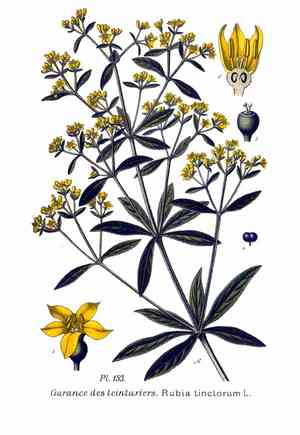
This small, long-lived plant, recognized for its vivid blooms, flourishes when reproduced via seeding methods. For successful cultivation, horticulturalists must provide a porous soil blend that replicates venus' pride's native environmental needs. Gently embed the seeds onto the top layer, as they require sufficient illumination for proper sprouting. Steady hydration is essential, but preventing oversaturation is vital to safeguard the fragile root structure. Careful tending during the initial developmental phases will foster strong establishment, leading to a charming floral exhibition.
When Is the Optimal Time to Propagate Venus' Pride?
Propagation Method
Seeding
Propagation Period
Spring
What Equipment Is Used for Venus' Pride Propagation?
Seed Tray
A seed tray is vital for planting venus' pride seeds in a controlled setting. It allows for proper seed spacing, ensuring ample room for development without crowding. Furthermore, seed trays help maintain consistent moisture and temperature, which are crucial for venus' pride germination.
Potting Mix
A premium potting mix offers the necessary nutrients and air circulation for successful germination and initial growth phases of venus' pride. It should drain well yet retain sufficient moisture to meet the delicate needs of young seedlings.
Misting Bottle
A misting bottle is employed to gently water venus' pride seeds without dislodging them or causing soil erosion. This tool ensures adequate moisture levels are maintained during the critical germination period, fostering healthy seedling development.
Grow Lights
If propagating venus' pride indoors or in low natural light conditions, grow lights can supply the required light spectrum to support photosynthesis and robust growth in the early post-germination stages.
Heating Mat
A heating mat can be especially beneficial for venus' pride if propagating in cooler climates or during colder months. It helps maintain a steady soil temperature, promoting more reliable and quicker germination.
How to Propagate Venus' Pride?
Propagation Difficulty
Simple
How to Care for Your Newly Propagated Venus' Pride?
How to Care for Your Newly Propagated Venus' Pride?
After successful propagation of venus' pride, gradually introduce the young plants to their permanent growing conditions. Keep the soil moderately moist and provide partial shade to shield young plants from direct sun. Over time, you can reduce watering frequency, allowing the soil to dry slightly between waterings. Fertilize sparingly during the growing season to encourage healthy development. Monitor for pests and diseases and treat as needed to ensure strong plant growth.
Common Errors to Avoid When Propagating Venus' Pride
Overwatering
Excessive moisture can lead to root rot and fungal infections, diminishing the chances of successful venus' pride propagation.
Deep planting
Placing seeds or cuttings too deep in the soil can hinder venus' pride's ability to sprout or root, as it may struggle to reach the surface and access enough light.
Ignoring soil composition
Using an unsuitable soil type for venus' pride can impede root development and nutrient absorption, which are vital for healthy growth and propagation.
Neglecting plant health
Attempting to propagate unhealthy or stressed venus' pride specimens can result in low success rates, as these plants are less resilient and may not establish well.
Advice For Propagating Venus' Pride
Sufficient hydration
Maintaining balanced moisture levels is crucial. Ensure the soil is moist but well-drained to support the rooting process without risking waterlogged conditions.
Shallow planting
For seeds, cover them lightly with soil to ensure they are not too deep. For cuttings, plant them shallow enough to allow easy emergence of new shoots.
Use appropriate soil
Choose a soil mix that drains well yet retains enough moisture to support venus' pride's growth. A blend of peat, perlite, and sand often works effectively.
Select healthy specimens
Only choose vigorous and disease-free parts of venus' pride for propagation. This increases the likelihood of successful rooting and healthy growth.



