How to Prune Venus' pride?
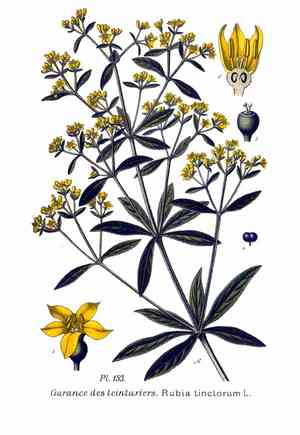
This small, perennial plant, known for its vivid blue blossoms, thrives with regular trimming to encourage robust development and revitalization. The primary method entails consistently removing withered flowers and cutting back discolored leaves. The most effective times for pruning are during spring and summer to boost flowering and preserve its form. For this particular plant, diligently eliminating dead foliage can deter illness, and shaping promotes thick, appealing growth. Pruning additionally cultivates a strong root structure, guaranteeing a flourishing plant with brilliant flowers.
What Are the Benefits of Pruning Venus' Pride?
What Are the Benefits of Pruning Venus' Pride?
Trimming venus' pride promotes vigorous development and maintains its compact shape, essential for its appearance and vitality. Strategic cuts enhance air flow and light penetration, crucial for strength and form.
What Is the Best Time for Pruning Venus' Pride?
What Is the Best Time for Pruning Venus' Pride?
Spring is the optimal period for trimming venus' pride as it coincides with the start of the plant's active growth phase, allowing it to recover quickly from pruning stress and direct energy towards new growth. Early Summer trimming is also suitable, especially after flowering, to encourage more blooms or to maintain the plant's structure. Pruning during these times helps prevent potential disease spread, which is more common in damp conditions found in other seasons. Additionally, pruning during these seasons avoids removing developing buds that will produce the next season's flowers, ensuring venus' pride can retain its desired ornamental look.
What Tools Do I Need to Prune Venus' Pride?
Hand Pruners or Secateurs
These are excellent for making precise cuts on venus' pride's delicate stems and for deadheading. Choose ones that fit comfortably in your hand.
Sharp Scissors
If venus' pride's stems are particularly thin or delicate, a sharp pair of scissors may be preferable to hand pruners, which could crush the stems.
Bypass Pruners
Bypass pruners make a cleaner cut compared to anvil pruners and are less likely to damage venus' pride's stems. Ideal for cutting live tissue without causing harm.
Pruning Snips
Pruning snips are perfect for snipping small, thin stems of venus' pride and can reach into dense growth without causing collateral damage.
How to Prune Venus' Pride
Clean Tools
Before pruning venus' pride, ensure all pruning tools are clean and sharp to prevent the spread of disease and make clean cuts that will heal efficiently.
Remove Diseased Leaves
Carefully examine venus' pride and remove any diseased leaves by cutting them at the base, close to the main stem to avoid leaving stubs that could harbor pests or disease.
Remove Withered Leaves
Trim off withered leaves from venus' pride at their base to promote better air circulation and light penetration, which are vital for the health of the plant.
Remove Diseased Stems
Identify and cut back any diseased stems on venus' pride to healthy tissue. Make the cuts at a 45-degree angle to allow water to run off and to promote healing and regrowth.
Dispose
After pruning venus' pride, properly dispose of all removed material away from healthy plants to prevent any potential spread of disease.
Common Pruning Mistakes with Venus' Pride
Overpruning
Cutting back venus' pride too severely can shock the plant, stunting its growth and reducing its ability to flower. A gentle approach is crucial to avoid stressing the plant.
Improper Tool Use
Using dull or dirty pruning tools can lead to jagged cuts and introduce diseases to venus' pride. Always use sharp and sterilized tools for clean cuts.
Incorrect Cuts
Making cuts too close to the bud can damage the emerging shoots of venus' pride, while leaving too much of a stem can result in unsightly dead material that can attract pests.
Neglecting Deadheading
Failing to remove spent blooms from venus' pride can lead to a decrease in flowering, as the plant expends energy on seed production instead of new blooms.
Ignoring Plant Health
Pruning without first assessing the health of venus' pride can inadvertently remove healthy growth instead of targeting damaged or diseased tissue.
Common Pruning Tips for Venus' Pride
Selective Pruning
Carefully select which stems and branches to prune on venus' pride, aiming to maintain its natural shape and promote air circulation.
Clean Cuts
Make sure to cut at an angle away from the bud to encourage water runoff and minimize the risk of disease for venus' pride.
Consistency
Regularly deadhead spent flowers of venus' pride to promote continuous blooming throughout the growing season, without over-pruning in any one session.
Post-Bloom Pruning
Prune venus' pride after it completes a bloom cycle to shape the plant and remove any overgrowth, while being cautious not to cut back more than one-third of the plant at once.
Health Check
Before pruning, examine venus' pride for any signs of disease or damage, and prioritize the removal of any unhealthy growth to prevent further issues.



