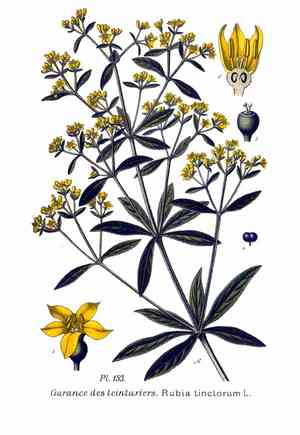
Venus' pride (Houstonia purpurea)
Also known as: Purple Bluet, Large bluet
Houstonia purpurea, often referred to as Venus' pride, is a plant species indigenous to the eastern United States. It belongs to the same family as the coffee plant and features three unique varieties. This species is also commonly called purple bluet or woodland bluet.
In This Article
Attributes of Venus' pride
Lifespan
Perennial
Plant Type
Herb
Plant Height
50 cm
Spread
50 cm
Leaf Color
Green
Flower Size
2.5 cm
Flower Color
White Pink Purple Blue
Images of Venus' pride
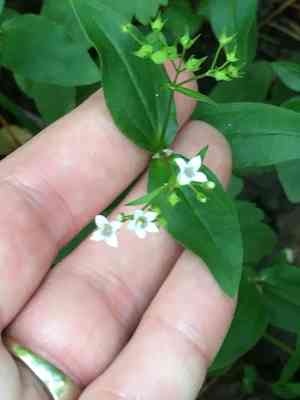
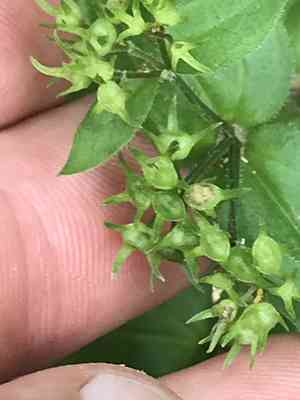
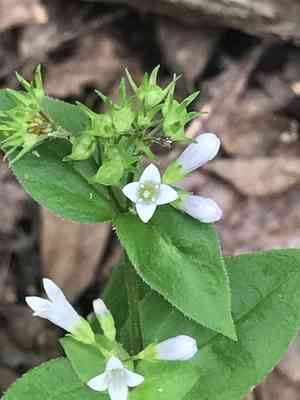
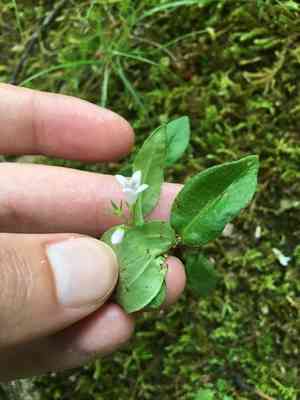
Quickly Identify Venus' pride
1
Hairy stems with lavender-blue to white petals (1 inch / 2.5 cm wide).
2
Square, green or purple stems, 1-2 feet (30-60 cm) tall, with angular cross-section.
3
Small, 1/4 inch (6 mm) diameter flowers in clusters, lasting about one month.
4
Elliptical, lanceolate leaves, 1-2 inches (2.5-5 cm) long, sessile on branching stems.
5
Fruit is a dry capsule, spherical to elongated, up to 0.2 inches (5 mm) long.
Scientific Classification of Venus' pride
Phylum
Vascular plants
Class
Dicotyledons
Order
Gentianales
Family
Madder
Genus
Bluets
Species
Venus' pride
Planting and Growing of Venus' pride
Care Difficulty
Easy
Watering Schedule
Every 3 days
Sunlight Requirements
Partial sun
Sunshine Duration
6-10 hours
Ideal Temperature
65-75℉
Soil Type
Potting Mix, Peat Mix
Soil pH
6.5-7.5
Fertilizer Type
Balanced
Pruning Season
Spring, Summer
Pruning Area
Branches, Leaves
Pruning Frequency
2 times a year
Repotting Season
Spring
Pot Type
Terracotta, Plastic
 How to Water Venus' pride?
Houstonia purpurea should be watered thoroughly until the soil is moist but not waterlogged. The plant requires approximately 250 ml of water during each session to ensure the roots are adequately hydrated. Water until water drains from the bottom of the pot or the ground feels consistently moist about an inch below the surface.
What are the symptoms of an underwatered Venus' pride?
›
What should I do if my Venus' pride is not getting enough water?
›
What are the symptoms of an overwatered Venus' pride?
›
How to save an overwatered Venus' pride?
›
 What Are the Sunlight Requirements for Venus' pride?
Houstonia purpurea prefers partial sun, ideally exposed to 3 to 6 hours of light daily. This balance of sun and shade encourages healthy growth and beautiful blooms.
More About Sunlight Requirements Techniques→
What is the best type of light exposure for Houstonia purpurea?
›
How can you provide ideal light for Houstonia purpurea?
›
What are the benefits of optimal light exposure for Houstonia purpurea?
›
 What Is the Ideal Temperature Range for Venus' pride?
The ideal temperature range for Houstonia purpurea is between 65°F and 75°F. Within this range, the plant can photosynthesize effectively and maintain its metabolic activities. If conditions remain steady in this range, the plant is more likely to exhibit healthy growth and vibrant foliage.
 What Soil is Best for Venus' pride?
Houstonia purpurea thrives in nutrient-rich loam, which provides essential minerals and nutrients vital for robust growth. Ensuring the soil is well-fertilized aids in vibrant blooming and overall plant health. Proper drainage is crucial to prevent root rot in Houstonia purpurea. A sandy loam structure allows excess water to escape, keeping the roots healthy while retaining enough moisture for the plant's needs. The plant prefers a slightly acidic environment, between pH 6.5 to 7.5, which optimizes nutrient uptake. This pH range allows for the best availability of iron and other micronutrients necessary for flourishing growth.
 How to Fertilize Venus' pride?
For Houstonia purpurea, it is important to apply fertilizer modestly, ensuring you're not overwhelming the soil with nutrients. A balanced 10-10-10 fertilizer diluted at half-strength is a good choice for liquid fertilizers, applied at about 2 tablespoons per gallon of water.
 How to Prune Venus' pride?
To prune Houstonia purpurea, begin by sterilizing your pruning shears to prevent the spread of diseases. Focus on removing any dead or damaged stems, making clean cuts at the base of the plant. Next, trim back any overgrown or leggy stems to promote a bushier growth habit. Always make cuts just above a leaf node or bud to encourage new growth. Ensure you're maintaining a balanced shape by evenly trimming around the plant—aim for a dome-like silhouette for aesthetic appeal.
More About Pruning Techniques→
 How to Propagate Venus' pride plant?
1
Begin by collecting Houstonia purpurea seeds from mature plants. Clean the seeds gently to remove any debris and allow them to dry before planting. This helps prevent mold and increases the success of germination.
2
Fill seed trays with a well-draining potting mix. Sow the seeds on the surface of the soil, and lightly cover them with a thin layer of soil. Maintain consistent moisture by misting the surface until seeds germinate.
3
For division propagation, carefully dig up mature Houstonia purpurea plants in early spring. Separate the root clumps into smaller sections, ensuring each division has several healthy roots. Replant the divisions promptly in their new location.
 How to Repot Venus' pride plant?
1
Houstonia purpurea needs repotting signals like roots sprouting from drainage holes, slowed growth, or compacted soil. Spring or early summer is ideal when the plant is actively growing, ensuring minimum stress during the transition.
2
Select a pot that is one size larger than the current one with good drainage holes. A pot that is too large can retain excess moisture, leading to root rot, while a smaller pot may restrict growth. Choose a material that fits your environment, like clay for dry areas.
3
Opt for a well-draining potting mix with organic components like peat or compost. This blend ensures adequate aeration and prevents waterlogging, allowing the roots to access necessary nutrients while avoiding root rot.



