Enhancing Your Garden Design with the Venus' pride Plant: A Landscaping Guide
1
Venus' pride improves the visual appeal of outdoor spaces due to its distinct look.
2
Venus' pride needs little upkeep after it has settled in.
3
Introducing Venus' pride can support local environments by drawing in beneficial insects.
Why Select Venus' pride for Your Outdoor Space?
Boosting Visual Charm
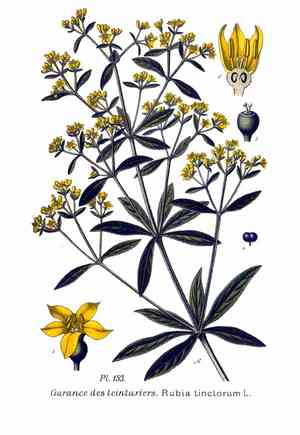
When deciding which flora to integrate into your landscape, the aesthetic worth of Venus' pride is undeniable. With its delicate blossoms and elegant form, Venus' pride offers a visually pleasing component that can elevate the beauty of any garden. Its subtle yet captivating flowers can serve as a charming focal point in both residential and commercial settings. The visual appeal of Venus' pride helps create a varied and textured garden area that is both inviting and calming.
Minimal Upkeep Requirements
One of the most appealing aspects of Venus' pride for any gardener is its low maintenance needs. Once rooted, Venus' pride flourishes with little intervention, making it an ideal selection for those aiming to cultivate a beautiful landscape without dedicating excessive time to plant care. Its adaptable nature allows it to thrive in diverse soil conditions and climates, lessening the necessity for constant watering, pruning, or fertilizing.
Advantages for Local Ecosystems
Beyond its beauty and ease of care, Venus' pride plays a vital role in sustaining local ecology. This plant draws in pollinators such as bees and butterflies, which are crucial for ecosystem health. By including Venus' pride in your garden, you're nurturing a habitat for these essential organisms, promoting biodiversity and contributing to your environment's overall well-being. Essentially, planting Venus' pride is not just an investment in your garden's beauty, but also in the ecological health of your region.
Design Concepts Utilizing Venus' pride
Borders and Edges
Using Venus' pride for borders and edges is an excellent method to clearly and effectively define garden areas. The height and spread of Venus' pride provide a natural-looking barrier that can line pathways or delineate garden beds. Its delicate flowers and rich foliage create a soft, welcoming boundary that blends seamlessly with other garden elements. When planted in groupings or rows, Venus' pride adds structure and formality to your landscaping, guiding visitors through your space with its delightful presence.
Centerpiece Plant in Garden Beds
As a centerpiece plant, Venus' pride can anchor garden beds, offering a focal point that captures attention. Its distinctive blooms stand out against a backdrop of varied greenery, providing a contrast that highlights its beauty. Incorporating Venus' pride in the middle of a circular bed or at the front of a garden plot emphasizes its visual appeal and can create a stunning centerpiece. This approach not only underscores the aesthetic value of Venus' pride but also helps maintain the balance and harmony of the garden's design.
Pairing with Companion Plants
Pairing Venus' pride with companion plants is crucial for cultivating a cohesive and vibrant garden. Placing Venus' pride alongside plants that share similar growing requirements ensures all your garden selections thrive together. Consider positioning Venus' pride next to ground covers, ornamental grasses, or other flowering perennials that have matching water and sunlight needs. This arrangement not only maximizes the beauty of each plant involved but also simplifies your gardening efforts, as caring for them becomes a more unified task.
Seasonal Considerations for Venus' pride
Optimal Planting Periods
Timing is critical when planting Venus' pride. The best times to plant are during the cooler months of early spring or fall, when the soil is moist and temperatures are moderate. These conditions allow Venus' pride to establish itself without the stress of extreme heat or drought. By planting during these optimal periods, you give Venus' pride a better chance to develop a strong root system, which is essential for its long-term health and growth.
Preparing for Inactivity
Like many perennials, Venus' pride may enter a period of dormancy in colder months. Preparing your Venus' pride plants for this phase involves a few simple steps. As the growing season concludes, gradually reduce watering and allow the plant to dry out. Trim back any dead or dying foliage to prevent disease and pests, and apply a light mulch to protect the roots from extreme cold. These preparations help ensure that your Venus' pride plants re-emerge healthy and vibrant when spring arrives.
Sustainability and Venus' pride
Water Conservation
Venus' pride is an excellent choice for water-wise gardening, as it requires relatively little water once established. By choosing plants like Venus' pride, you can contribute to water conservation efforts in your community. Opting for drought-tolerant plants reduces the need for frequent irrigation, which is not only beneficial for the environment but also for your water bill. It's a step towards creating a sustainable garden that thrives on minimal water use.
Supporting Biodiversity
Incorporating Venus' pride into your landscape supports biodiversity by providing habitat and food sources for various pollinators and beneficial insects. This plant attracts species that play essential roles in maintaining ecological balance. By creating a garden that is rich in diverse plant life, you foster a thriving ecosystem that benefits not just your garden but the larger environment. The inclusion of Venus' pride in your landscaping is a step forward in promoting environmental health and supporting natural diversity.



