How Much Sunlight Do Spider hibiscus Need?
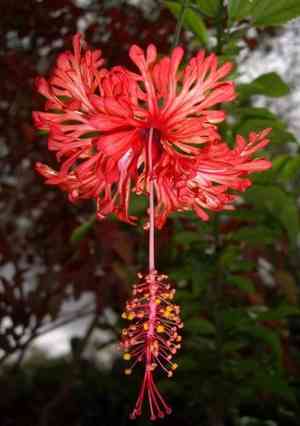
1
For best development, spider hibiscus needs over 6 hours of direct sun each day.
2
While this plant tolerates some shade, it flourishes with abundant sunshine.
3
Evidence of excessive sun exposure includes burned leaves and sun damage.
Ideal Light Conditions for Spider Hibiscus
Sunlight Requirements for Spider Hibiscus
Spider hibiscus requires abundant light to thrive. It should ideally receive over six hours of direct sun daily. This vibrant plant flourishes in conditions of full sun, meaning it needs placement in an area with extensive direct sunlight throughout the day. Nevertheless, it can also tolerate partial sun, which translates to roughly 3-6 hours of sun exposure.
Optimal Placements for Light Exposure
When choosing a site for your Spider hibiscus, think about south or west-facing windows, which typically capture the most light. For outdoor planting, ensure the location isn't shaded by structures or large trees. In regions with harsh, hot summers, positioning the plant to receive morning sun and some protection during the hottest part of the day can prevent excessive heat.
Impact of Sunlight on Spider Hibiscus Development
Benefits of Adequate Sunlight
With proper light levels, Spider hibiscus displays vivid blossoms and rich, healthy foliage. Sufficient sun exposure fuels photosynthesis, which is vital for the plant's energy creation and overall vitality. You will observe an increase in flower production, more intense coloration, and more robust development when the plant receives enough illumination.
Indicators of Excessive or Insufficient Sunlight
Too much sun can lead to stress symptoms like yellowing leaves, scorching, or sunburn, manifesting as brown or burnt patches on the foliage. Conversely, too little sun results in fewer flowers, stretched growth, and pale, dull leaves. Close observation of your plant will assist you in adjusting its position for optimal health.
Modifying Sunlight for Indoor Spider Hibiscus
Utilizing Supplemental Lighting
For indoor Spider hibiscus, particularly in areas with limited natural illumination, artificial grow lights can be an effective solution. Full-spectrum LED grow lights, which simulate natural sunshine, can foster healthy growth. Keep these lights active for approximately 12-14 hours daily, positioning them about 30-45 cm (12-18 inches) above the plants.
Window Placement and Further Advice
Position your Spider hibiscus near south or west-facing windows to maximize light intake. If your windows do not supply enough light, supplementary lighting systems should be considered. Rotate the plant periodically to ensure all sides receive consistent light, promoting balanced growth. Additionally, maintaining clean windows can improve light penetration.
Seasonal Light Considerations for Spider Hibiscus
Summer vs. Winter Light Requirements
During summer, Spider hibiscus flourishes in full sun but might require some afternoon shade to avoid overheating. In winter, indoor plants should be situated in the brightest available spot, as reduced daylight hours and lower intensity can hinder growth. Supplement with artificial light if natural light is inadequate.
Protection from Seasonal Extremes
In summer, shield Spider hibiscus from intense, direct midday sun by offering partial shade using garden fabric or moving potted plants to shadier areas. During winter, avoid placing plants near drafty windows or heating vents, as sudden temperature fluctuations can stress the plant. Consistent temperature and light exposure are crucial.
Common Sunlight Problems and Solutions for Spider Hibiscus
Sunburn and Leaf Scorch
If you observe sunburn or scorching on the leaves, try moving your plant to a slightly shadier location during peak sun hours. Gradually introducing the plant to more sun can help it acclimate better. Temporary shading methods, like garden cloths or shade nets, can also protect the plant during extreme conditions.
Addressing Prolonged Shading
Extended periods of shade can cause Spider hibiscus to become elongated and reduce its flowering. If your plant is suffering from prolonged shade, slowly transition it to a brighter spot. Regular rotation of the plant and pruning of leggy growth can help maintain its form and encourage more vigorous development.



