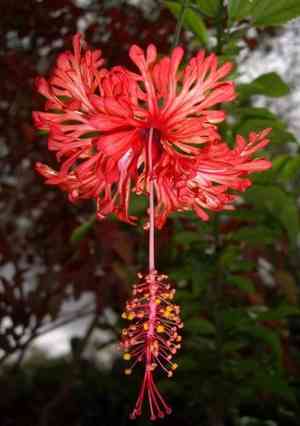
Spider hibiscus (Hibiscus schizopetalus)
Also known as: East-African Hibiscus, Fringed Rose-Mallow, Juba Kusum, Coral hibiscus, Pagoda flower
The Spider hibiscus (Hibiscus schizopetalus) is a shrub native to eastern Africa. It is also known by several other names, including Coral Hibiscus, Skeleton Hibiscus, and Fringed Rosemallow. Often featured in tropical gardens for its ornamental value, its unique hanging flowers have earned it the nickname Japanese Lantern due to their resemblance to traditional lanterns.
In This Article
Attributes of Spider hibiscus
Lifespan
Perennial
Plant Type
Herb, Shrub
Plant Height
3 m
Spread
1.5 m to 1.8 m
Leaf Color
Green
Flower Size
1.5 cm to 3.5 cm
Flower Color
Red Orange
Images of Spider hibiscus

Quickly Identify Spider hibiscus
1
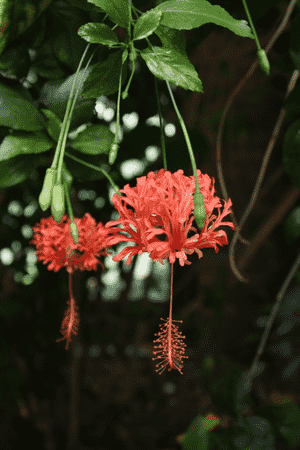
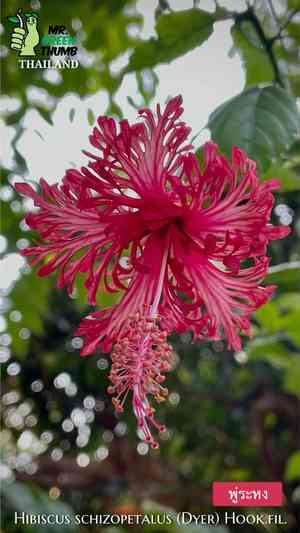
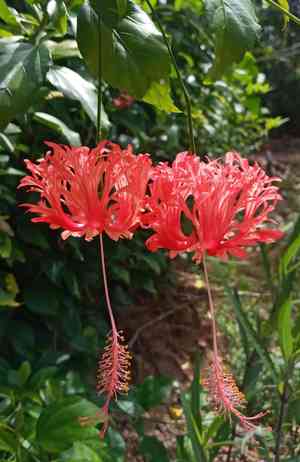
Look for the distinctive, finely divided and fringed petals, which hang downward and resemble a lantern shape. The leaves are ovate with a serrated margin and are dark green in color.
Scientific Classification of Spider hibiscus
Phylum
Vascular plants
Class
Dicotyledons
Order
Mallows, rock-roses, and allies
Family
Mallow
Genus
Hibiscus
Species
Spider hibiscus
Planting and Growing of Spider hibiscus
Care Difficulty
Moderate
Watering Schedule
Every 4 days
Sunlight Requirements
Partial sun
Sunshine Duration
6-10 hours
Ideal Temperature
65-75℉
Soil Type
Potting Mix, Peat Mix
Soil pH
6.5-7.5
Fertilizer Type
Balanced
Pruning Season
Spring, Summer
Pruning Area
Branches, Leaves
Pruning Frequency
2 times a year
Repotting Season
Spring
Pot Type
Plastic, Terracotta
 How to Water Spider hibiscus?
For Hibiscus schizopetalus, aim to water thoroughly until the water drains from the bottom of the pot. This ensures that the entire root ball is soaked, promoting deep root growth. Avoid letting the plant sit in water as this can lead to root rot.
What are the symptoms of an underwatered Spider hibiscus?
›
What should I do if my Spider hibiscus is not getting enough water?
›
What are the symptoms of an overwatered Spider hibiscus?
›
How to save an overwatered Spider hibiscus?
›
 What Are the Sunlight Requirements for Spider hibiscus?
Hibiscus schizopetalus flourishes in environments providing full to partial sunlight, with an optimal light range of 6 to 8 hours daily. Proper lighting promotes lush foliage and a robust blooming cycle.
More About Sunlight Requirements Techniques→
What is the ideal sunlight for Hibiscus schizopetalus?
›
How can I ensure my plant receives ideal lighting?
›
Why is proper sunlight important for this plant?
›
 What Is the Ideal Temperature Range for Spider hibiscus?
Hibiscus schizopetalus thrives best in warm temperatures ranging from 65°F to 75°F. This temperature range allows for optimal growth and flowering, simulating its native tropical environment. Ensuring a stable temperature within this range helps prevent stress and promotes robust plant health.
 What Soil is Best for Spider hibiscus?
Hibiscus schizopetalus demands well-draining soil to prevent root rot. Adequate drainage helps maintain healthy roots, allowing the plant to absorb nutrients effectively. The soil should be rich in organic matter, providing essential nutrients that boost growth and flowering. Nutrient-rich soil supports robust plant health and vibrant blooms. While good drainage is crucial, the soil should also retain enough moisture to keep the plant hydrated. Balanced moisture levels are key for sustained growth and flower production.
 How to Fertilize Spider hibiscus?
Hibiscus schizopetalus benefits from a balanced fertilizer, using a 10-10-10 or 20-20-20 NPK ratio. The dosage should be about half of what is recommended on the package when using liquid fertilizers to prevent overfeeding and potential root damage.
 How to Prune Spider hibiscus?
Start by sterilizing your pruning shears with alcohol to prevent disease spread. Ensure each cut is clean and decisive to minimize stress on the plant. Begin by identifying dead or diseased branches; these should be the first to go, to promote overall plant health. Focus on shaping the plant to maintain an attractive form. Trim long branches selectively to encourage a bushier growth and remove any crossing branches that may impede air circulation within the foliage. To enhance flower production, prune above a node where a leaf pair meets the stem. This encourages new flower-bearing shoots. Be mindful of not cutting back too aggressively, as excessive removal can reduce the flowering potential temporarily.
More About Pruning Techniques→
 How to Propagate Spider hibiscus plant?
1
Choose a healthy stem from the parent plant that is neither too young nor too old. It should be about 4-6 inches long and free from any pests or diseases. This ensures that the cutting has a better chance of rooting successfully.
2
Remove leaves from the lower part of the cutting to prevent them from rotting when inserted into the soil. Dip the cut end in rooting hormone to enhance root development. This step is critical for boosting the success rate of propagation.
3
Plant the prepared cutting in a container filled with a well-draining mix. Firm the soil around the cutting to provide support. Place the container in a warm, humid environment with indirect sunlight to encourage root growth.
 How to Repot Spider hibiscus plant?
1
Notice when Hibiscus schizopetalus shows signs of being root-bound, such as roots emerging from drainage holes, slower growth, or soil that dries quickly. These signals indicate it's time for repotting to ensure your plant thrives.
2
Select a pot that is 1-2 inches larger in diameter than the current one. Ensure it has proper drainage to prevent waterlogging, which can lead to root rot. The right pot supports healthy root expansion and plant stability.
3
Opt for a well-draining sandy soil mix to provide adequate aeration and moisture retention. This type of soil prevents water stagnation and promotes robust root development, essential for the plant's overall vitality.
Learn More About Spider hibiscus Diseases
Anthracnose
Bacterial Leaf Spot
Bacterial Wilt
Black Spot
Chemical Injury
Crown Gall
Damping-off
Downy Mildew
Drought Stress
Fusarium Wilt
Gray Mold
Leaf Curl
Leaf Spot
Mosaic
Nutrient Deficiency
Nutrient Toxicity
Powdery Mildew
Root Rot
Root-knot Nematode
Rusts
Sooty Mold
Spider Mites
Temperature Stress
Thrips Damage
White Mold



