Enhancing Your Garden Design with the Spider hibiscus Plant: A Landscaping Guide
1
Spider hibiscus flourishes in bright locations but can endure some indirect light.
2
Consistent trimming assists in preserving the form and vitality of Spider hibiscus.
3
Spider hibiscus complements various vibrant and foliage-rich plants effectively.
Introducing Spider Hibiscus to Your Outdoor Space
Why Select Spider Hibiscus for Your Garden?
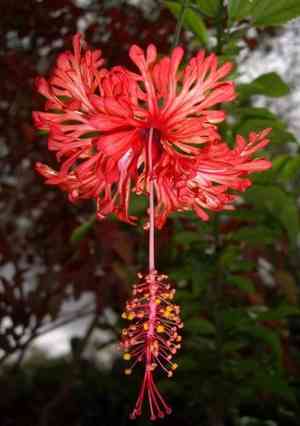
Opting for Spider hibiscus in your garden is an excellent choice due to its striking appearance and adaptability. This plant is renowned for its distinctive, fringed blossoms that can impart an exotic touch to any landscape. The beautiful flowers not only enhance visual appeal but also attract pollinators such as bees and butterflies, fostering a healthy garden ecosystem. Furthermore, Spider hibiscus is relatively simple to care for and can thrive in various soil conditions, making it a superb option for both new and experienced gardeners.
Optimal Placements for Spider Hibiscus in Garden Designs
Spider hibiscus flourishes best in spots where it receives ample sunlight. When planning your garden layout, consider positioning Spider hibiscus in full sun for maximum blooming, though it can also endure partial shade. Ideal locations include alongside garden paths, near patios, or as a background element in flower beds. When choosing its site, ensure the plant has sufficient room to expand, as it can achieve considerable size in both height and width. This allows Spider hibiscus to fully display its inherent beauty.
Companion Plants for Spider Hibiscus
Regarding companion plants, Spider hibiscus pairs well with various species that complement its vibrant blooms and lush foliage. Consider plants like ornamental grasses or colorful perennials such as daylilies and salvias. These plants create a stunning visual contrast and can help fill in spaces around Spider hibiscus. Additionally, ground covers like creeping thyme or low-growing shrubs can enhance the aesthetic and ensure a cohesive, polished look. The key is to select companions that thrive in similar light and soil conditions as Spider hibiscus.
Designing Your Landscape with Spider Hibiscus
Creating Color Contrasts
Using Spider hibiscus to establish color contrasts in your landscape can have a significant impact. The bright, eye-catching flowers of Spider hibiscus stand out beautifully against a green backdrop, infusing your garden with vibrant energy. Pairing Spider hibiscus with plants that have darker or more subdued foliage, such as hostas or ferns, can highlight its unique blooms even further. Additionally, interspersing Spider hibiscus with other flowering plants in complementary shades can create a dynamic and visually appealing garden space.
Utilizing Spider Hibiscus for Borders and Focal Points
Spider hibiscus is ideal for creating borders and serving as a focal point in your landscape. Plant Spider hibiscus along the edges of your garden to define boundaries and add texture. Its tall, bushy growth makes it an excellent choice for screening views or forming a natural barrier. As a focal point, place Spider hibiscus in the center of a flower bed or at the end of a path to draw attention and act as a stunning centerpiece. Its distinctive flowers and foliage make it an eye-catching addition to any garden.
Layering and Texture with Spider Hibiscus
Incorporating Spider hibiscus into your garden can add depth and texture, enhancing the overall landscape design. The plant's intricate flowers and dense foliage contribute to a rich, layered appearance. You can create a tiered planting effect by placing shorter plants in front and taller ones behind Spider hibiscus. This approach not only showcases the full beauty of Spider hibiscus but also maximizes its visual impact. Mixing Spider hibiscus with plants of varying heights and textures can result in a more dynamic and engaging garden.
Maintenance Tips for Spider Hibiscus in Landscapes
Seasonal Care for Optimal Growth and Appearance
To keep Spider hibiscus looking its best, it's crucial to provide seasonal care tailored to its growth cycle. During the active growing period, ensure the plant receives adequate water, especially in hot, dry conditions. Applying a balanced fertilizer in the spring can promote vigorous growth and abundant flowering. In colder climates, protect Spider hibiscus from frost by covering it or moving it indoors if potted. Regularly check for signs of stress or disease and address any issues promptly to maintain the health and beauty of your plant.
Pruning Techniques for a Healthy Spider Hibiscus
Pruning is vital for maintaining the shape and health of Spider hibiscus. Regularly trim dead or damaged branches to encourage new growth and improve air circulation within the plant. It's best to prune Spider hibiscus after it has finished blooming, as this allows the plant to focus its energy on new growth. When pruning, use clean, sharp tools to make precise cuts and avoid harming the plant. Proper pruning not only keeps Spider hibiscus looking tidy but also helps prevent diseases and pests.
Protecting Spider Hibiscus from Common Pests
While Spider hibiscus is generally resistant to many pests, it's still important to remain vigilant. Regularly inspect the plant for signs of common pests such as aphids, spider mites, and whiteflies. If you notice any infestations, treat them promptly using insecticidal soap or neem oil. Maintaining good garden hygiene by removing fallen leaves and debris can also deter pests. Encouraging natural predators like ladybugs and lacewings can help keep pest populations in check, ensuring your Spider hibiscus stays healthy and thriving.



