How to Prune Spider hibiscus?
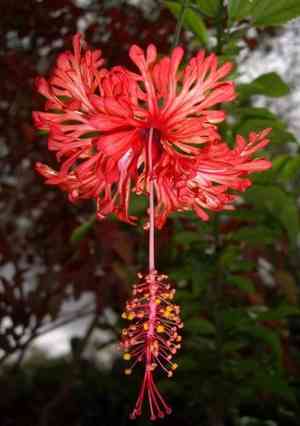
This exotic, decorative plant is recognized for its profoundly divided, hanging blossoms that introduce a unique charm to landscapes. For spider hibiscus, consistent trimming preserves its form and stimulates denser development. Eliminate any deceased or ailing branches at any point, and shorten elongated stalks following blooming to foster additional flowers. Trimming can be conducted throughout the year, although active growth phases are preferable due to quicker recuperation. This method facilitates improved air movement and light exposure, which are crucial for the vigorous well-being and abundant flowering of spider hibiscus.
What Are the Benefits of Pruning Spider Hibiscus?
What Are the Benefits of Pruning Spider Hibiscus?
Trimming spider hibiscus promotes abundant flowering, stimulates vigor, and helps maintain a desired form. Regular cutting enhances bloom production, boosts vitality, and keeps the plant attractive and manageable.
What Is the Best Time for Pruning Spider Hibiscus?
What Is the Best Time for Pruning Spider Hibiscus?
Pruning in late winter or early spring, just before the growing season starts, encourages strong growth and helps maintain the shape and health of spider hibiscus. This timing allows gardeners to easily see the plant's structure without leaf obstruction. It also prevents potential disease issues that can arise from pruning in more humid conditions. Additionally, by pruning before the plant's active growth phase, gardeners avoid cutting off developing buds, ensuring a full blooming season. In tropical climates where spider hibiscus grows year-round, light pruning can be done anytime; however, major pruning should still occur in late winter or early spring to align with the natural growth cycle.
What Tools Do I Need to Prune Spider Hibiscus?
Bypass Pruners
Perfect for making clean, accurate cuts on green stems and small branches of spider hibiscus. They cause less harm to plant tissues than anvil-style pruners.
Pruning Saw
Essential for larger, woodier branches that bypass pruners cannot handle on spider hibiscus. It helps create smooth cuts without tearing the bark.
Lopping Shears
Useful for cutting through thicker stems or branches of spider hibiscus that are too large for bypass pruners but don't require a pruning saw. They offer leverage for easier cuts.
Pole Pruner
Suitable for reaching higher branches of spider hibiscus without using a ladder. Ensures gardener safety while maintaining the plant's form.
Garden Scissors
For detailed work on spider hibiscus, such as deadheading or shaping smaller, more accessible plant parts.
Gloves
Protects the gardener's hands from thorns and sap while pruning spider hibiscus, ensuring safe and comfortable work.
How to Prune Spider Hibiscus
Disinfect Tools
Before beginning the pruning process, ensure all pruning tools are thoroughly disinfected to prevent disease spread to spider hibiscus. Use a solution of one part bleach to nine parts water to sterilize the tools.
Remove Diseased Parts
Carefully inspect spider hibiscus for disease signs. Trim all diseased leaves and branches using sharp pruning shears, making clean cuts to promote quick healing. Remove these parts from the plant's vicinity to limit pathogen spread.
Trim Withered Elements
Identify and remove any withered leaves and flowers from spider hibiscus. Snip them off at their base, allowing for new growth and maintaining the plant's aesthetic appeal. This will also redirect the plant's energy towards healthy growth.
Eliminate Dead Branches
Locate and prune dead branches from spider hibiscus by cutting them back to the base or to the point of healthy tissue. This will stimulate new growth and improve air circulation within the plant's structure.
Clean Up
After pruning, clean up all removed material by disposing of it away from healthy plants. This minimizes the risk of reinfection or infestation and keeps the area around spider hibiscus tidy.
Common Pruning Mistakes with Spider Hibiscus
Over-Pruning
Removing too much foliage which can stress spider hibiscus, leading to less vigorous growth and fewer blooms.
Cutting Too Close
Pruning too close to the main stem or flower buds on spider hibiscus can damage the plant and reduce flowering potential.
Leaving Stubs
Leaving long stubs after cutting branches can lead to disease and pest problems in spider hibiscus.
Improper Tool Use
Using dull or dirty tools can cause ragged cuts and introduce disease to spider hibiscus.
Ignoring Plant Shape
Failing to consider the natural growth habit of spider hibiscus during pruning can result in an unsightly appearance and hinder growth.
Pruning Without A Plan
Randomly cutting branches without understanding the growth pattern of spider hibiscus can lead to unbalanced growth and reduced flowering.
Common Pruning Tips for Spider Hibiscus
Clean Cuts
Make clean, angled cuts to prevent disease and promote quick healing in spider hibiscus.
Appropriate Tools
Use sharp, sanitized pruning shears or scissors to make precise cuts on spider hibiscus.
Selective Thinning
Thin out crowded areas to improve air circulation and light penetration, which encourages healthy growth and flowering in spider hibiscus.
Consider Plant Health
Remove only dead, diseased, or weak branches to maintain the strength and vigor of spider hibiscus.
Shape Retention
Prune to maintain or enhance the natural shape of spider hibiscus, while encouraging growth of flowers.
Renewal Pruning
Occasionally perform renewal pruning by removing older stems to encourage new, robust growth in spider hibiscus.



