How Much Sunlight Do Dwarf yellow daylily Need?
1
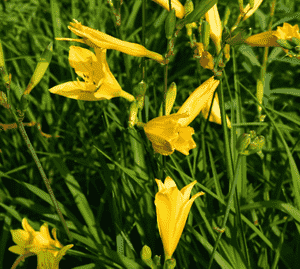
Dwarf yellow daylilies flourish optimally with ample sunlight, needing a minimum of six hours of direct sun each day.
2
Insufficient light exposure can result in fewer and smaller flowers on Dwarf yellow daylilies.
3
Apply a layer of mulch around Dwarf yellow daylilies to assist in moisture retention and shield their roots from temperature extremes.
Optimal Sunlight Requirements for Dwarf yellow daylily
Preferred Light Conditions
The Dwarf yellow daylily is celebrated for its toughness and charm, producing cheerful yellow blossoms throughout its active growth period. For peak development and abundant flowering, these plants favor full sun exposure. Full sun is characterized by receiving direct solar radiation for a minimum of six hours daily. When situated in a bright location, the Dwarf yellow daylily will reward you with vibrant, robust flowers that enhance your garden's appeal.
Ideal Hours of Direct Sunlight
For the Dwarf yellow daylily, the optimal duration is six hours. A minimum of six hours of unfiltered sunlight is crucial for this plant to thrive. Although it can endure partial sun, receiving around three to six hours of light, it is in full sun conditions that the plant truly excels. Ensuring your Dwarf yellow daylily gets sufficient sunlight will lead to more profuse and larger blooms, boosting its ornamental value.
Effects of Inadequate Sunlight on Dwarf yellow daylily
Signs of Insufficient Sunlight
When a Dwarf yellow daylily doesn't receive enough solar exposure, it will exhibit clear indicators of strain. Its foliage may turn pale or yellowish, and the plant will produce fewer flowers. Any blooms that do appear might be smaller and less vibrant. Furthermore, the plant's overall growth can be inhibited, making it seem weaker and more vulnerable to diseases and pests.
Consequences of Overexposure
While Dwarf yellow daylilies appreciate sunlight, an excess of anything can be detrimental. Excessive exposure to intense sunlight and heat, particularly in warmer climates, can lead to plant stress. Symptoms of overexposure include scorched leaves, wilting during the hottest part of the day, and a general decline in plant vitality. To prevent this, offer shade during peak heat times or ensure your daylilies receive adequate hydration.
How to Position Dwarf yellow daylily for Maximum Sunlight Exposure
Choosing the Right Spot in Your Garden
Selecting the ideal location in your garden for your Dwarf yellow daylilies is critical for their development. Seek out areas that receive consistent sunlight for most of the day. Ideally, opt for a south or west-facing position where the plants can soak in the morning and early afternoon sun. Raised areas or the edges of garden beds can be excellent choices to ensure they are not shadowed by taller plants or structures.
Using Garden Features to Enhance Light Exposure
Leverage garden features to boost light exposure for your Dwarf yellow daylilies. Reflective surfaces such as light-colored walls or fences can help direct extra sunlight onto your plants. Consider using trellises or arbors to support climbing plants in a way that prevents them from casting shadows over your daylilies. Another suggestion is to strategically place your daylilies within defined spaces where they won't be overshadowed by adjacent plants.
Seasonal Sunlight Adjustments for Dwarf yellow daylily
Spring and Summer
During spring and summer, when daylight hours are longer and solar intensity is higher, your Dwarf yellow daylilies will thrive with abundant sunlight. Ensure they receive at least six hours of direct sunlight daily. This is their primary period of growth and flowering, so full sun helps them achieve peak bloom production. Monitor their watering needs, as they might require more frequent irrigation during warmer days.
Fall and Winter
In autumn and winter, sunlight availability diminishes as days shorten. While Dwarf yellow daylilies enter a dormant phase during these seasons, positioning them in spots with maximum light exposure will aid them in storing energy for the subsequent blooming cycle. Avoid heavily shaded areas as this can negatively impact their overall health. It's also a good time to shield them from harsh winter weather using mulch or garden fabric.
Additional Tips for Managing Sunlight for Dwarf yellow daylily
Using Mulch and Ground Cover
Mulch and ground cover play a vital role in managing sunlight for your Dwarf yellow daylilies. Apply a layer of organic mulch around the base of your plants to help retain soil moisture, regulate soil temperature, and mitigate stress from fluctuating sunlight and heat. Mulch also assists in suppressing weeds that might compete for sunlight and nutrients.
Watering Strategies
Effective sunlight management is intrinsically linked with proper watering techniques. Ensure your Dwarf yellow daylilies are well-hydrated during long, sunny days to prevent dehydration. Water in the early morning to allow the soil to absorb moisture before the day's heat sets in. Avoid overhead watering to reduce the risk of scorching the foliage; instead, use drip irrigation or water at the base of the plants for optimal results.



