Enhancing Your Garden Design with the Dwarf yellow daylily Plant: A Landscaping Guide
1
The dwarf yellow daylily is an outstanding choice for introducing vivid hues and interesting textures to your outdoor space.
2
It flourishes under diverse circumstances, rendering it adaptable for many garden designs.
3
This dwarf yellow daylily requires minimal upkeep, making it an excellent option for both new and seasoned gardeners.
Introducing Dwarf Yellow Daylily in Garden Design
Overview of Dwarf yellow daylily's contribution to garden aesthetics
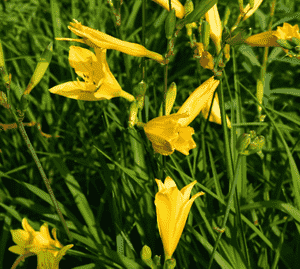
For enhancing your garden's visual appeal, few plants compare to Dwarf yellow daylily. Its striking yellow blossoms and rich green leaves can instantly brighten any area. This adaptable plant suits various garden styles, from rustic cottage gardens to sleek modern designs. Its compact size and vivid hue make it an excellent option for creating captivating displays and adding depth to your garden layout.
Advantages of integrating Dwarf yellow daylily into landscape plans
Incorporating Dwarf yellow daylily into your landscaping offers several perks. First, its bright yellow blooms can invigorate any drab spot in your garden. Second, Dwarf yellow daylily is remarkably resilient and thrives in diverse conditions, from full sun to partial shade, making it adaptable for different garden environments. Lastly, it's a low-maintenance plant requiring minimal care, perfect for gardeners of all skill levels.
Selecting the Optimal Site for Dwarf Yellow Daylily
Considerations for planting Dwarf yellow daylily
Choosing the right spot for Dwarf yellow daylily involves several key factors. The plant flourishes best in well-drained soil and needs a location with ample sunlight, though it can endure partial shade. It's crucial to ensure the soil isn't prone to waterlogging, as this can negatively impact its growth. Also, consider the plant's mature size to prevent overcrowding and guarantee sufficient room to thrive.
Ideal conditions and placement within the garden
For peak growth, position Dwarf yellow daylily in areas receiving at least six hours of sunlight daily. It can be planted along borders, in flower beds, or as part of a mixed plant arrangement. This plant works well as a ground cover or in mass plantings to create a vibrant sea of color. Avoid planting it in excessively shady spots, as this can lead to fewer blooms.
Design Concepts with Dwarf Yellow Daylily
Creating focal points using Dwarf yellow daylily
Dwarf yellow daylily can be effectively utilized to establish stunning focal points in your garden. One method is to plant it in clusters around a central feature like a garden statue or a birdbath. Its bright yellow flowers attract the eye and can make any garden element stand out. Additionally, Dwarf yellow daylily can be used to create contrast within your garden, especially when planted alongside darker-leaved foliage plants.
Complementary plants and colors for Dwarf yellow daylily
To enhance the beauty of Dwarf yellow daylily, consider pairing it with complementary plants and colors. Purple and blue flowering plants such as lavender or salvia can offer a striking contrast to the yellow blooms of Dwarf yellow daylily. Furthermore, plants with similar sun and soil needs, like hostas or ornamental grasses, can be excellent companions. Experimenting with various plant combinations can result in a visually appealing and dynamic garden landscape.
Caring for Dwarf Yellow Daylily in Your Landscape
General maintenance tips for Dwarf yellow daylily
Maintaining Dwarf yellow daylily is relatively simple, making it an ideal choice for busy gardeners. Consistent watering, particularly during dry periods, is essential for keeping the plant healthy. Mulching around the base can help retain soil moisture and suppress weeds. Additionally, removing spent flowers, known as deadheading, can encourage more blooms and keep the plant looking neat.
Seasonal care and considerations
Seasonal care is crucial for the sustained health and beauty of Dwarf yellow daylily. In spring, ensure the plant receives adequate water as it begins to grow. During summer months, regular watering and occasional feeding with a balanced fertilizer can promote vigorous growth. In fall, cut back the foliage to about an inch above the ground to prepare the plant for dormancy. This ensures it returns strong and vibrant the following year.
Dwarf Yellow Daylily's Impact on Biodiversity and Environment
Eco-friendly characteristics of Dwarf yellow daylily
Dwarf yellow daylily is not only attractive but also environmentally friendly. It is known for its drought tolerance, meaning it requires less water, thereby conserving water resources. Additionally, because it thrives without the need for chemical fertilizers and pesticides, it contributes to a healthier garden ecosystem. This makes Dwarf yellow daylily an excellent choice for environmentally-conscious gardeners.
Attracting local wildlife with Dwarf yellow daylily
Another significant advantage of incorporating Dwarf yellow daylily into your garden is its capacity to attract local wildlife. The bright yellow flowers are particularly appealing to pollinators such as bees and butterflies, which play a vital role in the ecosystem. By planting Dwarf yellow daylily, you are helping to support local wildlife populations and foster biodiversity in your garden.



