How Much Sunlight Do Shrubby Haloragis Need?
1
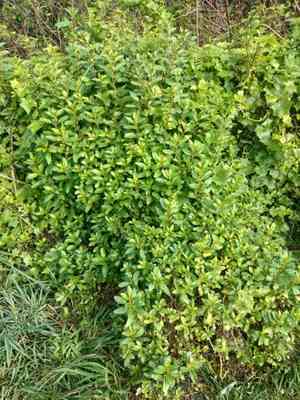
Shrubby Haloragis flourishes with over 6 hours of direct sun exposure each day.
2
It endures some shade but favors abundant light for peak development.
3
Observe for faded foliage as an indicator of inadequate light.
Optimal Illumination for Shrubby Haloragis
Unfiltered Sun Exposure
For peak development and vivid foliage, Shrubby Haloragis thrives in areas with unfiltered sun exposure. This means the plant needs a minimum of 6 hours of direct sunlight daily. Full sun guarantees the plant receives ample energy for efficient photosynthesis, leading to lush, robust growth. Gardens and open areas unshaded by trees or structures are perfect for cultivating Shrubby Haloragis.
Partial Shade Adaptability
Shrubby Haloragis can also tolerate locations with partial shade, though it's not the most favorable condition. In partial shade, the plant will still grow but might lack vigor. Its foliage may be less dense, and the plant could become elongated as it reaches for light. If you opt to plant Shrubby Haloragis in a partially shaded spot, ensure it still gets at least 3-4 hours of direct sun, ideally in the morning when light intensity is lower.
Assessing Light Sufficiency for Shrubby Haloragis
Indicators of Sufficient Sunlight
When Shrubby Haloragis receives adequate sunlight, you'll observe several positive indicators. The leaves will be vibrant and green, and the plant's overall structure will be sturdy and upright. Growth will be consistent, and the plant will produce more flowers, enhancing its aesthetic appeal. Furthermore, plants with ample light are typically more resistant to pests and diseases.
Indicators of Insufficient Sunlight
If Shrubby Haloragis isn't getting enough light, the most obvious sign will be pale or yellowing leaves. The plant may also become spindly as it attempts to reach for more light, making it appear weak and sparse. Additionally, inadequate sunlight can result in fewer blooms and a generally less robust plant. Comparatively, plants receiving insufficient light are more prone to pests and diseases.
Best Practices for Managing Sunlight Exposure
Strategic Garden Placement
To ensure your Shrubby Haloragis gets the correct amount of sunlight, carefully consider its placement. Select a garden spot that receives the most sunlight throughout the day. A south-facing area would be ideal as it typically gets sunlight from morning until late afternoon. Regularly monitor light levels and make necessary adjustments by trimming overhanging branches or relocating the plant to a sunnier spot if needed.
Utilizing Artificial Light Sources
For indoor or shaded areas where natural sunlight is limited, artificial grow lights offer a viable solution. Employ full-spectrum LED grow lights, which mimic natural sunlight, to provide the energy Shrubby Haloragis requires for healthy growth. Position the lights approximately 30-45 centimeters (12-18 inches) above the plant and keep them on for about 12-16 hours daily to supplement the natural light it receives.
Seasonal Light Changes and Shrubby Haloragis
Light Requirements During Spring and Summer
During spring and summer, Shrubby Haloragis demands the most sunlight. Ensure the plant receives at least 6 to 8 hours of direct sunlight daily during these active growth periods. The abundance of sunlight during these months supports optimal photosynthesis, leading to vigorous growth and flowering. You might also need to water more frequently, as increased sunlight can accelerate soil moisture evaporation.
Adapting to Fall and Winter Light Conditions
As daylight hours shorten in fall and winter, Shrubby Haloragis can manage with reduced sunlight, provided it still gets around 4-5 hours of direct light. If indoors, consider placing your plant near a south-facing window to maximize light exposure. You can also use grow lights as a supplement during these shorter days to ensure your plant remains healthy and resilient through the colder months.
Common Errors in Sunlight Management
Excessive Sunlight Exposure
While sunlight is vital, too much can harm your Shrubby Haloragis. Overexposure can cause sunburn, evidenced by scorched, brown, or crispy leaves. To prevent this, avoid placing your plant in a location that receives intense afternoon sun, especially in very hot climates. Providing some afternoon shade or using a sheer curtain for indoor plants can help reduce the risk of sunburn.
Insufficient Sunlight Exposure
Conversely, not providing enough sunlight can be equally detrimental. Underexposure leads to weak, leggy growth and pale, unhealthy leaves. Ensure your Shrubby Haloragis receives the minimum required daily sunlight, and if natural light is insufficient, use artificial lighting to compensate for the deficit. Regularly assess the plant's light conditions and adjust as necessary to maintain its health and vigor.



