How to Prune Shrubby Haloragis?
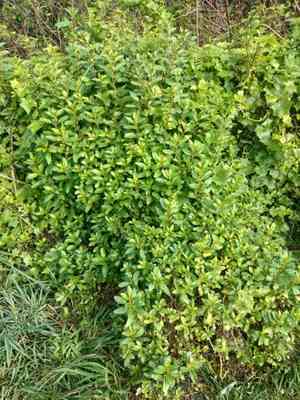
This perennial woody plant is recognized for its vertical habit and diminutive, inverted egg-shaped foliage. Trimming shrubby Haloragis involves removing lifeless or fragile stalks to preserve its form and foster denser development. The ideal period for pruning is in winter, when the plant is inactive. Judicious trimming can improve air circulation, lower the likelihood of illness, and stimulate fresh development. Avoid extensive cutting to prevent stressing shrubby Haloragis, as it thrives with gentle, consistent upkeep.
What Are the Benefits of Pruning Shrubby Haloragis?
What Are the Benefits of Pruning Shrubby Haloragis?
Trimming shrubby Haloragis encourages robust development and helps preserve its intended shape. Regular cutting fosters a denser, more vital structure, enhancing its decorative appeal.
What Is the Best Time for Pruning Shrubby Haloragis?
What Is the Best Time for Pruning Shrubby Haloragis?
Pruning shrubby Haloragis from late winter to early spring enables gardeners to eliminate any dead or damaged limbs, which could become more problematic if neglected throughout the growing season. Pruning at this time aids in preventing disease and pests from entering the wounds created by the trimming process, as many pests are less active during colder months. Furthermore, cutting back the plant before its active growth period ensures that new growth will be strong and healthy. It also allows gardeners to shape the plant while it is still relatively dormant, thereby minimizing stress on shrubby Haloragis. Removing unnecessary branches before the start of the growing season permits the plant to direct its energy towards producing vigorous new growth and flowering, improving its overall performance and appearance throughout the growing period.
What Tools Do I Need to Prune Shrubby Haloragis?
Hand Pruners
Perfect for severing stems and small branches up to 3/4 inch thick, which is typical for shrubby Haloragis.
Loppers
Useful for reaching into the shrub and cutting thicker stems that hand pruners cannot manage, typically up to 1 1/2 inches in diameter.
Pruning Saw
Recommended for cutting branches exceeding 1 1/2 inches in thickness, which may occasionally occur in older or more established shrubby Haloragis specimens.
Hedge Shears
Effective for shaping and managing the overall form of shrubby Haloragis, creating a tidy, structured appearance when needed.
How to Prune Shrubby Haloragis
Clean Tool
Before starting the pruning process, ensure all cutting tools are clean and sharp to prevent disease spread and to make precise cuts that promote faster healing for shrubby Haloragis.
Sanitize Tools
Disinfect pruning tools with a solution of one part bleach to nine parts water to further reduce the risk of infecting shrubby Haloragis during cutting.
Remove Withered Leaves
Carefully remove any withered leaves from shrubby Haloragis by cutting them off at the base of the stem where they meet the main branch. This will help direct the plant's energy toward healthier growth.
Cut Dead Branches
Trim dead branches by making cuts at a 45-degree angle just above a living bud or side branch on shrubby Haloragis. This angle helps shed water away from the cut surface, reducing the chance of disease.
Clip Diseased Branches
Identify and clip diseased branches on shrubby Haloragis, ensuring you cut well below the affected area to prevent pathogen spread. Dispose of these cuttings away from healthy plants to avoid cross-contamination.
Common Pruning Mistakes with Shrubby Haloragis
Over-Pruning
Removing too much foliage from shrubby Haloragis at once can stress the plant and lead to poor growth or even death.
Improper Cuts
Making cuts too close to the main stem or leaving stubs can lead to disease and pest infestations in shrubby Haloragis.
Tearing Bark
When cutting larger branches, there's a risk of tearing the bark if cuts are not executed properly, which might harm shrubby Haloragis's health.
Using Dull Tools
Dull pruning tools can cause jagged cuts and damage to shrubby Haloragis, making the plant more susceptible to diseases.
Neglecting Hygiene
Not cleaning tools between uses can spread diseases from infected plants to healthy ones like shrubby Haloragis.
Pruning For Size Alone
Cutting shrubby Haloragis solely for size without considering shape and health can create an unbalanced plant and diminish its aesthetic.
Common Pruning Tips for Shrubby Haloragis
Sharp Tools
Use clean, sharp tools to make precise cuts that heal quickly, reducing the chance of disease affecting shrubby Haloragis.
Cutting Angle
Cut branches at a 45-degree angle to prevent water accumulation and promote healing in shrubby Haloragis.
Selective Thinning
Remove only the necessary branches to maintain air circulation and light penetration, promoting shrubby Haloragis's health and vigor.
Maintain Shape
Prune shrubby Haloragis to maintain its natural form, removing only what’s necessary for plant health and desired size.
Protect The Collar
When trimming branches, avoid cutting into the branch collar to protect shrubby Haloragis from infections and encourage proper healing.
Follow Natural Growth
Pruning should accentuate shrubby Haloragis's natural growth pattern rather than going against it, resulting in less stress and a healthier plant.



