How to Propagate Shrubby Haloragis?
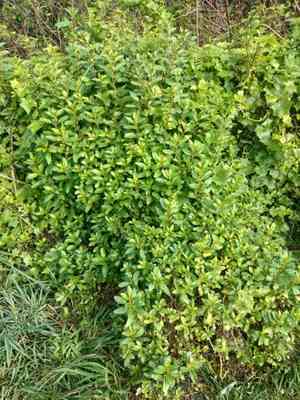
Haloragis, a shrub-like plant, is effectively multiplied via cuttings, offering a convenient method for cultivators. For best root development, choose vigorous, non-blooming stems and make precise cuts beneath the leaf junctions. To improve outcomes, it's recommended to apply rooting stimulant before inserting the cuttings into a damp, free-draining substrate. Steady moisture and warmth facilitate the rooting process, while preventing excessive wetness safeguards the cuttings' well-being. After rooting, slowly introducing them to normal environmental conditions will produce strong plants that mirror the traits of the original specimen.
Optimal Time for Shrubby Haloragis Propagation
Propagation Type
Cutting
Propagation Season
Spring,Summer
Tools Required for Shrubby Haloragis Propagation
Sharp Pruning Shears
Crucial for obtaining clean, precise cuts from shrubby Haloragis. These shears facilitate a smooth incision, minimizing harm to both the parent and new plants, which is vital for proper healing and root formation. Sharp, sanitized pruning shears lower the risk of introducing pathogens that could hinder propagation success.
Rooting Hormone Powder or Gel
Accelerates root growth from shrubby Haloragis cuttings. Dipping the freshly cut end of the cutting into the rooting hormone significantly boosts the likelihood of successful rooting. This is particularly beneficial for hardwood cuttings of shrubby Haloragis, which might root more slowly or with difficulty without hormonal aid.
Sterilized Potting Mix
Offers a clean, regulated environment for shrubby Haloragis cuttings to root. Sterilization prevents harmful pathogens or pests that could damage cuttings before successful rooting. An ideal mix drains well yet retains moisture to support delicate new roots without waterlogging.
Small Pots or Trays
Essential for individually planting shrubby Haloragis cuttings. Utilizing small pots or trays helps manage moisture levels and root space more effectively during the initial rooting and growth phases. It's important these containers have adequate drainage to prevent excessive water retention.
Plastic Wrap or Humidity Dome
Establishes a moist microenvironment around shrubby Haloragis cuttings. Maintaining high humidity around cuttings is crucial to prevent them from drying out before they can develop roots. The dome or wrap must be periodically opened for fresh air circulation and to deter mold growth.
How to Propagate Shrubby Haloragis?
Propagation Type
Moderately Difficult
Caring for Your Newly Propagated Shrubby Haloragis
Caring for Your Newly Propagated Shrubby Haloragis?
Once roots are established, gradually introduce the new shrubby Haloragis plants to the environmental conditions of their permanent location. Transition them to more direct light over one to two weeks to prevent shock. Water the new plants consistently as they settle, and apply a balanced, slow-release fertilizer to encourage growth. Shrubby Haloragis prefers well-drained soil, and while it tolerates various conditions, it should be protected from extreme cold and overly wet soil to avoid root rot.
Common Errors to Avoid When Propagating Shrubby Haloragis
Over-watering cuttings
Excessively moist soil can lead to rot in shrubby Haloragis cuttings. Over-watered cuttings are susceptible to fungal infections that can kill them before they have a chance to root.
Using non-sterile tools
Tools that haven't been properly cleaned can introduce pathogens to shrubby Haloragis cuttings or plant tissue, potentially leading to poor health or death of the propagated material.
Neglecting humidity levels
Shrubby Haloragis may require a specific level of humidity when propagating from cuttings. Insufficient humidity can cause the cuttings to dry out before they establish roots.
Planting cuttings too deep
Inserting shrubby Haloragis cuttings too far into the medium can cause the stem to rot before it can root, as it might restrict necessary air circulation around the stem.
Ignoring health of parent plant
Taking cuttings from an unhealthy shrubby Haloragis specimen can result in weak or diseased offspring, reducing the chances of successful propagation.
Tips For Propagating Shrubby Haloragis
Use healthy parent plants
Choose a robust and healthy specimen of shrubby Haloragis to ensure the cuttings have the best opportunity to root successfully and develop into strong plants.
Moisture control
Achieve a balance with moisture levels; the soil should be moist but not waterlogged to prevent rot and promote rooting in shrubby Haloragis cuttings.
Sterilize all equipment
Always use sanitized tools when taking cuttings or handling plant material to prevent introducing diseases to shrubby Haloragis.
Monitor humidity levels
Create a humid microclimate for shrubby Haloragis cuttings by using a humidity dome or a plastic bag to prevent them from drying out.
Rooting hormone use
Applying a rooting hormone to the base of shrubby Haloragis cuttings can encourage faster and more consistent root development.
Proper planting depth
Plant cuttings at the correct depth, ensuring that not too much of the stem is buried for shrubby Haloragis to aid in successful rooting.



