How Much Sunlight Do Two-wing silverbell Need?
1
Two-wing silverbell flourishes optimally with more than 6 hours of daily sun exposure.
2
This attractive blooming tree can endure some shade but favors ample sunlight for abundant flowering.
3
Observing your Two-wing silverbell's condition is crucial for properly modifying its light intake.
How Much Sunlight Does Two-wing silverbell Need?
Optimal Sun Exposure
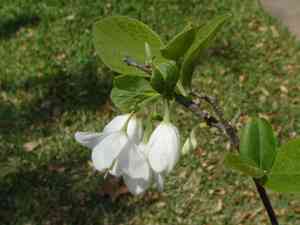
The Two-wing silverbell is a lovely deciduous tree known for its beautiful white, bell-shaped flowers. For best development, this tree thrives in full sun conditions, meaning it should receive at least six hours of direct sunlight daily. Full sun exposure helps the tree produce more blooms and maintain vibrant foliage throughout its active growth period.
Seasonal Sunlight Variation
While the Two-wing silverbell enjoys ample sunlight, it's crucial to understand how seasonal changes impact its light requirements. During spring and summer, when the tree is actively growing and flowering, it needs more sunlight to fuel photosynthesis. Conversely, in colder months, when the tree is dormant, its sunlight needs decrease. Therefore, always ensure your Two-wing silverbell receives the appropriate amount of sunlight for the current season.
Daylight Hours to Aim For
As a general guideline, aim for at least 6 to 8 hours of daily sunlight for your Two-wing silverbell. Morning sunlight is especially beneficial as it helps dry off dew, preventing fungal diseases. In regions with intense afternoon sun, providing some protection during peak times can prevent leaf scorching. Monitoring daylight hours and adjusting as needed will ensure your tree remains healthy year-round.
Identifying Proper Sunlight for Two-wing silverbell
Signs of Adequate Sunlight
To confirm your Two-wing silverbell is receiving sufficient sunlight, look for lush, green leaves and abundant flowering. Healthy foliage and plentiful blooms are clear indicators that your tree gets enough light. Additionally, a robust growth habit and resistance to pests and diseases suggest optimal sunlight exposure.
Indicators of Too Much or Too Little Sun
Conversely, signs of excessive sunlight include leaf scorching, where leaves turn brown and brittle. If your Two-wing silverbell isn't getting enough sunlight, you might observe sparse flowering, yellowing leaves, and a leggy growth pattern. Adjusting the tree's placement or providing shade during the hottest parts of the day can resolve these issues.
Best Planting Locations for Optimal Sunlight
Choosing the Right Spot in Your Garden
When selecting a planting site for your Two-wing silverbell, choose an area that receives ample sunlight throughout the day. An east-facing position can be ideal as it gets plenty of morning sun while avoiding the harshest afternoon rays. Ensure the location offers good air circulation and is away from structures that could cast shadows.
Sunlight Patterns to Consider
It's essential to observe the sunlight patterns in your garden throughout the year. Note areas that receive the most light during different seasons and times of day. This observation will help you find the best spot for your Two-wing silverbell to thrive. Remember, an area that gets full sun in summer might receive much less in winter due to the sun's lower angle, so plan accordingly.
Adjusting Sunlight for Two-wing silverbell in Different Climates
Cold Climate Considerations
In colder climates, planting your Two-wing silverbell in a location that maximizes sun exposure is vital. South-facing spots that capture the most sunlight can help the tree stay warmer and healthier through frosty winters. Additionally, consider using mulch to protect the root system and retain moisture.
Hot Climate Adjustments
For those in hotter climates, ensuring your Two-wing silverbell gets morning sunlight while being shielded from intense afternoon heat can prevent damage. You might use shade cloths or strategically placed companion plants to provide necessary relief during peak sunlight hours. Regularly check soil moisture as hot conditions can lead to quicker drying.



