How to Propagate Two-wing silverbell?
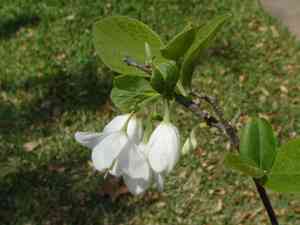
The two-wing silverbell, a charming decorative tree, flourishes when reproduced via cutting techniques. Incorporate organic material into the substrate to foster root growth. For cuttings, choose robust, semi-hardwood sections and apply a rooting stimulant to boost successful establishment. Ensure steady hydration and offer diffused illumination until the root system is firmly in place. This method assists in safeguarding the genetic purity of the two-wing silverbell, guaranteeing that the new plants inherit the desired traits of the original specimen.
Optimal Period for Two-wing Silverbell Propagation
Propagation Method
Cutting
Propagation Period
Autumn,Winter
Tools Utilized for Two-wing Silverbell Propagation
Sharp pruning shears
Sharp pruning shears are vital for making clean, precise cuts on two-wing silverbell branches, which is necessary for cutting propagation. Their sharpness prevents tissue damage, which could impede rooting and growth. Clean cuts minimize stress on cuttings, encouraging better and faster root development.
Rooting hormone
Rooting hormone in powder or gel form boosts the rooting success of two-wing silverbell cuttings. Applying it to the freshly cut stem base stimulates quicker root growth and increases the likelihood of successful propagation. This tool is especially beneficial for woody plants like two-wing silverbell, which might otherwise root slowly or with difficulty.
Sterile potting mix
A sterile potting mix offers a pathogen-free, controlled environment, essential for the delicate initial stages of rooted cuttings. For two-wing silverbell, a well-draining, light mix aids aeration and moisture management, allowing roots to develop without waterlogging, which can cause rot.
Propagation tray with humidity dome
This tool helps maintain the necessary high humidity and stable temperature for two-wing silverbell cuttings. The dome retains air moisture, reducing water loss from cuttings and improving rooting success. Consistent conditions under the dome support uniform new root growth.
Misting bottle
Regular misting with a fine spray bottle keeps two-wing silverbell cuttings moist but not excessively wet. This tool is crucial for preventing cuttings from drying out, especially before roots develop. Misting also helps moderate temperature fluctuations and maintain high humidity around the cuttings.
How to Propagate Two-wing Silverbell?
Propagation Type
Moderately Difficult
How to Care for Your Newly Propagated Two-wing Silverbell?
How to Care for Your Newly Propagated Two-wing Silverbell?
Post-propagation, keep the soil consistently moist but avoid saturation. Position two-wing silverbell in an area receiving partial to full sunlight. As the plant establishes, gradually lower humidity by removing the plastic cover. Continue to inspect the plant for pests and diseases. Once the cutting has developed roots and new growth is visible, repot into a larger container or transplant to its permanent garden spot.
Common Mistakes to Avoid When Propagating Two-wing Silverbell
Overwatering
Excessive watering of two-wing silverbell can lead to root rot, impairing the plant's ability to absorb nutrients and water, ultimately hindering healthy development.
Deep planting
Planting two-wing silverbell cuttings or seeds too deeply can impede proper germination and root emergence due to insufficient light exposure and reduced oxygen availability.
Ignoring pre-treatment
Failing to apply appropriate pre-treatment methods, such as cold stratification for seeds, can result in poor germination rates as two-wing silverbell requires specific conditions to break dormancy.
Using poor soil mix
Employing a low-quality soil mix that drains poorly or lacks essential nutrients can lead to inadequate root development and overall weak growth in two-wing silverbell.
Tips For Propagating Two-wing Silverbell
Appropriate moisture level
Maintaining a balance by keeping the soil moist but not saturated is crucial for two-wing silverbell's root health and overall propagation success.
Shallow planting
Ensuring that seeds or cuttings are planted shallowly will help facilitate light exposure and better oxygen flow, enhancing the chances of successful germination and rooting.
Seed pre-treatment
Applying cold stratification to the seeds of two-wing silverbell mimics natural winter conditions, promoting the break of dormancy and increasing germination success.
High-quality soil mix
Using a well-draining, nutrient-rich soil mix supports robust root development and overall vigor in two-wing silverbell, providing a solid foundation for growth.



