The Two-wing silverbell Plant Advantage: Maximizing Home and Office Appeal and Wellness
1
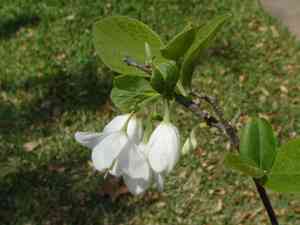
Two-wing silverbell enhances any garden with its lovely spring flowers.
2
Its fruits draw in diverse bird species, boosting local wildlife.
3
This plant is easy to care for and improves soil quality through its natural development.
What is Two-wing silverbell and Why Is It Special?
Unique Aesthetic Appeal
Two-wing silverbell is celebrated for its elegant, bell-shaped blossoms that appear in spring. These delicate, white to pinkish blooms offer a stunning visual, making the plant an ideal decorative addition to gardens and landscapes. The flowers often hang in clusters, providing a soft, flowing appearance that enhances the beauty of its surroundings.
Seasonal Visual Interest
Beyond its spring flowers, Two-wing silverbell also offers appeal throughout the year. Its rich green foliage forms a pleasant canopy in summer, transforming into vivid autumn colors, and presenting a sculptural quality in winter with its distinctive branch patterns.
How Does Two-wing silverbell Benefit Local Wildlife?
Attracting Pollinators
A significant ecological advantage of Two-wing silverbell is its capacity to draw in various pollinators, such as bees and butterflies. The plant's flowers serve as a nectar source, thereby supporting the local pollinator population, which is vital for maintaining a healthy ecosystem.
Providing Food for Birds
The fruits of Two-wing silverbell are a favorite among diverse bird species. By cultivating Two-wing silverbell in your garden, you not only boost its aesthetic charm but also contribute to the local food web, supporting avian biodiversity.
What Are the Growth Requirements of Two-wing silverbell?
Optimal Soil Conditions
Two-wing silverbell thrives best in well-draining, slightly acidic to neutral soils. It is quite adaptable and can tolerate various soil types, provided they are not excessively waterlogged. Incorporating organic compost can improve soil quality, encouraging vigorous growth.
Sunlight and Water Needs
While Two-wing silverbell prefers full sun to partial shade, it's crucial to ensure it gets sufficient sunlight for optimal blooming. Consistent watering, especially during dry periods, will keep Two-wing silverbell healthy and vibrant. However, avoid over-watering as it can lead to root rot.
How to Use Two-wing silverbell in Landscape Design?
Creating Focal Points
Due to its ornamental qualities, Two-wing silverbell is excellent for establishing focal points in garden design. Plant it as a solitary specimen or integrate it into mixed borders to add layers of visual interest. Its cascading flowers can create a picturesque centerpiece in any landscape.
Companion Planting Ideas
Two-wing silverbell pairs well with other native shrubs and perennials. Consider planting it alongside plants with contrasting foliage and bloom times, such as azaleas or rhododendrons, to create a dynamic and seasonally diverse garden.
What Maintenance Tips Should You Consider?
Pruning Advice
Two-wing silverbell requires minimal pruning; however, occasional trimming can help maintain its form and remove any dead or damaged branches. The ideal time for pruning is immediately after the flowering period to avoid cutting off next yearâs buds.
Pest and Disease Management
Two-wing silverbell is relatively resistant to pests and diseases. Monitoring for common garden pests like aphids or caterpillars and taking prompt action can prevent infestation. Ensure good air circulation around the plant to minimize the risk of fungal diseases.



