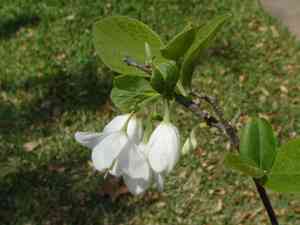
Two-wing silverbell (Halesia diptera)
Also known as: Two-winged silverbell
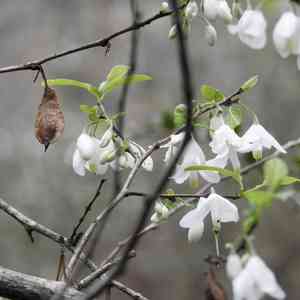
The Two-Wing Silverbell (Halesia diptera) is known for its beautiful clusters of white, bell-shaped flowers that bloom in the spring. The tree is named for its distinctive two-winged fruit, which is a favorite snack for squirrels. It typically flourishes in swampy regions as well as near streams and riverbanks.
In This Article
Attributes of Two-wing silverbell
Lifespan
Perennial
Plant Type
Tree, Shrub
Plant Height
4.5 m to 9 m
Spread
6 m to 9 m
Leaf Color
Green Yellow
Flower Size
2.5 cm to 8 cm
Flower Color
White
Images of Two-wing silverbell

Quickly Identify Two-wing silverbell
1
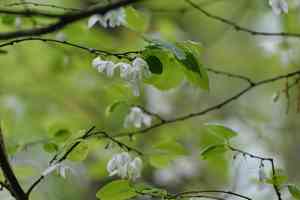
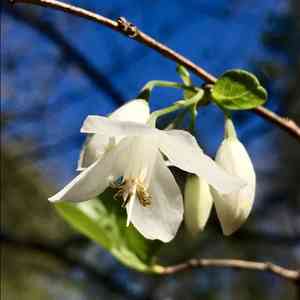
Bell-shaped white flowers with pink tinges, 1 inch (2.5 cm) diameter, fragrant, cascading clusters.
2
Simple, broad leaves, 2-5 inches (5-12 cm), glossy texture, serrated edges, pinnate veins.
3
Distinctive trunk striping in youth, textured bark with scaling layers as it matures.
Scientific Classification of Two-wing silverbell
Phylum
Vascular plants
Class
Dicotyledons
Order
Ericales
Family
Storax
Genus
Silverbells
Species
Two-wing silverbell
Planting and Growing of Two-wing silverbell
Care Difficulty
Easy
Watering Schedule
Every 3 days
Sunlight Requirements
Full sun
Sunshine Duration
4-8 hours
Ideal Temperature
60-75℉
Soil Type
Potting Mix, Peat Mix
Soil pH
5.5-7
Fertilizer Type
Balanced
Pruning Season
Spring, Summer
Pruning Area
Branches, Leaves
Pruning Frequency
Once a year
Repotting Season
Spring
Pot Type
Terracotta, Plastic
 How to Water Two-wing silverbell?
When watering Halesia diptera, ensure that each session delivers about 500 ml of water per plant. The goal is to keep the soil consistently moist but not waterlogged. Check the top inch of the soil; if it feels dry, it's time to water. This method helps maintain the delicate balance of moisture that the plant prefers.
What are the symptoms of an underwatered Two-wing silverbell?
›
What should I do if my Two-wing silverbell is not getting enough water?
›
What are the symptoms of an overwatered Two-wing silverbell?
›
How to save an overwatered Two-wing silverbell?
›
 What Are the Sunlight Requirements for Two-wing silverbell?
Halesia diptera thrives best with half to full day sunlight, translating to 5 to 8 hours of exposure. Such conditions promote its growth, enhancing floriferous quality and ensuring strong structural development in the thriving season.
More About Sunlight Requirements Techniques→
What is the ideal light for Halesia diptera?
›
How can I ensure Halesia diptera gets optimal light?
›
What benefits result from ideal lighting for this plant?
›
 What Is the Ideal Temperature Range for Two-wing silverbell?
The ideal temperature range for Halesia diptera is between 60°F and 75°F. This range provides optimal conditions for the plant's growth and development, maintaining its health and vigor. Consistent temperatures within this range ensure that the plant can photosynthesize efficiently and sustain its metabolic processes, leading to a robust and thriving plant.
 What Soil is Best for Two-wing silverbell?
Halesia diptera thrives in well-drained soils, ensuring water does not stagnate around the roots. This is essential for preventing root rot and promoting healthy growth, as excess moisture can harm the root system. To flourish, Halesia diptera requires nutrient-rich soil. The presence of organic matter aids in providing essential nutrients and supports vigorous growth, critical for lush foliage and abundant flowering. While good drainage is key, the soil should still retain some moisture to provide a consistent water supply. This balance helps in maintaining a stable environment essential for the plant’s growth and flowering.
 How to Fertilize Two-wing silverbell?
Halesia diptera, commonly known as the two-winged silverbell, requires moderate fertilization. When using a balanced liquid fertilizer, dilute it to half-strength for optimal absorption. For granular or slow-release fertilizers, spread according to package instructions, typically around one to two pounds per inch of trunk diameter. This nutrient boost supports moderate growth without overwhelming the plant's natural processes.
 How to Prune Two-wing silverbell?
Begin your pruning by inspecting the shrub for any dead or diseased wood. These should be removed completely back to healthy tissue to prevent the spread of disease and to encourage healthier growth. Prune the interior branches to improve light penetration and air flow, which helps prevent mildew and pests. Thin out the center slightly over time to promote a robust structure with a pleasing shape. Cut back any long, leggy stems by about a third to stimulate new growth. This will help maintain the overall shape and fullness of the plant, ensuring a healthy and attractive appearance.
More About Pruning Techniques→
 How to Propagate Two-wing silverbell plant?
1
Collect seeds from mature Halesia diptera fruits and allow them to dry. It's crucial to clean the seeds thoroughly to prevent mold and disease before planting.
2
Plant the seeds in seed trays filled with a well-draining potting mix. Ensure the seeds are covered lightly with soil and water them gently to maintain soil moisture.
3
Select healthy, non-flowering shoots around 10-15 cm long. Remove the lower leaves and place the cuttings in a rooting hormone before planting them into a moist potting medium.
 How to Repot Two-wing silverbell plant?
1
Repot your Halesia diptera when you notice roots starting to emerge from the drainage holes. This is a clear sign that the plant is becoming root-bound and it is time to give it more space. Additionally, consider repotting if you observe that its growth has stunted despite adequate care, which can often indicate that the current container has become too small.
2
Select a pot that is 2 to 3 inches larger in diameter than the current one. It's best to choose a pot with good drainage to ensure that excess water can escape, preventing root rot. A wider and slightly deeper pot allows the roots to spread more effectively, providing ample support for future growth.
3
Opt for well-drained loamy soil enriched with organic matter. This kind of soil provides the necessary nutrients and ensures adequate aeration for the roots. Proper drainage prevents waterlogging, which is essential for healthy root development and overall plant vitality.



