How to Prune Two-wing silverbell?
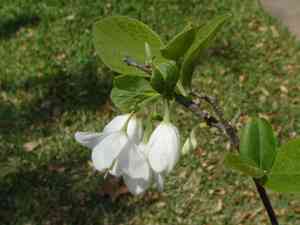
Optimal pruning for two-wing silverbell occurs in late winter or early spring, involving the elimination of deceased, ailing, or frail branches to preserve the plant's vitality and structure. Reducing dense branches facilitates the entry of light and air into the foliage, thereby boosting its blooming capacity. Consistent trimming also contributes to deterring pest outbreaks and fostering robust development. It is crucial to thoughtfully retain the plant's inherent shape, refraining from severe reduction to uphold its visual charm.
Advantages of Trimming Two-wing Silverbell
Advantages of Trimming Two-wing Silverbell
Trimming two-wing silverbell encourages robust development and maintains its desired form. Precise cuts improve the plant's structure and stimulate new growth, ensuring two-wing silverbell stays healthy and visually appealing.
Optimal Time for Trimming Two-wing Silverbell
Optimal Time for Trimming Two-wing Silverbell
Trimming two-wing silverbell in late winter or early spring is beneficial because the plant is inactive, reducing stress and sap loss. This timing allows for the removal of damaged or diseased wood before new growth starts, promoting a healthy growing season. Furthermore, since two-wing silverbell flowers on the prior year's growth, pruning at this time will not sacrifice the current year's blossoms, preserving the aesthetic and ecological benefits of its bloom.
Tools Required for Trimming Two-wing Silverbell
Hand Pruners
Perfect for cutting small branches and twigs on two-wing silverbell. Their sharp blades ensure clean cuts without harm, supporting healthy development.
Loppers
Featuring long handles for leverage, loppers are suitable for severing thicker, medium-sized branches. They allow gardeners to access dense growth without harming the structure of two-wing silverbell.
Pruning Saw
For the largest branches that hand pruners or loppers cannot manage, a pruning saw is essential. Its serrated edge enables cutting through thick wood without injuring two-wing silverbell.
Pole Pruner
When dealing with higher branches of two-wing silverbell, a pole pruner is the preferred tool. It enables gardeners to safely trim branches from the ground.
Hedge Shears
Though not typically used for detailed pruning, hedge shears can be useful if shaping two-wing silverbell as part of a hedge. Use only for light trimming of outer foliage.
How to Trim Two-wing Silverbell
Sanitize
Disinfect your pruning tools with isopropyl alcohol or a 10% bleach solution to prevent the spread of disease during pruning.
Identify
Carefully inspect two-wing silverbell for dead or diseased branches. Look for branches that are broken, leafless, have discolored bark, or visible signs of infection.
Cut
Using sharp, clean pruning shears or a saw, make cuts at a 45-degree angle approximately 1/4 inch above a healthy bud or branch when removing dead or diseased branches. Ensure cuts are clean and avoid tearing the bark.
Dispose
Remove all cut branches from the area around two-wing silverbell to prevent the spread of disease and to discourage pests from inhabiting the fallen debris.
Seal
Although two-wing silverbell typically does not require wound sealant due to its ability to compartmentalize wounds, monitor the pruning sites for signs of decay and apply a tree wound sealant if necessary.
Common Trimming Errors with Two-wing Silverbell
Excessive Pruning
Removing too much foliage or too many branches at once can stress two-wing silverbell, potentially leading to reduced vigor or susceptibility to diseases and pests.
Improper cuts
Incorrect cutting techniques, such as leaving stubs or tearing bark, can create entry points for pathogens and inhibit two-wing silverbell's natural healing processes.
Neglecting tool hygiene
Using dirty pruning tools can introduce diseases to two-wing silverbell, especially if the tools were previously used on infected plants.
Shearing
Two-wing silverbell has a natural shape that is best preserved by selective pruning; shearing can result in a less natural appearance and may jeopardize its health and flowering potential.
Ignoring diseased or damaged limbs
Failing to remove limbs that are diseased, damaged, or dead can hinder two-wing silverbell's growth and health, as these can become vectors for disease or pest infestation.
General Trimming Advice for Two-wing Silverbell
Clean cut
Make clean cuts at a slight angle, about 1/4 inch above a bud facing the outside of two-wing silverbell, to promote outward growth and prevent water from accumulating on the cut surface.
Selective pruning
Practice selective pruning by removing only the branches that are necessary, such as those that are crossing, rubbing, or growing inward, to maintain two-wing silverbell's natural shape and encourage air circulation.
Tool maintenance
Always use sharp, clean pruning tools to make precise cuts and prevent the transmission of diseases to two-wing silverbell.
Thin crowded areas
Thin out crowded areas to ensure adequate light penetration and air flow, which are essential for two-wing silverbell's overall health and bloom production.
Gradual rejuvenation
If rejuvenation pruning is necessary, do it gradually over several seasons to avoid shocking two-wing silverbell and to allow it to recover more effectively.



