How Much Sunlight Do Harvestbells Need?
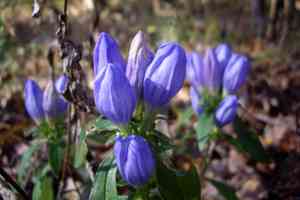
1
Harvestbells flourish with over six hours of direct daily sun exposure.
2
Harvestbells can also grow in areas with some shade, particularly in warmer periods.
3
Supplemental grow lights can compensate for insufficient natural light indoors.
What are the Illumination Requirements for Harvestbells?
Optimal Daily Sun Exposure
Harvestbells are heliophilic plants that thrive best with ample sunlight. Ideally, they need over 6 hours of direct sun daily. This level of exposure supports efficient photosynthesis, promoting vigorous growth and vibrant flowers. However, during hot summer periods, they can endure partial sun, which safeguards the plant from potential heat stress.
Sunlight Varieties: Direct vs. Filtered
Understanding the distinction between direct and filtered sunlight is crucial for optimal Harvestbells care. Direct sunlight occurs when rays hit the plant unimpeded, while filtered light passes through a medium like a window, curtain, or tree canopy. Though Harvestbells flourish in direct sun, they can also grow well with filtered light, particularly during peak afternoon hours when sun intensity is highest.
How to Ensure Your Harvestbells Receives Sufficient Light?
Selecting the Appropriate Placement
The placement of your Harvestbells is key to its light exposure. Position your plant where it will get abundant morning sun and some afternoon shade. For outdoor planting, choose a spot not obstructed by tall structures or trees. If indoors, place the plant near a south or west-facing window for extended sunlight.
Utilizing Grow Lights as Supplements
Grow lights serve as an excellent supplement when natural light is inadequate, especially for indoor Harvestbells. These artificial lights mimic the sun's spectrum and can effectively provide the necessary light intensity. Position LED grow lights approximately 6 to 12 inches (15 to 30 cm) above the plant and operate them for 12 to 16 hours daily to ensure your Harvestbells receives adequate illumination.
Common Light-Related Issues for Harvestbells
Indicators of Insufficient Light
When Harvestbells don't get enough light, they show several signs: yellowing foliage, stunted development, and fewer blossoms. The plant may also stretch towards the light source, a phenomenon called etiolation, leading to thin, weak stems. If you observe these symptoms, it's a clear indication your plant requires more light.
Impacts of Excessive Light
While light is essential, too much exposure, especially during peak afternoon hours, can cause sunburn on Harvestbells. Symptoms of sunburn include brown or scorched spots on the leaves. To prevent this, ensure the plant gets some shade during the hottest part of the day or consider moving it to a location with partial sun during summer months.
Adjusting Light Exposure Throughout the Year
Seasonal Variations and Light Adjustment
The light requirements of Harvestbells can change with the seasons. In spring and fall, they will benefit from more direct sunlight, while in summer, partial sun might be necessary to prevent overheating. During winter, when natural light is limited, consider using grow lights to ensure your plant maintains its health and vitality.
Indoor vs. Outdoor Light Needs
Whether you cultivate your Harvestbells indoors or outdoors impacts its light requirements. Outdoor plants generally receive ample direct sunlight through natural cycles, whereas indoor plants often depend on positioning and artificial lighting. Ensure indoor plants are placed in well-lit areas, and use grow lights to compensate for reduced natural light, especially during winter months.



