Enhancing Your Garden Design with the Harvestbells Plant: A Landscaping Guide
1
Harvestbells is an easy-care plant providing continuous aesthetic appeal.
2
Adding Harvestbells to your garden can boost ecological variety.
3
Harvestbells is a versatile plant that coexists well with diverse garden flora.
Introducing Harvestbells to Your Home Landscape
A brief overview of Harvestbells and its natural habitat
Harvestbells is a charming plant indigenous to North American regions, flourishing in damp, forested environments. These plants are recognized for their resilient character and adaptability to diverse growing conditions, making them an excellent choice for residential landscaping projects. The vivid and delicate bell-shaped flowers create an enchanting display, serving as one of nature's hidden treasures that add beauty and distinctiveness to any garden.
Appreciating the aesthetic appeal of Harvestbells
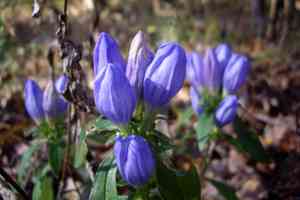
The visual charm of Harvestbells stems from its striking bell-shaped blossoms that appear in captivating shades of blue and purple. These flowers not only introduce a burst of color to your garden but also draw in pollinators like bees and butterflies, fostering a lively and dynamic outdoor space. Furthermore, their lush green foliage offers an appealing contrast against the vibrant flowers, enhancing the garden's overall aesthetic.
Why Select Harvestbells for Your Garden?
Ease of care and adaptability
Harvestbells is highly valued for its minimal maintenance requirements, making it an ideal option for both new and experienced gardeners. This robust plant thrives in various soil types and can withstand different weather conditions, needing little watering and care once established. Its adaptability means you can plant Harvestbells in diverse areas of your garden without excessive concern for soil pH or light conditions.
Year-round visual interest
One of Harvestbells' prominent features is its capacity to provide visual appeal throughout the entire year. Even when not in bloom, its foliage remains vibrant and green, ensuring your garden never appears barren or uninviting. During flowering seasons, the vivid blossoms become the focal point, creating accents and adding color and texture to your landscape.
Compatibility with other garden flora
Harvestbells is exceptionally versatile and pairs well with a wide array of other plants, enabling you to create harmonious and visually pleasing garden designs. Whether combined with other perennials, shrubs, or groundcovers, Harvestbells integrates seamlessly, enhancing the overall aesthetic coherence of your garden. This compatibility grants you the creative freedom to experiment with various planting arrangements and designs.
Integrating Harvestbells into Your Landscape Design
Selecting the optimal location for Harvestbells
To maximize the benefits of Harvestbells, it's essential to plant them in the correct spot within your garden. Ideal locations include areas with partial to full sun and well-drained soil. Consider planting Harvestbells along pathways or borders, where their blooms can be admired closely, or in garden beds mixed with other perennials for a more naturalistic appearance. Their adaptability also allows them to flourish in both shaded and sunny areas.
Ideas for companion planting with Harvestbells
Companion planting with Harvestbells can produce stunning visual effects and benefit the plants' overall health. Consider pairing Harvestbells with complementary plants like ferns, hostas, and woodland phlox, which share similar growing needs and enhance each other's visual appeal. The combination of textures and colors from different plants creates a more dynamic and engaging garden design.
Creating focal points using Harvestbells
Utilizing Harvestbells to establish focal points in your garden can elevate your landscape design. Plant clusters of Harvestbells in strategic positions to draw the eye and create areas of interest. Whether in a formal garden layout or a more relaxed, naturalistic design, their vibrant blooms and lush foliage ensure they stand out, providing attractive features that captivate and engage visitors.
Seasonal Considerations for Harvestbells
Optimal seasons for planting Harvestbells
The best time for planting Harvestbells is during the cooler months of spring or autumn. Planting during these seasons helps Harvestbells establish robust roots before the summer heat or winter cold arrives. Avoid planting during extreme weather conditions to ensure the plant has the best chance to thrive and adapt to its new environment.
Harvestbells' seasonal growth patterns
Understanding the growth patterns of Harvestbells can help you better plan your garden activities. Typically, Harvestbells exhibits vigorous growth in the spring, reaching full bloom by late summer to early autumn. After the flowering season, the foliage remains vibrant and green, maintaining the garden's visual appeal through fall and early winter. Knowing these patterns allows you to schedule maintenance tasks like pruning and fertilizing at the most advantageous times.
Long-term Advantages of Harvestbells in Your Garden
Boosting biodiversity with Harvestbells
Including Harvestbells in your garden can significantly enhance local biodiversity. Its flowers attract various pollinators, such as bees and butterflies, which play a vital role in pollinating other plants in your garden. This interaction fosters a healthier ecosystem and promotes the proliferation of a wider range of plant and animal species.
Contribution to a sustainable garden ecosystem
Harvestbells contributes to a more sustainable garden ecosystem by supporting pollinators and requiring minimal upkeep. This reduces the need for chemical fertilizers and pesticides, promoting a more eco-friendly gardening approach. Additionally, its robust nature minimizes the need for frequent replanting, conserving resources and reducing waste.



