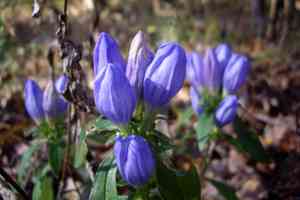
Harvestbells (Gentiana saponaria)
Also known as: Soapwort gentian
Harvestbells, with their unique bell-shaped blooms, offer significant ornamental value, making them a favored choice for gardens. Additionally, their flowers are excellent for attracting beneficial pollinators such as bees and butterflies, as well as various bird species.
In This Article
Attributes of Harvestbells
Lifespan
Perennial
Plant Type
Herb
Plant Height
30 cm to 61 cm
Spread
30 cm to 45 cm
Leaf Color
Deep green
Flower Size
2.5 cm to 5 cm
Flower Color
Blue Purple
Images of Harvestbells
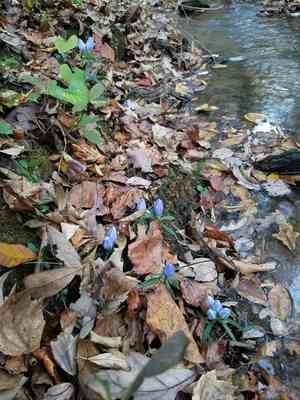
Quickly Identify Harvestbells
1
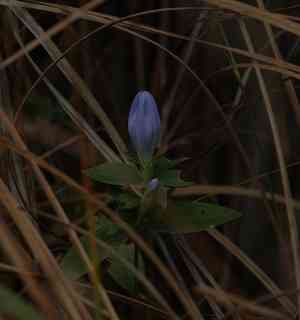
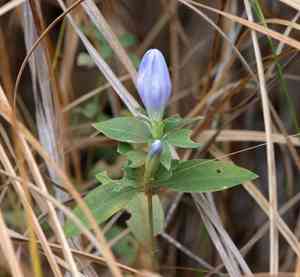
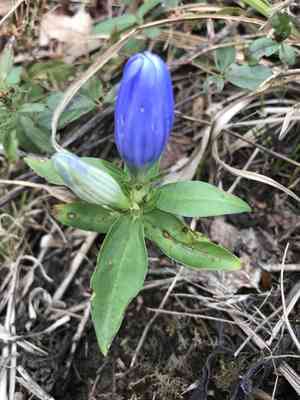
Tubular flowers, 1.5 inches (3.8 cm) long, with blue to lilac color and streaks of purple, green, or white.
2
Stemless shiny green leaves, up to 3.5 inches (8.9 cm) long, with sleek elongated shape and distinctive vein pattern.
3
Light green or reddish stem, thin (0.1 to 0.2 inches / 2.5 to 5 mm), smooth texture with minimal branching.
4
Dry dehiscent capsule fruit splitting into two sections, releasing small seeds for wind or water dispersal.
Scientific Classification of Harvestbells
Phylum
Vascular plants
Class
Dicotyledons
Order
Gentianales
Family
Gentian
Genus
Gentian
Species
Harvestbells
Planting and Growing of Harvestbells
Care Difficulty
Easy
Watering Schedule
Every 3 days
Sunlight Requirements
Partial sun
Sunshine Duration
4-8 hours
Ideal Temperature
60-75℉
Soil Type
Potting Mix, Peat Mix
Soil pH
6.5-7.5
Fertilizer Type
Balanced
Pruning Season
Spring, Summer
Pruning Area
Branches, Leaves
Pruning Frequency
2 times a year
Repotting Season
Spring
Pot Type
Plastic, Ceramic
 How to Water Harvestbells?
Gentiana saponaria prefers consistently moist soil without being waterlogged. Water it with about 250 ml of water, aiming to keep the soil evenly damp. Ensure excess water is able to drain freely to prevent root rot.
What are the symptoms of an underwatered Harvestbells?
›
What should I do if my Harvestbells is not getting enough water?
›
What are the symptoms of an overwatered Harvestbells?
›
How to save an overwatered Harvestbells?
›
 What Are the Sunlight Requirements for Harvestbells?
Gentiana saponaria flourishes in partial sun, ideally with four to six hours of sunlight daily. This setting energizes the plant sufficiently, ensuring robust stems, vibrant leaf color, and a healthy flowering cycle.
More About Sunlight Requirements Techniques→
How much sunlight does Gentiana saponaria need?
›
What are the solutions for achieving optimal light conditions?
›
What are the benefits of Gentiana saponaria receiving ideal light?
›
 What Is the Ideal Temperature Range for Harvestbells?
Gentiana saponaria thrives best between 60 and 75 degrees Fahrenheit. This temperature range provides optimal growing conditions by ensuring the plant can photosynthesize efficiently and maintain healthy cellular function. Staying within this range minimizes stress and encourages robust flowering.
 What Soil is Best for Harvestbells?
Gentiana saponaria thrives in well-drained soil. This requirement ensures that the roots receive ample oxygen and helps prevent root rot, contributing to the overall health and growth of the plant. A soil with moderate fertility is ideal for Gentiana saponaria. It provides the necessary nutrients without overwhelming the plant, supporting balanced growth and vibrant blooms. The soil must maintain consistent moisture levels. This helps the plant avoid stress and dehydration, ensuring lush foliage and prolonged flowering periods.
 How to Fertilize Harvestbells?
For Gentiana saponaria, the recommended fertilizer amount is crucial for promoting optimal growth. This plant benefits from a well-balanced, water-soluble fertilizer applied at half the standard strength. Avoid over-fertilizing since it could lead to excessive foliage growth with fewer flowers. Ensuring a diluted fertilizer solution provides sufficient nutrients without overwhelming the plant is key to success.
 How to Prune Harvestbells?
Begin by inspecting the plant thoroughly to identify any dead or damaged stems. Trim these away at their base, working to maintain a natural shape. Remove any crossing branches to prevent rubbing injuries. After flowering, gently deadhead spent blooms to encourage further flowering and maintain neatness. Gentiana saponaria has a milky sap that can irritate the skin. Always wear gloves and protective clothing when pruning to avoid direct contact. If sap does come into contact with skin, wash it immediately with soap and water.
More About Pruning Techniques→
 How to Propagate Harvestbells plant?
1
Harvest seeds in the autumn once they have matured and dried on the plant. Clean them thoroughly by removing any pulp or debris, and store them in a cool, dry place until planting.
2
Select healthy, non-flowering stems in late spring. Use sharp shears to take 4-6 inch cuttings, ensuring that each has several sets of leaves. Remove the lower leaves to expose nodes for rooting.
3
In early spring, dig up the plant clump and carefully separate the roots. Ensure each division has both roots and shoots. Replant divisions immediately to reduce stress and encourage establishment.
 How to Repot Harvestbells plant?
1
Repot Gentiana saponaria when you observe stunted growth or roots protruding from the drainage holes. These signs indicate that the plant has outgrown its current pot, requiring more space to thrive. Ideal repotting signals also include when the soil seems compacted or dries out more quickly.
2
Select a pot that is one size larger than the current one to give room for root expansion. Ensure it has sufficient drainage holes to prevent waterlogging, which can be detrimental to its roots. This prevents root rot and encourages healthy growth by maintaining an optimal balance of moisture in the soil.
3
Opt for a soil mix that is well-draining and slightly acidic to replicate its natural habitat. Incorporating components like peat moss and perlite can achieve the needed texture and pH level, promoting Gentiana saponaria's overall vitality and vibrant blooms.
Learn More About Harvestbells Diseases
Anthracnose
Bacterial Leaf Spot
Bacterial Soft Rot
Bacterial Wilt
Crown Gall
Cyst Nematode
Damping-off
Downy Mildew
Drought Stress
Fusarium Wilt
Gray Mold
Leaf Spot
Mosaic
Nutrient Deficiency
Nutrient Toxicity
Powdery Mildew
Root Rot
Root-knot Nematode
Rusts
Sooty Mold
Spider Mites
Temperature Stress
Thrips Damage
White Mold



