How to Prune Harvestbells?
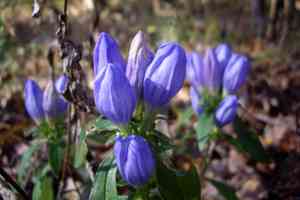
Harvestbells, a perennial recognized for its striking, trumpet-shaped blooms and therapeutic qualities, flourishes with infrequent trimming. To stimulate robust development and abundant flowering, consistently remove faded flowers. After the autumn flowering period, snip off any withered or compromised stalks to preserve a dense form and foster vibrant leaves. The most effective time for pruning is following the bloom in late summer to early autumn. Trimming harvestbells improves its aesthetic appeal and encourages the subsequent season's growth, but refrain from extensive cutting to avert plant strain.
What Are the Benefits of Pruning Harvestbells?
What Are the Benefits of Pruning Harvestbells?
Trimming harvestbells promotes abundant blossoms, maintains a compact shape, and stimulates robust development, enabling the plant to direct energy into producing vivid flowers and preserving its attractive form.
What Is the Best Time for Pruning Harvestbells?
What Is the Best Time for Pruning Harvestbells?
Pruning in late spring allows harvestbells to recover quickly during its active growth phase, while avoiding peak growth and blooming periods. This ensures the plant maintains optimal health and aesthetic form without interrupting its development cycle. Early fall pruning, post-flowering, directs the plant's energy towards root and shoot development, preparing it for the next growing season while mitigating the risk of frost damage to new cuts.
What Tools Do I Need to Prune Harvestbells?
Hand Pruners
These are ideal for cutting through the smaller stems of harvestbells, as they offer precise cuts without causing damage to the plant's delicate structure.
Pruning Snips
Suitable for deadheading or cutting back spent blooms on harvestbells to promote new growth or maintain plant appearance.
Gloves
To protect hands from cuts and scratches while pruning harvestbells, ensuring safety during the process.
Pruning Saw
This tool may be needed for older, woodier specimens of harvestbells if they have developed thicker stems that hand pruners cannot easily cut.
How to Prune Harvestbells
Identify Affected Parts
Locate diseased leaves, withered leaves, and withered flowers on harvestbells.
Disinfect Tools
Before starting, disinfect pruning tools to prevent the spread of disease to healthy parts of harvestbells.
Prune Diseased Withered Leaves
Carefully remove diseased and withered leaves by cutting at the base of the leaf stem, ensuring not to harm nearby healthy foliage of harvestbells.
Remove Withered Flowers
Snip off withered flowers of harvestbells at their base to encourage growth and potentially extend the blooming period.
Cleanup
Dispose of all removed parts properly to avoid the spread of disease and clean the tool again after finishing with harvestbells.
Common Pruning Mistakes with Harvestbells
Over-Pruning
Cutting back too much of harvestbells can shock the plant, diminish its energy reserves, and reduce its flowering potential.
Improper Tool Use
Using dull or dirty pruning tools can cause unnecessary harm to harvestbells, leading to jagged cuts that make the plant vulnerable to diseases.
Random Cuts
Making random or uninformed cuts without understanding the growth pattern of harvestbells can create an unbalanced shape and affect the plant's overall health.
Removing New Growth
Mistakenly pruning new shoots can limit harvestbells's ability to flower, as flowers may form on the current or previous year's growth.
Ignoring Dead Material
Failing to remove dead or dying foliage and stems can inhibit new growth and pose a risk of disease and pest infestation for harvestbells.
Common Pruning Tips for Harvestbells
Clean Cuts
Make sure to use sharp, clean pruning shears to create clean cuts that help harvestbells heal faster and reduce the risk of disease.
Strategic Pruning
Target older, nonproductive stems for pruning to encourage harvestbells to direct its energy towards vigorous growth and ample flowering.
Preservation Of Buds
Avoid cutting near areas where buds are forming to ensure harvestbells can produce its characteristic flowers without interruption.
Deadheading
Regularly remove spent flowers of harvestbells to potentially enhance further blooming and divert the plant's energy to new growth.
Sanitation
After pruning harvestbells, clear away the clippings and debris to maintain good plant hygiene and deter pests and diseases.



