How Much Sunlight Do Cotton grass Need?
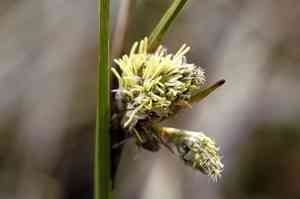
1
Cotton grass flourishes with ample sunlight, requiring a minimum of 6 hours of direct sun each day.
2
Excessive sun exposure may result in leaf scorching, causing foliage to turn brown and brittle.
3
While partial sun or filtered light is acceptable, peak development occurs in full sun conditions.
Ideal Light Conditions for Cotton grass
Preferred Light Exposure
For peak development, Cotton grass flourishes when exposed to direct sunlight. This means at least six hours of unfiltered sun daily. While it can endure partial sun, the plant truly thrives with more light. This native wetland species derives its energy from the sun, enabling it to maintain its distinctive fluffy appearance.
Indicators of Sufficient Light
Vigorous and healthy Cotton grass clearly shows it's receiving proper light. Look for strong, green foliage and an abundance of the characteristic cotton-like tufts. If the plant displays robust growth and consistently produces its renowned fluffy seed heads, it signals optimal sun exposure.
Consequences of Excessive Sun Exposure for Cotton grass
Symptoms of Sunburn
Too much sunlight can scorch Cotton grass, leading to sunburn. Watch for brown, crispy leaf edges and discolored areas. These signs indicate the plant is getting more sun than it can handle, potentially causing damage.
Alleviating Sun Damage
If you observe sunburn symptoms, it's crucial to lessen the harm. Begin by providing some shade during the day's hottest hours, typically from 10 AM to 4 PM. Using structures like shade cloths can help diffuse intense sunlight and safeguard the plant's delicate leaves.
Consequences of Insufficient Sun Exposure for Cotton grass
Symptoms of Inadequate Light
When Cotton grass lacks sufficient sunlight, it displays clear signs of distress. You might notice stunted growth, pale or yellowing leaves, and an absence of the characteristic fluffy seed heads. These symptoms suggest the plant isn't photosynthesizing effectively due to insufficient light exposure.
Improving Light Conditions
To correct insufficient sunlight, consider moving the plant to a brighter location in your garden. If it's in a pot, this is relatively simple. For Cotton grass planted in the ground, you may need to trim back nearby vegetation that casts shade or contemplate relocating the plant to a more suitable spot.
Best Practices for Managing Cotton grass Sunlight
Seasonal Adjustments
Throughout the year, sunlight intensity and duration vary. In summer, ensure Cotton grass is protected from particularly harsh midday sun by using temporary shading solutions. During colder months, removing any light obstructions can help the plant absorb as much sun as possible.
Utilizing Shade Cloths and Reflectors
Shade cloths can be transformative in managing sunlight for Cotton grass. By filtering sunlight, these cloths prevent burning while still allowing the plant to receive ample light. Reflectors, strategically placed, can also help by directing light onto the plant, maximizing its exposure during periods of limited light.



