How to Propagate Cotton grass?
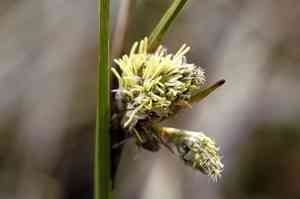
Eriophorum flourishes most effectively when multiplied via separation, preferably during its initial developmental phases. To achieve successful cultivation, meticulously divide the rhizomes to prevent harm, making certain that each segment possesses sufficient root structure. Position these divisions in damp, acidic substrates that mimic their native marshy environments, providing adequate room for expansion. This approach significantly boosts the cotton grass's chances of survival compared to alternative propagation methods.
When Is the Optimal Time to Propagate Cotton Grass?
Propagation Method
Cutting
Propagation Period
Spring,Summer
What Implements Are Utilized in Cotton Grass Propagation?
Sharp Pruning Shears
These are vital for obtaining clean and precise cuttings from cotton grass. Sharp blades ensure a neat cut without harming plant tissues, which is essential for successful rooting and new plant growth. Proper cuts enhance survival rates and minimize disease risk from ragged edges.
Rooting Hormone Powder
This product encourages root development in plant cuttings, which is crucial for cotton grass. Applying rooting hormone to the cut end significantly boosts the likelihood of successful root formation. This is especially important for cotton grass to ensure new roots are robust enough to support the plant as it matures.
Sterile Potting Mix
A sterile potting mix offers a clean, controlled setting for cotton grass cuttings to root. It's free from disease-causing agents and pests that could harm delicate new growth. The mix should be light and well-draining to meet cotton grass's specific moisture needs, promoting optimal root development without rot risk.
Propagation Tray
These trays are used to hold cotton grass cuttings in a stable environment. Features like humidity domes can be added to regulate moisture levels, creating an ideal microclimate for root development. This tool is important for organizing cuttings and ensuring they have necessary conditions for successful propagation.
Misting Bottle
A misting bottle is used to gently provide moisture to cotton grass cuttings without disturbing newly forming roots. Regular misting helps maintain humidity around the plant, which is essential for encouraging root growth and preventing cuttings from drying out.
How to Propagate Cotton Grass?
Propagation Difficulty
Easy
How to Care for Your Newly Propagated Cotton Grass?
How to Care for Your Newly Propagated Cotton Grass?
Post-germination, transfer cotton grass seedlings into individual pots with similar peaty, well-draining soil. Keep the soil consistently moist and provide partial sun exposure. As cotton grass naturally thrives in wet, cold environments, maintaining a cool setting and preventing complete soil dryness is vital for its growth. Gradually acclimatize young plants to outdoor conditions before planting them in their permanent spots, ideally in a wetland or bog garden to mimic their natural habitat.
Common Errors to Avoid When Propagating Cotton Grass
Overwatering
Excessive watering of cotton grass can lead to root rot, as this species prefers moist but not waterlogged conditions. Too much water displaces air in the soil, reducing oxygen availability to roots, which can result in plant demise.
Using incorrect soil type
Cotton grass naturally grows in boggy, acidic conditions. Using a soil mix that is too dense or alkaline can hinder root growth, potentially stunting the plant or leading to poor health.
Ignoring light requirements
Cotton grass needs ample sunlight to flourish, though it can tolerate some shade. Providing insufficient light or exposing cotton grass to harsh, direct sun can result in weak growth and diminish the plant's vitality.
Advice For Propagating Cotton Grass
Use appropriate soil mix
For cotton grass, employing a soil mix that imitates its natural boggy habitat, such as a blend rich in peat moss and sand, will support healthy root development and enhance growth.
Maintain adequate moisture
Since cotton grass thrives in moist conditions, keeping the soil consistently moist is crucial. However, ensure proper drainage to prevent waterlogging, balancing moisture levels to avoid root diseases.
Propagate in cool conditions
Even though specific seasonal instructions are excluded, maintaining cool ambient conditions during the propagation process can mimic cotton grass's natural growing environment, contributing to higher success rates.



