The Cotton grass Plant Advantage: Maximizing Home and Office Appeal and Wellness
1
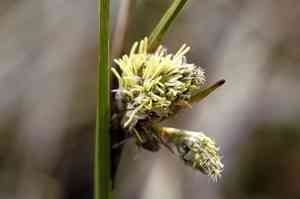
Eriophorum species originate from marshy regions and contribute to ecosystem stability.
2
This flora functions as a natural water clarifier, enhancing water purity.
3
Cotton grass fibers have historically served for fabrics and thermal insulation because of their distinct fibrous properties.
Why is Cotton grass Environmentally Important?
Natural Habitat and Growth
Cotton grass naturally inhabits damp, marshy areas where it plays a vital role in supporting wetland ecosystems. It flourishes in these environments by adapting to waterlogged soils, which helps prevent soil erosion and maintains stable habitats for various plant and animal species.
Contribution to Water Quality
Cotton grass functions as a natural water purifier. Its dense root systems capture sediments and pollutants, effectively filtering the water where it grows. This process lowers contaminant levels and improves overall water quality, benefiting surrounding ecosystems and contributing to cleaner water sources.
How Does Cotton grass Benefit Agriculture?
Soil Improvement
In farming, Cotton grass can improve soil due to its ability to thrive in low-nutrient conditions. Its presence can boost soil fertility over time, making it a valuable addition to crop rotation systems, especially in wetland-adjacent fields where traditional crops might struggle.
Natural Pest Control
Furthermore, Cotton grass can assist in natural pest management. By providing a home for beneficial insects and other wildlife, it helps create a balanced ecosystem that naturally controls pest populations, reducing the need for chemical pesticides.
What Are the Traditional Uses of Cotton grass?
Textiles and Insulation
Historically, Cotton grass was used for its fibrous qualities. The plant's soft, cotton-like tufts were used in traditional textiles, providing lightweight and efficient insulation material. This use highlights the plant's versatility and importance in ancient crafting techniques.
Cultural Significance
The cultural importance of Cotton grass goes beyond its practical uses. In various cultures, the plant has been incorporated into folklore and rituals, symbolizing different aspects of life and the environment. Its resilience and adaptability have made it a symbol of endurance and natural harmony.
Can Cotton grass Be Used in Modern Sustainable Practices?
Eco-friendly Products
Modern sustainable practices increasingly recognize Cotton grass for its potential in developing environmentally friendly products. From biodegradable packaging to natural insulation materials, the plant's renewable and sustainable properties position it as a key resource in the move towards greener solutions.
Conservation Efforts
Additionally, Cotton grass plays a significant role in conservation efforts. It can be used in wetland restoration projects to rehabilitate degraded environments, offering a natural and effective solution to ecological imbalance. By planting Cotton grass, conservationists can work towards rebuilding natural habitats and preserving biodiversity.



