How to Prune Cotton grass?
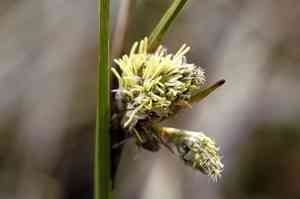
Eriophorum, recognized by its clustered formations and fluffy inflorescences, needs very little trimming. In spring, snip off any withered or compromised leaves to foster robust development. During summer, sever faded flower stalks to achieve a tidier look. Should it be required, eliminate aged growth in autumn, yet retain some for visual appeal during colder months. Strategic cutting boosts the plant's vitality and can deter unwanted self-propagation. Employ keen implements to prevent harm to the fragile stalks.
What Are the Benefits of Pruning Cotton Grass?
What Are the Benefits of Pruning Cotton Grass?
Trimming cotton grass promotes robust development, encouraging strong new shoots. Regular cutting helps preserve the plant's shape, enhancing its inherent beauty and garden appeal.
What Is the Best Time for Pruning Cotton Grass?
What Is the Best Time for Pruning Cotton Grass?
Cutting back cotton grass from late spring to early summer coincides with its post-flowering phase. During this period, the plant has typically completed its annual bloom, making it easier to identify and remove dead or faded flower stalks without affecting pollination or aesthetic value. Pruning after flowering allows cotton grass to reallocate energy to root and foliage growth, boosting overall health and vigor. Furthermore, this timing avoids disrupting the plant's growth cycle, which starts in spring and peaks in summer, ensuring proper recovery before the onset of fall and winter dormancy.
What Tools Do I Need to Prune Cotton Grass?
Hand Pruners
Cotton grass typically has soft foliage and is not a woody plant, requiring only minor trimming to maintain health or remove dead leaves. A sharp pair of hand pruners or secateurs is ideal for these simple tasks due to their precision and ease of use.
Scissors
For more delicate tasks or for trimming smaller, softer parts of cotton grass, sharp scissors can be employed. Scissors offer the control needed for minimal, precise cuts without harming the plant's fragile structure.
Gloves
When handling cotton grass, wearing gloves is advisable to protect your hands. Although cotton grass is not known to be particularly harmful, gloves prevent potential irritation and provide a better grip on tools.
How to Prune Cotton Grass
Identify
Locate and pinpoint any diseased, withered leaves, dead branches, and unhealthy branches on cotton grass.
Sanitize
Before trimming cotton grass, clean and disinfect your pruning tools to prevent the spread of diseases.
Remove diseased leaves
Carefully take off diseased and withered leaves from cotton grass by cutting at the base of the leaf stem, using sharp scissors or hand pruners.
Trim dead branches
Cut dead and diseased branches on cotton grass back to their base or to healthy tissue, ensuring cuts are clean and angled slightly to prevent water accumulation.
Dispose
Discard all removed material far from cotton grass to prevent reinfection or the spread of decay to healthy plant parts.
Common Pruning Mistakes with Cotton Grass
Overpruning
Cutting back cotton grass excessively can hinder its growth. This plant thrives with minimal pruning, so removing too much foliage or too many stems can stress it and reduce its vigor.
Incorrect tool use
Using dull or dirty tools can damage cotton grass by creating jagged cuts prone to disease. Clean, sharp tools are crucial for making precise cuts and minimizing harm.
Pruning live flowers
Removing live flowers can significantly diminish the ornamental value of cotton grass. Only prune spent flower stalks to maintain the plant's appearance and encourage healthy growth.
Neglecting deadheads
Failing to deadhead, or remove spent seed heads, may lead to unwanted self-sowing and potentially weaken the parent plant as it expends energy on seed production.
Ignoring plant structure
Pruning without understanding the natural form of cotton grass can result in an unnatural look and damage the plant's overall structure.
Common Pruning Tips for Cotton Grass
Minimal pruning approach
Since cotton grass requires little pruning, focus on removing only dead or damaged foliage to maintain the plant's health and natural shape.
Sharp clean tools
Always use sharp, clean pruning shears to make precise cuts, which will help prevent disease and avoid unnecessary damage to cotton grass.
Post bloom pruning
Once the blooms have faded, trim the spent flower stalks down to the base to encourage new growth and prevent self-sowing if not desired.
Shape maintenance
While shaping cotton grass is typically unnecessary, if shaping is required, do so sparingly and with attention to maintaining the plant's natural form.
Gentle hands
Use a gentle touch when pruning cotton grass, as their stems and leaves can be delicate. Avoid pulling or tearing at the plant material.



