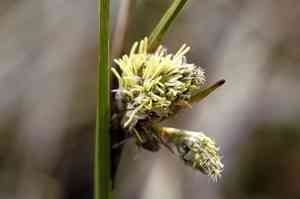
Cotton grass (Eriophorum angustifolium)
Also known as: Common cottonsedge, Bog-cotton, Narrowleaf cotton-grass
Cotton Grass (*Eriophorum angustifolium*) is a perennial plant that reaches heights of 20 to 102 cm. It produces small brown and green flowers from spring through summer, which later turn into distinctive white, cotton-like seed heads. Historically, it has been utilized in Europe as a cotton alternative for producing paper and textiles. This plant is typically found in boggy and wetland areas.
In This Article
Attributes of Cotton grass
Lifespan
Perennial
Plant Type
Herb
Plant Height
20 cm to 1.02 m
Spread
1.5 m
Leaf Color
Green
Flower Size
2.5 cm to 8 cm
Flower Color
White Brown
Images of Cotton grass
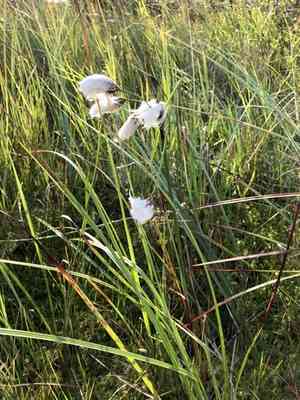
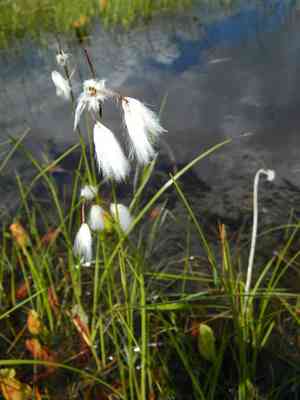
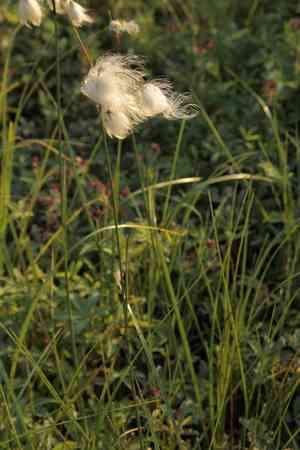
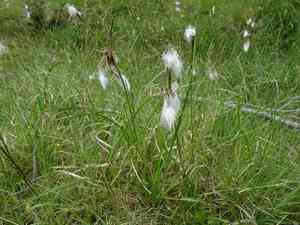
Quickly Identify Cotton grass
1
Distinct cotton-tufted flower spikes
2
Fluffy white seed heads resembling tufts of wool
3
Triangular stems reaching up to 3 feet (90 cm) tall
4
Flat, triangular cross-section leaves up to 16 inches (40 cm) long
5
Small, brown 3-sided seeds less than 1/10th inch (2.5 mm) long
Scientific Classification of Cotton grass
Phylum
Vascular plants
Class
Monocotyledons
Order
Poales
Family
Sedge
Genus
Cotton-grass
Species
Cotton grass
Planting and Growing of Cotton grass
Care Difficulty
Hard
Watering Schedule
Every 6 days
Sunlight Requirements
Full sun
Sunshine Duration
6-10 hours
Ideal Temperature
50-68℉
Soil Type
Potting Mix, Peat Mix
Soil pH
3.5-6
Fertilizer Type
Balanced
Pruning Season
Spring, Summer
Pruning Area
Branches, Leaves
Pruning Frequency
2 times a year
Repotting Season
Spring
Pot Type
Plastic, Terracotta
 How to Water Cotton grass?
Cotton grass thrives in consistently moist soil, reflecting its natural habitat of bogs and wetlands. Ensure that the soil is thoroughly saturated, aiming for around 500 milliliters of water per session, ensuring the soil does not dry out.
What are the symptoms of an underwatered Cotton grass?
›
What should I do if my Cotton grass is not getting enough water?
›
What are the symptoms of an overwatered Cotton grass?
›
How to save an overwatered Cotton grass?
›
 What Are the Sunlight Requirements for Cotton grass?
Eriophorum angustifolium prefers partial to full sun, thriving best under these conditions. Adequate light enhances photosynthesis, ensuring lush growth, resilient foliage, and optimal blooming potential.
More About Sunlight Requirements Techniques→
How much light does Eriophorum angustifolium need daily?
›
What is the ideal placement for Eriophorum angustifolium?
›
Why is proper lighting important for Eriophorum angustifolium?
›
 What Is the Ideal Temperature Range for Cotton grass?
The ideal temperature range for Eriophorum angustifolium is between 50°F and 68°F. This range provides optimal conditions for photosynthesis and growth, ensuring the plant thrives. Within this range, the plant has access to adequate moisture and nutrient uptake, resulting in healthy development.
 What Soil is Best for Cotton grass?
Eriophorum angustifolium thrives in soils rich in organic matter. This high organic content helps maintain moisture and provides essential nutrients, crucial for the plant's lush growth and resilience in its native bog environments. This plant requires soils that retain moisture well, as it is naturally found in bogs and wet meadows. Proper moisture retention ensures continuous hydration, essential for its growth and blooming performance. Eriophorum angustifolium is accustomed to environments with low nutrients. Its adaptation to such conditions makes it less reliant on fertilization, making it ideal for minimal maintenance in suitable soil types.
 How to Fertilize Cotton grass?
For Eriophorum angustifolium, it's crucial to apply a balanced fertilizer sparingly. Using a 10-10-10 NPK ratio can be beneficial. Ensure that when applying liquid fertilizer, you dilute it to half strength, using approximately 1 tablespoon per gallon of water. This balance will help maintain healthy growth without overloading the plant with nutrients.
 How to Prune Cotton grass?
Begin by removing any old, dead, or diseased stems at the base of the plant. This not only revitalizes the plant but also improves air circulation around the remaining stems. Eriophorum angustifolium, known for its wispy stems, should be trimmed back to control its size and encourage fuller growth. Clip these back to a height that fits your garden design.
More About Pruning Techniques→
 How to Propagate Cotton grass plant?
1
Collect seeds from mature seed heads of Eriophorum angustifolium once they turn brown and start to split. Ensure seeds are dry before storage to prevent molding.
2
Sow the collected seeds thinly on the surface of a seed tray filled with a well-draining seed starting mix. Lightly press seeds into the soil but do not bury them, as they require light for germination.
3
In early spring, dig up and divide established clumps of Eriophorum angustifolium using a spade. Separate the clumps into smaller sections, ensuring each has sufficient roots and shoots for successful re-establishment.
 How to Repot Cotton grass plant?
1
Eriophorum angustifolium should be repotted when the roots start peeking out of the bottom drainage holes. This is a sign that the plant has outgrown its current pot. Spring or autumn is ideal because the plant is less stressed and can recover quickly.
2
Opt for a pot that is one size larger than the current one, ensuring it has ample drainage holes to prevent root rot. The material should be terracotta or plastic, which helps maintain consistent moisture — an essential feature for Eriophorum angustifolium.
3
Use a moist peaty compost to replicate the plant's natural marshland habitat. This type of soil retains moisture well and provides the necessary acidity, promoting healthier growth and vibrant green foliage.



