How Much Sunlight Do Sulphurflower Buckwheat Need?
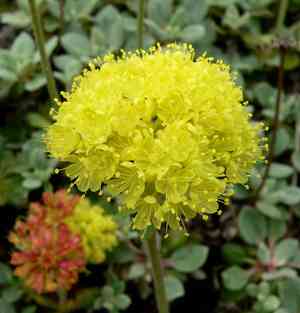
1
Eriogonum umbellatum var. aureum flourishes with direct sun exposure for a minimum of six hours daily.
2
While this species endures some shade, it achieves peak development in bright sunlight.
3
Modifying care routines seasonally, particularly in colder periods, supports its well-being and vigor.
Optimal Light Conditions for Sulphurflower Buckwheat
Full Sun Requirements
Sulphurflower Buckwheat thrives with a minimum of six hours of direct sunlight daily. This hardy plant originates from sun-drenched regions, making it ideal for gardens with extended sunny periods. Insufficient direct light may hinder its blooming and vibrant coloration.
Partial Shade Tolerance
Although Sulphurflower Buckwheat prefers full sun, it can endure partial shade. If your garden receives 4â6 hours of sunlight daily, this plant should still grow adequately. However, prolonged shade might diminish its overall vitality and flowering capacity.
Optimizing Sun Exposure for Sulphurflower Buckwheat
Choosing the Right Spot
To ensure your Sulphurflower Buckwheat receives maximum sun exposure, select a location free from tall obstructions or trees. South-facing garden areas typically offer the most sunlight throughout the day, making them perfect for this sun-loving plant. Elevated spots can also benefit the plant by providing more direct sun.
Sunlight Monitoring Advice
Observe the sunlight patterns in your garden to identify areas with consistent sun. Adjust as needed, moving your Sulphurflower Buckwheat to brighter locations during sunnier months. Small changes in placement can significantly impact your plant's health.
Can Sulphurflower Buckwheat Flourish Indoors?
Indoor Sunlight Simulation
Cultivating Sulphurflower Buckwheat indoors can be challenging due to its high light demands. To mimic natural sunlight, position the plant near a south-facing window for ample light all day. Ensure the window is clear of obstructions to maximize sun exposure.
Utilizing Grow Lights
If natural light is inadequate, supplement with grow lights. Full-spectrum grow lights replicate natural sunlight and provide necessary intensity. Place them close to the plant, keeping them on for 14â16 hours daily to simulate long daylight. A timer can help maintain a consistent light schedule.
Seasonal Impact on Sulphurflower Buckwheat's Light Needs
Summer Adjustments
During summer, days are longer, offering abundant sunlight. Monitor your Sulphurflower Buckwheat to prevent overexposure, especially in very hot climates. Provide some shade during peak afternoon hours if necessary, to avoid scorching.
Winter Sunlight Considerations
Winter brings shorter days and weaker sunlight. To compensate, place your plant in the brightest available spot. If your area has frequent cloudy days, consider using grow lights to maintain sufficient light levels. Rotate the plant regularly for even light distribution.
Common Sunlight Errors to Avoid with Sulphurflower Buckwheat
Overexposure Issues
While Sulphurflower Buckwheat thrives in sun, excessive exposure can be harmful. Overexposure can cause leaf burn and stress. Signs include browning edges and wilting. To prevent this, offer filtered light during the hottest parts of the day, especially in summer.
Underexposure Problems
Insufficient sunlight can impede Sulphurflower Buckwheat's growth, leading to weak stems and fewer blooms. Ensure your plant receives at least 6 hours of direct sunlight daily. If natural light is limited, consider using grow lights for supplementation.



