How to Prune Sulphurflower Buckwheat?
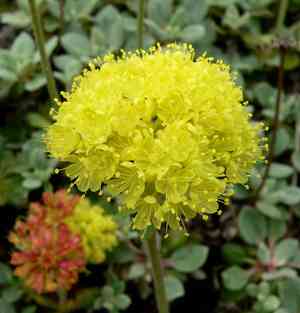
Recognized for its grouped yellow blossoms and resilience in arid environments, Eriogonum umbellatum flourishes with infrequent trimming. Essential methods involve removing faded flowers to stimulate additional blooming and gentle shaping to uphold a dense structure. The most effective time for pruning is late spring or early autumn to safeguard the present season's flowers and prepare for the subsequent year's development. Trimming boosts plant vitality and flower output, guaranteeing a vibrant presentation in appropriate xeriscapes.
What Are the Benefits of Pruning Sulphurflower Buckwheat?
What Are the Benefits of Pruning Sulphurflower Buckwheat?
Trimming sulphurflower Buckwheat promotes abundant flowering, revitalizes growth, and preserves a desirable shape, which is vital for the plant's optimal appearance and vigor.
What Is the Best Time for Pruning Sulphurflower Buckwheat?
What Is the Best Time for Pruning Sulphurflower Buckwheat?
Trimming sulphurflower Buckwheat in late spring allows for the removal of any winter-damaged branches and shaping of the plant before its active growth period. Late summer pruning, after the flowering cycle completes, helps remove spent blossoms and can stimulate a second bloom in certain varieties, while avoiding the removal of next year's growth, which can be the case with fall pruning.
What Tools Do I Need to Prune Sulphurflower Buckwheat?
Bypass Pruners
Perfect for making clean cuts on the green stems of sulphurflower Buckwheat, bypass pruners cause less damage to plant tissues, enhancing the plant's recovery and health.
Pruning Shears
These are suitable for shaping sulphurflower Buckwheat and trimming off any unwanted or dead stems. Their smaller size allows for precision in thinning the plant.
Garden Scissors
Perfect for snipping delicate flowers and thin stems of sulphurflower Buckwheat, garden scissors offer precision and control for light trimming.
How to Prune Sulphurflower Buckwheat
Remove diseased leaves
Inspect sulphurflower Buckwheat for any signs of diseased leaves. Carefully remove these leaves by snipping at the base of the leaf stem using sterilized pruning shears to prevent the spread of disease.
Trim withered leaves
Identify withered or dead leaves on sulphurflower Buckwheat. Gently trim these leaves close to the stem, ensuring to avoid damaging healthy adjacent foliage and stems.
Delete withered flower
Locate withered flowers on sulphurflower Buckwheat after bloom. Snip the spent flower heads to enhance the plant's appearance and to encourage new growth, cutting back to the nearest set of leaves.
Clean cutting tools
After pruning sulphurflower Buckwheat, clean and sterilize the cutting tools. This prevents the transmission of pathogens to other plants or the plant itself during future prunings.
Dispose of waste
Dispose of the removed diseased leaves, withered leaves, and flowers of sulphurflower Buckwheat in a responsible manner, ensuring they are not composted to avoid disease spread.
Common Pruning Mistakes with Sulphurflower Buckwheat
Overpruning
Cutting back sulphurflower Buckwheat too much at once can stress the plant and hinder its ability to flourish. Aim to remove no more than one-third of the total growth to maintain the plant's health.
Improper cut locations
Cutting in the wrong location can cause damage to sulphurflower Buckwheat. Make cuts just above leaf nodes and avoid cutting into woody, established stems unless removing dead or damaged growth.
Shearing
Using shearing techniques on sulphurflower Buckwheat can lead to a less natural appearance and potentially damage the plant's growth pattern. It's better to selectively prune branches to enhance the plant's natural form.
Frequent pruning
Pruning sulphurflower Buckwheat too frequently can prevent it from reaching its full potential and may reduce flowering as it requires time to recover and generate new growth.
Neglecting tool care
Using dull or dirty tools can create jagged cuts that are more prone to disease and pests. Always use sharp, clean pruning tools for clean cuts.
Common Pruning Tips for Sulphurflower Buckwheat
Selective pruning
Carefully select which branches to prune on sulphurflower Buckwheat to maintain its natural mound shape and encourage healthy growth. Remove only what's necessary, such as dead or damaged branches or to thin out dense areas.
Post bloom pruning
Prune sulphurflower Buckwheat shortly after blooming to shape the plant and encourage robust growth for the following season. This allows the plant to focus energy on root and foliage development.
Deadheading
Remove spent flower heads to promote additional blooming throughout the growing season. This will keep sulphurflower Buckwheat looking tidy and may extend the bloom period.
Plant health assessment
Before pruning sulphurflower Buckwheat, assess the overall health and identify any specific issues such as diseased or pest-infested branches, which should be targeted first during the pruning process.



